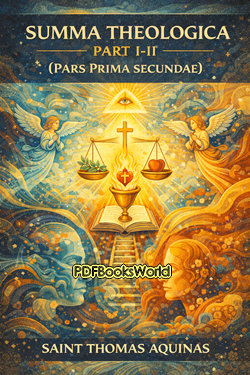
Summa Theologica, Part I-II (Pars Prima Secundae)
by Saint Thomas Aquinas
Human Action, Morality, and the Relationship Between Happiness and Divine Law
Summa Theologica, Part I-II (Pars Prima Secundae) by Saint Thomas Aquinas is the section of Aquinas’ monumental theological masterpiece devoted to human nature, ethics, morality, happiness, law, virtue, sin, and grace. Often called the First Part of the Second Part, this portion of the Summa Theologica examines how human beings act, choose, pursue good, and seek ultimate fulfillment within the framework of Christian theology and Aristotelian philosophy.
Aquinas presents moral theology as the study of humanity’s movement toward its highest purpose: union with God through virtuous living, rational action, and divine grace.
The Nature of Human Action and Free Will
The book explores how human beings think, choose, desire, and act. Aquinas examines the intellect, will, emotions, habits, and moral decision-making while explaining how reason guides human conduct.
He argues that people naturally seek happiness and goodness, though they may sometimes pursue false or incomplete forms of fulfillment through sin, selfishness, or ignorance.
Rather than viewing morality as arbitrary command alone, the work presents ethics as rooted in human nature, rationality, and the ordered structure of creation.
The volume reflects the medieval scholastic effort to unite Christian doctrine with classical philosophical reasoning, especially the ethical ideas of Aristotle.
Its tone combines philosophical precision with theological depth and systematic analysis.
Happiness and the Ultimate Human Good
A major theme throughout the book is that true happiness cannot be fully achieved through wealth, pleasure, honor, or worldly success alone.
Aquinas repeatedly explains that complete fulfillment exists only in the vision and enjoyment of God, who is the highest and perfect good.
The work also examines earthly happiness, virtue, friendship, contemplation, and moral discipline as important aspects of human flourishing.
This understanding of happiness became one of the foundational ideas of medieval Christian ethics.
Law, Virtue, and Moral Order
The book contains Aquinas’ influential discussions of eternal law, natural law, human law, and divine law. He explains that moral principles arise from the rational order established by God within creation.
Human beings, through reason, can recognize basic moral truths concerning justice, goodness, and proper conduct.
The work also explores virtues such as prudence, justice, temperance, and courage while examining the nature of vice, temptation, and sin.
This moral framework became enormously influential within Christian theology, legal philosophy, and Western ethics.
Theological and Philosophical Themes Explored Throughout the Book
- Human Action and Free Will: Aquinas examines reason, desire, choice, and moral responsibility.
- Happiness and the Highest Good: True fulfillment is presented as union with God and participation in divine goodness.
- Natural Law and Moral Order: Ethical principles arise from rational participation in God’s eternal law.
- Virtue and Moral Character: Habits of goodness shape the soul toward wisdom and righteousness.
- Sin, Grace, and Human Weakness: The work explores moral failure and the need for divine assistance.
The book stands among the foundational texts of Christian ethics and medieval philosophy.
The Harmony Between Reason, Morality, and Faith
One of the work’s strongest ideas is that morality is deeply connected to human rationality and the natural structure of existence.
Aquinas repeatedly demonstrates that ethical living involves aligning human desire and action with truth, reason, and divine purpose.
The book also reveals profound confidence in humanity’s ability to recognize moral principles through both philosophical inquiry and religious revelation.
This synthesis of theology and philosophy deeply shaped later ethical thought and Christian teaching.
Thomas Aquinas’ Scholastic Method of Inquiry
Summa Theologica, Part I-II demonstrates Thomas Aquinas’ extraordinary ability to organize complex theological and philosophical questions into systematic argument and careful logical structure.
The writing follows the scholastic method of presenting objections, responses, and conclusions while examining difficult moral and metaphysical issues with precision.
Aquinas consistently seeks intellectual clarity while addressing profound questions concerning human nature, happiness, and moral responsibility.
Why the Book Still Holds Philosophical and Religious Importance
Modern readers continue finding Summa Theologica, Part I-II important because it remains one of the greatest explorations of ethics, virtue, law, and human purpose within Western intellectual history.
The work also provides insight into medieval theology and the enduring effort to unite reason, morality, and faith within a coherent understanding of human life.
Its discussions of virtue, natural law, happiness, free will, and moral order continue influencing theology, philosophy, ethics, and legal theory today.
For readers interested in theology, ethics, medieval philosophy, Christianity, moral reasoning, scholasticism, and the history of ideas, this work remains intellectually monumental, spiritually influential, and philosophically enduring.
Similar Genres
About the Author
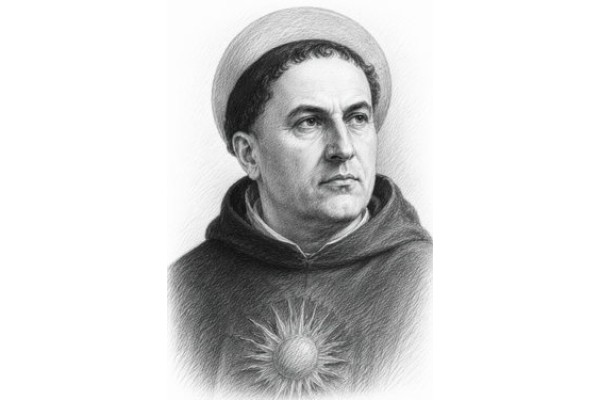
Saint Thomas Aquinas was an Italian Dominican friar, philosopher, theologian, and author whose writings became the foundation of medieval Scholastic philosophy and Christian theology. Born near Aquino in the Kingdom of Sicily around 1225, Aquinas devoted his life to reconciling faith with reason through rigorous philosophical inquiry and biblical scholarship. Explore Saint Thomas Aquinas books to discover the author's life, literary career, and access notable works, including Summa Theologica, Part II-II (Secunda Secundae) , and more.