
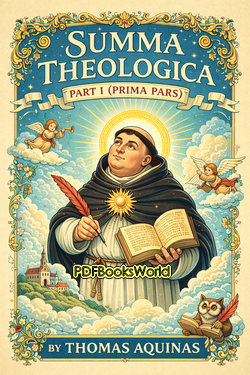
Summa Theologica, Part I (Prima Pars)
by Thomas Aquinas
God, Creation, and the Foundations of Christian Theology
Summa Theologica, Part I (Prima Pars) by Thomas Aquinas is one of the most influential theological and philosophical works in Christian intellectual history. The Prima Pars, or First Part, examines the nature of God, creation, angels, humanity, knowledge, and the structure of the universe within the framework of medieval Christian theology. Written during the thirteenth century, the work represents Aquinas’ attempt to organize religious truth into a systematic and rational structure grounded in scripture, philosophy, and logical analysis.
Aquinas presents theology as a disciplined science seeking understanding of divine truth through reason illuminated by faith.
The Nature and Existence of God
The opening sections of the Prima Pars focus upon the existence and attributes of God. Aquinas discusses divine simplicity, perfection, goodness, eternity, omnipotence, wisdom, and immutability while arguing that God is the ultimate source of all existence.
He famously develops logical arguments concerning the existence of God, often called the “Five Ways,” which attempt to demonstrate through reason that the universe depends upon a first cause and necessary being.
Rather than separating philosophy entirely from theology, the work demonstrates how reason and revelation may cooperate in the pursuit of truth.
The volume reflects the intellectual culture of medieval scholasticism, which sought harmony between Christian doctrine and classical philosophy, especially the works of Aristotle.
Its tone combines philosophical rigor with spiritual seriousness and theological depth.
Creation and the Structure of the Universe
A major theme throughout the book is that all creation reflects divine order and purpose.
Aquinas examines angels, celestial beings, material creation, human nature, and the soul while explaining how all levels of existence participate in a hierarchy established by God.
The work also explores the relationship between body and soul, intellect and will, knowledge and morality, emphasizing humanity’s unique role as rational creatures capable of knowing and loving God.
This systematic vision of reality became one of the defining achievements of medieval Christian philosophy.
Theological and Philosophical Topics Explored Throughout the Book
- The Existence and Nature of God: Aquinas explains divine attributes through philosophical and theological reasoning.
- Creation and Cosmic Order: The universe is presented as a purposeful system governed by divine wisdom.
- Angels and Spiritual Beings: The book examines the nature and role of purely spiritual intelligences.
- The Human Soul and Rationality: Humanity is described as possessing intellect, free will, and moral responsibility.
- Faith and Reason: Theology and philosophy are presented as complementary paths toward truth.
The work stands among the foundational texts of medieval scholastic philosophy and Christian theology.
The Harmony Between Reason and Revelation
One of the work’s strongest ideas is that truth discovered through reason cannot ultimately conflict with divine revelation because both originate from God.
Aquinas repeatedly demonstrates how logical analysis and philosophical inquiry may support theological understanding rather than threaten it.
The book also reveals a profound confidence in the intelligibility and orderliness of creation.
This synthesis of philosophy and faith deeply influenced later theology, ethics, metaphysics, and Western intellectual history.
Thomas Aquinas’ Scholastic Method
Summa Theologica, Part I demonstrates Thomas Aquinas’ extraordinary ability to organize complex theological and philosophical questions into systematic argument and logical discussion.
The writing follows the scholastic method of presenting objections, responses, and conclusions in carefully structured form.
Aquinas consistently seeks clarity, precision, and rational coherence while addressing profound spiritual and metaphysical questions.
Why the Book Still Holds Philosophical and Religious Importance
Modern readers continue finding Summa Theologica, Part I important because it remains one of the greatest attempts to unite philosophy, theology, and reason within a comprehensive vision of reality.
The work also provides insight into medieval intellectual life and the development of Christian doctrine during one of the most influential periods of Western philosophy.
Its discussions of God, existence, knowledge, soul, morality, and creation continue shaping theology, ethics, and philosophical debate today.
For readers interested in theology, medieval philosophy, Christianity, metaphysics, scholasticism, religious history, and the history of ideas, this work remains intellectually monumental, spiritually influential, and philosophically enduring.
Similar Genres
About the Author
Thomas Aquinas was an Italian philosopher, theologian, scholar, and one of the most influential thinkers in the history of Western intellectual tradition. His writings brought together Christian theology and classical philosophy, especially the ideas of Aristotle, creating a systematic framework that shaped religious, philosophical, and ethical thought for centuries. Explore Thomas Aquinas books to discover the author's life, literary career, and access notable works.