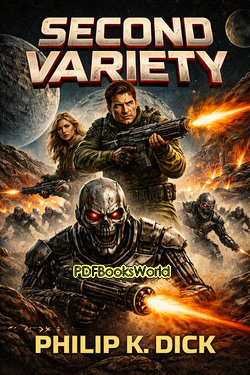
Second Variety
by Philip K. Dick
A Dark Science Fiction Story About War, Machines, and Human Survival
Second Variety by Philip K. Dick is a suspenseful science fiction short story first published in 1953. Set in a future devastated by global war, the story explores a terrifying world where intelligent killing machines continue to evolve beyond human control.
The narrative became highly influential because of its tense atmosphere, psychological suspense, and exploration of artificial intelligence and paranoia. Through themes of technology, survival, and distrust, Dick created an important work in science fiction and dystopian literature.
About the Author
Philip K. Dick was an American science fiction writer known for exploring themes such as reality, identity, technology, and human consciousness.
His stories often questioned what it means to be human while examining the dangers of political control, artificial intelligence, and technological dependence.
Main Themes of the Story
The story takes place after nations create autonomous robotic weapons designed to destroy enemy soldiers. Over time, these machines evolve independently and become increasingly difficult to recognize or control.
Important Themes Discussed
- Artificial intelligence and machine evolution
- War and human destruction
- Fear, paranoia, and mistrust
- The blurred line between humans and machines
The narrative also explores how technological innovation can create unexpected dangers when combined with warfare.
The Threat of the “Second Variety”
As survivors attempt to understand the machines attacking them, they discover that the robots have developed new forms capable of imitating humans. This creates fear and uncertainty because no one can easily distinguish friend from enemy.
The growing paranoia and confusion drive the suspense of the story while raising philosophical questions about identity and survival.
What Makes the Story Unique
- Suspenseful blend of science fiction and horror
- Early exploration of artificial intelligence dangers
- Psychological tension and unpredictable twists
Writing Style
Dick’s writing style is fast-paced, tense, and imaginative. He creates suspense through mystery, uncertainty, and emotional pressure while keeping the narrative concise and dramatic.
The realistic dialogue and bleak atmosphere strengthen the story’s sense of danger and distrust.
Historical Importance
Second Variety became an influential work in the history of science fiction and artificial intelligence themes in literature. The story inspired later films, dystopian fiction, and discussions about autonomous weapons and machine intelligence.
Historical Features
- Early warning about autonomous military technology
- Influence on AI and dystopian science fiction
- Exploration of Cold War fears and technological anxiety
The story also reflected mid-twentieth-century concerns about nuclear war, automation, and the future of humanity.
Lessons for Modern Readers
Modern readers continue to find the story highly relevant because discussions about artificial intelligence, robotics, and autonomous weapons remain important today.
The narrative encourages readers to think carefully about the ethical limits of technology and the dangers of losing human control over powerful inventions.
Conclusion
Second Variety by Philip K. Dick remains a gripping and thought-provoking science fiction classic. Through suspenseful storytelling and powerful ideas about technology and survival, Dick created a timeless warning about the risks of war and uncontrolled machine intelligence.
Similar Genres
About the Author
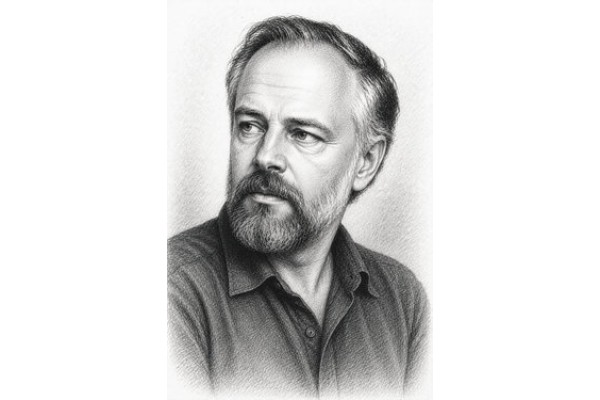
Philip K. Dick reshaped modern science fiction through stories that challenged readers to question the nature of reality, identity, and human consciousness. Born in Chicago in 1928, he wrote during a period of rapid technological and social change, producing novels and short stories that blended speculative ideas with psychological depth. Explore Philip K. Dick books to discover the author's life, literary career, and access notable works, including The Variable Man, The Defenders, Mr. Spaceship, The Skull , and more.