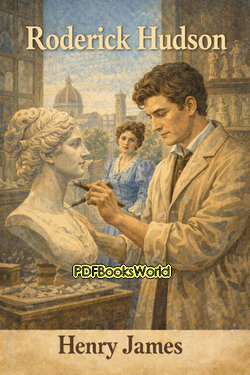
Roderick Hudson
by Henry James
Art, Ambition, and Emotional Struggle in Henry James’s Early Masterpiece
Roderick Hudson by Henry James is a rich and emotional novel about artistic genius, personal ambition, love, and self-destruction. As one of James’s earliest major novels, it explores the challenges faced by talented individuals trying to balance creativity, emotional desire, and social expectation.
Set largely in Europe, the story follows a gifted young sculptor whose artistic promise slowly becomes threatened by emotional instability and personal conflict. Henry James combines psychological insight with vivid descriptions of art, culture, and relationships.
The result is a thoughtful and dramatic novel about talent, beauty, and the emotional cost of genius.
A Young Artist’s Journey to Europe
The novel begins when Rowland Mallet, a wealthy and thoughtful American, discovers the extraordinary artistic talent of Roderick Hudson, a young sculptor living in Massachusetts. Believing Roderick deserves greater opportunity, Rowland offers financial support so the young artist can travel to Europe and develop his career.
In Italy, Roderick experiences artistic inspiration, social excitement, and romantic attraction. However, his emotional intensity and impulsive nature gradually begin to interfere with both his work and personal relationships.
The story carefully traces the connection between artistic brilliance and emotional instability.
Important Characters in the Novel
Characters
- Roderick Hudson
A gifted but emotionally restless sculptor struggling with ambition, passion, and self-control. - Rowland Mallet
A thoughtful and generous patron who supports Roderick’s artistic career. - Christina Light
A beautiful and independent woman whose presence deeply affects Roderick. - Mary Garland
Roderick’s loyal fiancée who represents emotional stability and sincerity.
The emotional tensions between these characters drive much of the novel’s drama and psychological conflict.
A Blend of Art, Emotion, and Psychological Insight
Henry James combines artistic discussion with emotional realism throughout Roderick Hudson. The novel explores not only creative talent but also the emotional pressures connected to artistic ambition and personal desire.
James carefully examines how admiration, jealousy, love, and insecurity shape human behavior. European settings filled with sculpture, architecture, and artistic culture add richness and atmosphere to the story.
The reflective writing style allows readers to understand the emotional complexity behind the characters’ choices.
Main Themes Explored Throughout the Story
Themes
- Artistic Genius and Emotional Instability
The novel examines how creativity and emotional conflict can become dangerously connected. - Ambition and Personal Responsibility
Roderick struggles to balance artistic freedom with discipline and commitment. - Love and Emotional Desire
Relationships become complicated by attraction, idealism, and disappointment. - American Innocence Versus European Sophistication
The story contrasts different cultural attitudes toward art, society, and personal freedom.
These themes give the novel emotional richness and lasting literary importance.
An Important Early Henry James Novel
Roderick Hudson is significant because it introduces many themes Henry James would continue exploring throughout his career, including art, psychology, cultural difference, and emotional complexity.
The novel also demonstrates James’s growing ability to create realistic characters whose emotional struggles feel deeply human. Roderick himself remains both admirable and tragic because of his talent and vulnerability.
The story’s exploration of artistic ambition continues to attract readers interested in creative life and personal identity.
Why the Novel Still Resonates Today
Even today, Roderick Hudson continues to appeal because its themes remain timeless. Readers still connect with stories about ambition, emotional instability, artistic pressure, and the search for personal fulfillment.
The novel also feels modern in its psychological realism and nuanced portrayal of relationships. Henry James explores emotional conflict with remarkable intelligence and sensitivity.
For readers interested in literary classics, artistic fiction, and psychologically rich storytelling, this novel remains thoughtful, emotional, and deeply rewarding.
Similar Genres
About the Author
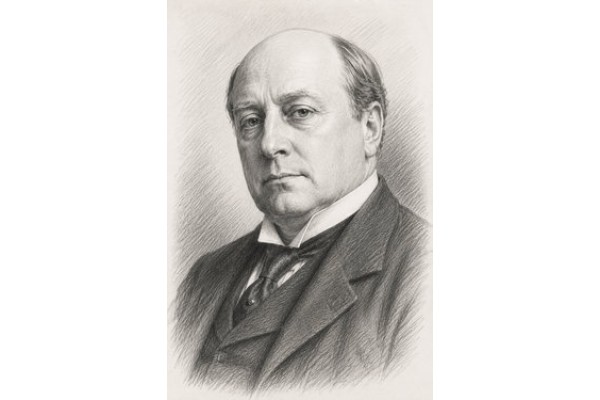
Henry James was one of the most influential novelists of the late nineteenth and early twentieth centuries, renowned for bringing exceptional psychological depth to fiction. Born in New York in 1843, he later settled in Europe, where his experiences shaped a distinctive literary voice that blended American perspectives with European culture. Explore Henry James books to discover the author's life, literary career, and access notable works, including Daisy Miller - A Study, The Turn of the Screw, The Point of View, The Pension Beaurepas , and more.