Poor Miss Finch
by Wilkie Collins
Love, Blindness, and Emotional Perception in a Victorian Tale of Compassion and Conflict
Poor Miss Finch by Wilkie Collins is a deeply emotional and unconventional Victorian novel exploring disability, love, identity, jealousy, medical experimentation, and the difference between outward appearance and inner character. Through a compassionate and psychologically rich narrative, Collins challenges social assumptions about beauty, perception, and emotional truth.
The novel combines romance, suspense, and social commentary within a story filled with tenderness, secrecy, and emotional complexity.
A Blind Woman Encounters Love and Uncertainty
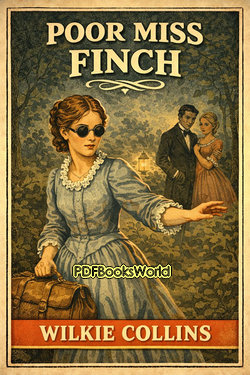
The story centers on Lucilla Finch, a cheerful and intelligent young blind woman whose emotional sensitivity and sincerity shape the moral center of the novel.
Lucilla falls in love with Oscar Dubourg, a kind and devoted man whose affection appears genuine and deeply compassionate.
Yet emotional and psychological complications arise when medical treatment offers Lucilla the possibility of partially regaining her sight.
As visual perception enters her world for the first time, relationships become unexpectedly unstable. Changes in appearance, mistaken identity, jealousy, and emotional insecurity gradually threaten the happiness of those around her.
Collins carefully explores how sight itself may both reveal and distort emotional understanding.
The Figures Within the Emotional Drama
- Lucilla Finch: A warm-hearted and emotionally perceptive blind woman navigating love, trust, and personal transformation.
- Oscar Dubourg: A devoted yet emotionally vulnerable man struggling against jealousy, insecurity, and fear.
- Nugent Dubourg: Oscar’s charismatic and complicated twin brother whose presence intensifies emotional confusion.
- The Doctors and Family Circle: Figures representing Victorian medicine, social expectation, and emotional influence.
The emotional uncertainty surrounding identity and perception gives the novel much of its unique psychological depth.
Seeing Beyond Appearance
One of the novel’s strongest ideas is that emotional understanding often matters more than physical sight. Collins questions whether vision truly leads to clearer judgment or whether appearances instead create confusion, prejudice, and insecurity.
Lucilla’s blindness allows her initially to perceive people through voice, behavior, and emotional sincerity rather than physical appearance.
The novel also reflects Victorian fascination with medicine and scientific experimentation while remaining sensitive to emotional and ethical consequences.
This blend of social commentary and emotional realism gives the narrative lasting power.
Major Themes Running Through the Novel
- Blindness and Emotional Perception: The story challenges assumptions about sight, understanding, and human connection.
- Love and Jealousy: Emotional insecurity gradually threatens trust and happiness.
- Identity and Appearance: Physical resemblance and visual perception create confusion and psychological tension.
- Science and Human Vulnerability: Medical treatment influences emotional life and personal identity.
Collins’s Compassionate and Unusual Storytelling
Poor Miss Finch demonstrates Wilkie Collins’s remarkable willingness to explore unconventional themes and emotionally complex characters. The novel blends domestic realism with psychological suspense and social critique.
Collins portrays Lucilla with sympathy, intelligence, and dignity rather than treating disability as mere tragedy.
The pacing gradually intensifies emotional and psychological conflict while preserving warmth and humanity.
Why the Novel Still Resonates With Readers
Modern readers continue appreciating Poor Miss Finch because its themes remain highly relevant. Questions involving perception, disability, emotional authenticity, jealousy, and identity continue shaping modern relationships and literature.
The novel also stands out for its compassionate portrayal of a disabled heroine and its thoughtful challenge to superficial social assumptions.
For readers interested in Victorian psychological fiction, emotionally rich romance, socially conscious storytelling, and character-driven narratives about perception and love, this work remains original, moving, and deeply memorable.
Similar Genres
About the Author
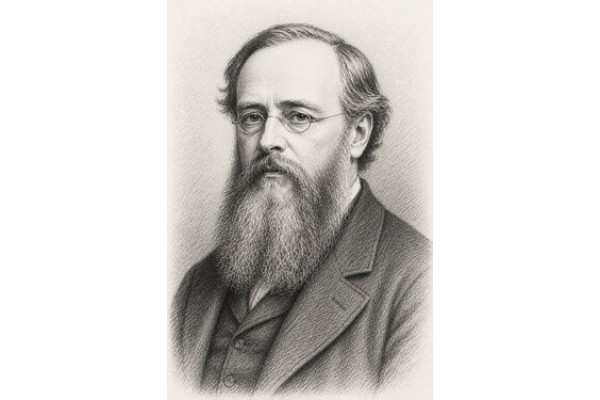
Wilkie Collins earned a lasting reputation as one of the pioneers of modern mystery and sensation fiction. Born in London in 1824, he developed a storytelling style that combined suspense, memorable characters, and carefully constructed plots, keeping readers engaged from beginning to end. Explore Wilkie Collins books to discover the author's life, literary career, and access notable works, including The Moonstone, The Woman in White, After Dark, Basil , and more.