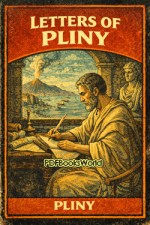
Pliny
Pliny the Younger, commonly known as Pliny, was a Roman lawyer, author, and public official whose writings provide one of the most valuable firsthand accounts of life in the Roman Empire. Living during the first and second centuries, he served in several important government positions while maintaining a strong interest in literature and public affairs. His letters describe everyday life, politics, education, friendships, legal matters, and remarkable historical events, offering modern readers a unique window into the world of ancient Rome. Because of their honesty and careful observation, his writings remain among the most important literary works from the classical period.
A Witness to Roman Life
Pliny carefully recorded many aspects of Roman society, from the daily routines of educated citizens to the responsibilities of public officials. His letters describe family life, social gatherings, legal cases, and the management of estates, allowing readers to understand how people lived nearly two thousand years ago. Unlike many ancient historians who focused mainly on wars and rulers, Pliny wrote about ordinary experiences as well as important public events. This broad perspective has made his work an invaluable source for historians studying the culture and society of ancient Rome.
Writing with Clarity and Elegance
One of Pliny's greatest strengths was his ability to express thoughtful ideas through clear and graceful writing. His letters were carefully composed yet remained personal and engaging, creating the feeling of a conversation with friends and colleagues. He discussed topics ranging from education and philosophy to public service and personal character, encouraging readers to reflect on the responsibilities of citizenship and the importance of integrity. His elegant style has been admired for centuries and continues to influence students of classical literature.
Preserving Remarkable Historical Events
Among Pliny's most famous writings are his descriptions of the eruption of Mount Vesuvius in AD 79, during which his uncle, Pliny the Elder, lost his life while attempting to rescue others and observe the natural disaster. These letters provide one of the earliest and most detailed eyewitness accounts of a volcanic eruption. His writings also offer valuable insight into the administration of the Roman Empire, including correspondence with Emperor Trajan on matters of government, law, and religion. Together, these accounts make his work an essential historical record as well as a literary masterpiece.
An Enduring Classical Masterpiece
Letters of Pliny remains Pliny's most celebrated work, bringing together a remarkable collection of personal correspondence that has survived for nearly two thousand years. The letters reveal the thoughts, experiences, and observations of a highly educated Roman living during an important period of history. They continue to be studied for their literary quality, historical value, and thoughtful reflections on public service, friendship, and everyday life in the ancient world.
Readers interested in classical literature, Roman history, and ancient civilization can explore Letters of Pliny at PDF Books World. The carefully prepared edition allows modern readers to experience one of history's finest collections of personal letters and discover the enduring wisdom and observations of one of Rome's greatest writers.