
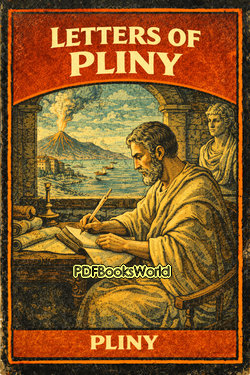
Letters of Pliny
by Pliny
A Remarkable Window Into Daily Life, Politics, and Culture in Ancient Rome
Letters of Pliny by Pliny the Younger is one of the most valuable collections of personal writings from the Roman Empire. Through a series of carefully written letters, Pliny offers vivid insight into Roman politics, family life, social customs, literature, education, law, and historical events during the first century.
Unlike formal historical chronicles, the letters reveal the everyday thoughts, experiences, and relationships of an educated Roman statesman. Together, they create a detailed portrait of life within the Roman world.
Who Was Pliny the Younger?
Pliny the Younger was a Roman lawyer, author, and government official who lived during the height of the Roman Empire. Educated in rhetoric and law, he became known for both his political career and his literary talent.
His letters were carefully organized and prepared for publication, allowing future readers to observe Roman society through the perspective of a thoughtful and highly educated observer.
Pliny’s writing combines personal reflection with historical importance.
The Famous Account of Mount Vesuvius
One of the most historically significant parts of the collection is Pliny’s eyewitness description of the eruption of Mount Vesuvius in AD 79. In these letters, he describes the terrifying destruction of nearby cities, including Pompeii and Herculaneum.
Pliny also recounts the death of his uncle, Pliny the Elder, who attempted to investigate the eruption and assist victims during the disaster.
These letters remain among the most important surviving accounts of the volcanic catastrophe.
Main Subjects Explored Throughout the Letters
- Roman politics, law, and public service
- Friendship, family life, and social customs
- Literature, education, and intellectual discussion
- Historical events and natural disasters
- The moral responsibilities of leadership and citizenship
These topics make the letters historically rich and highly readable.
Everyday Life in Ancient Rome
One reason the collection remains fascinating is its detailed portrayal of ordinary Roman life. Pliny writes about dinners, villas, travel, friendships, court cases, education, and public responsibilities.
Through these observations, readers gain a realistic sense of how upper-class Romans lived, worked, and interacted within society.
The letters also reveal the importance of reputation, honor, and public duty in Roman culture.
The Writing Style of Pliny
Pliny writes with elegance, clarity, and thoughtful reflection. His letters are polished and literary while still feeling personal and conversational.
He balances careful observation with emotional sincerity, making the collection both informative and human.
The combination of historical detail and literary quality helped establish the letters as classics of Roman literature.
Why Letters of Pliny Still Matters
Letters of Pliny remains essential reading because it preserves firsthand insight into one of history’s greatest civilizations. The collection allows modern readers to observe the political, cultural, and personal realities of ancient Rome through the eyes of an intelligent contemporary witness.
For readers interested in Roman history, classical literature, ancient society, and historical biography, Pliny’s letters continue to offer an engaging and invaluable connection to the ancient world.
Similar Genres
About the Author
Pliny the Younger, commonly known as Pliny, was a Roman lawyer, author, and public official whose writings provide one of the most valuable firsthand accounts of life in the Roman Empire. Living during the first and second centuries, he served in several important government positions while maintaining a strong interest in literature and public affairs. Explore Pliny books to discover the author's life, literary career, and access notable works.