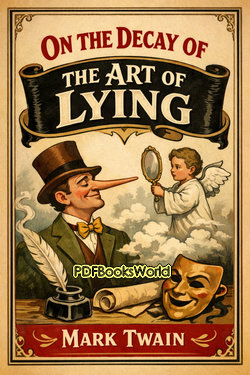
On the Decay of the Art of Lying
by Mark Twain
Mark Twain Defends Lying With Humor, Irony, and Unexpected Seriousness
On the Decay of the Art of Lying by Mark Twain is a clever satirical essay that pretends to argue in favor of lying while actually exposing the hypocrisy, selfishness, and dishonesty already present in society. Using irony and exaggerated logic, Twain humorously suggests that lying is not only universal but could even become an “art” if practiced skillfully and kindly.
The essay was originally presented as a speech to a historical and antiquarian club, and its playful tone allows Twain to criticize human behavior without sounding overly moralistic or angry.
Beneath the comedy lies a surprisingly thoughtful reflection on truth, politeness, social behavior, and human nature.
Twain Claims Lying Is a Universal Human Habit
Rather than pretending honesty always controls human behavior, Twain openly argues that nearly everyone lies in some form. He humorously points out that people regularly distort truth for social comfort, personal advantage, or emotional protection.
He discusses different forms of lying connected to:
- Politeness and social manners
- Exaggeration and storytelling
- Personal ambition and reputation
- Everyday human interaction
- Self-deception and hypocrisy
By treating lying as unavoidable, Twain forces readers to examine their own behavior more honestly.
The Humor Depends on Irony and Reversal
The essay becomes entertaining because Twain argues his points with complete mock seriousness. He speaks as though society should improve the “quality” of its lies rather than eliminate them entirely.
Mock Moral Instruction
Twain pretends to offer practical advice about becoming a better liar.
Comic Exaggeration
Ordinary social behavior is discussed as though it were part of an important artistic discipline.
Playful Contradiction
The essay constantly blurs the line between sincerity and satire.
This ironic structure gives the work much of its charm.
The Essay Quietly Criticizes Human Hypocrisy
Although the tone remains humorous, Twain also exposes how often people claim moral superiority while behaving dishonestly themselves.
The essay questions:
- Society’s unrealistic claims about honesty
- The difference between public virtue and private behavior
- The selfish use of harmful deception
- The tendency to condemn faults found in everyone
Twain suggests that dishonesty becomes especially dangerous when combined with cruelty, greed, or self-righteousness.
Twain Distinguishes Between Harmful and Harmless Lies
Part of the essay’s complexity comes from Twain’s distinction between destructive deception and harmless social kindness.
Kind Social Lies
Some falsehoods protect feelings or maintain social harmony.
Selfish Lies
Other lies manipulate, exploit, or damage people for personal gain.
Human Weakness
Twain treats dishonesty as a natural part of imperfect human behavior rather than a rare moral failure.
This nuanced perspective gives the satire more depth than simple comedy.
The Writing Style Feels Conversational and Sharp
Twain writes with the confidence and rhythm of a public speaker entertaining an audience. The essay moves quickly through examples, observations, and comic arguments.
The prose frequently includes:
- Dry sarcasm
- Playful logic
- Unexpected reversals
- Exaggerated seriousness
- Humorous philosophical reflection
This lively style keeps the essay engaging from beginning to end.
A Brilliant Satire About Truth and Human Nature
On the Decay of the Art of Lying remains memorable because it uses humor to explore uncomfortable truths about social behavior and human hypocrisy. Mark Twain turns an apparently ridiculous argument into a surprisingly insightful examination of honesty, politeness, and self-deception.
Readers interested in satire, philosophy, and social commentary may especially enjoy the essay’s playful intelligence. Beneath the jokes and irony lies a sharp reminder that human beings often prefer comforting illusion to complete honesty.
Similar Genres
About the Author
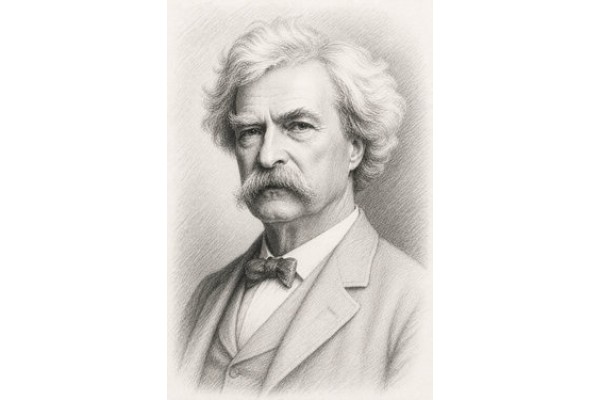
Mark Twain, the pen name of Samuel Langhorne Clemens, remains one of America's most beloved authors and humorists. Born in Missouri in 1835, he drew inspiration from his experiences along the Mississippi River, transforming everyday life into unforgettable stories filled with wit, adventure, and social insight. Explore Mark Twain books to discover the author's life, literary career, and access notable works, including Adventures of Huckleberry Finn, The Adventures of Tom Sawyer, Life on the Mississippi, Roughing It , and more.