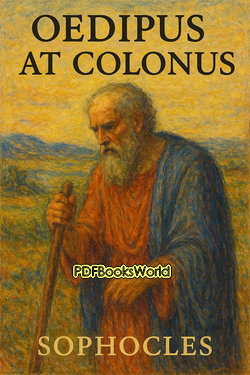
Oedipus at Colonus
by Sophocles
The Emotional Depth of Oedipus at Colonus
Oedipus at Colonus by Sophocles is one of the most powerful works of ancient Greek tragedy. Written near the end of Sophocles’ life, the play continues the story of Oedipus after the events of Oedipus King of Thebes. The drama explores suffering, redemption, destiny, forgiveness, and the search for peace after years of hardship.
Unlike the earlier tragedy centered on shocking discovery and downfall, this play presents an older and wiser Oedipus seeking rest and dignity during the final stage of his life. Its emotional and philosophical depth helped establish the work as one of the greatest achievements in classical literature.
A Journey Toward Redemption
The story begins with Oedipus arriving at Colonus, a peaceful place near Athens, accompanied by his loyal daughter Antigone. Blind, exhausted, and rejected by many, Oedipus searches for safety and spiritual peace after years of wandering in exile.
- Deep emotional storytelling
- Themes of forgiveness and redemption
- Powerful father-daughter relationship
- Exploration of fate and destiny
- Strong influence on tragic literature
Readers interested in the literary history of the drama can learn more through Encyclopaedia Britannica.
Sophocles and the Greek Tragic Tradition
Sophocles was one of ancient Greece’s greatest playwrights and a central figure in the development of tragic drama. His works often explored human suffering, moral responsibility, divine prophecy, and the tension between personal choice and fate.
Through characters such as Oedipus and Antigone, Sophocles created dramas that continue to resonate with modern audiences because of their emotional realism and timeless human conflicts.
Major Themes Throughout the Drama
Fate and Acceptance
Unlike the earlier plays where Oedipus struggles against destiny, this drama shows him gradually accepting his fate and finding peace within it.
Exile and Belonging
Much of the emotional power of the play comes from Oedipus searching for a place where he can finally belong after years of suffering and rejection.
Family Loyalty
Antigone’s devotion to her father becomes one of the emotional foundations of the story. Her loyalty highlights themes of compassion, sacrifice, and family responsibility.
Redemption After Suffering
The play suggests that wisdom and dignity can emerge from hardship. Oedipus transforms from a tragic fallen king into a figure of spiritual importance and moral strength.
Why the Play Still Matters Today
Even after thousands of years, Oedipus at Colonus continues to connect with readers because it explores aging, forgiveness, suffering, and the human desire for peace and acceptance.
- Important work in Greek tragedy
- Rich emotional and philosophical themes
- Influential in literature and theater
- Widely taught in classical studies
- Explores universal human struggles
The Lasting Legacy of the Drama
The influence of Oedipus at Colonus extends across literature, philosophy, and theater. The play helped shape later tragic storytelling by presenting a more reflective and emotionally mature vision of human suffering and redemption.
Its themes of dignity, forgiveness, and inner peace continue to inspire readers, playwrights, and scholars throughout the world.
A Timeless Work of Classical Literature
Oedipus at Colonus remains one of Sophocles’ greatest achievements because it transforms tragedy into a profound meditation on suffering, destiny, and redemption. The play’s emotional depth and philosophical insight continue to make it a lasting masterpiece of world literature.
Similar Genres
About the Author

Sophocles was one of the greatest playwrights of ancient Greece, whose timeless tragedies have shaped the course of world literature for more than two thousand years. Born around 497 BCE in Colonus near Athens, Sophocles transformed Greek drama through his masterful storytelling, richly developed characters, and profound exploration of human destiny. Explore Sophocles books to discover the author's life, literary career, and access notable works, including The Oedipus Trilogy, Oedipus the King, Antigone , and more.