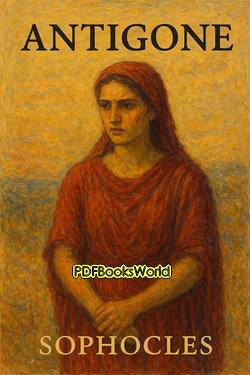
Antigone
by Sophocles
The Courage and Conflict of Antigone
Antigone by Sophocles is one of the most powerful tragedies from ancient Greek literature. The play explores loyalty, justice, authority, morality, and personal sacrifice through the story of a young woman who refuses to abandon her principles even when facing death.
As part of the famous Theban plays, Antigone continues the tragic history of Oedipus and his family. The drama remains widely studied because of its emotional intensity and timeless questions about law, conscience, and human responsibility.
A Tragedy Centered on Moral Choice
The story begins after a violent conflict between Antigone’s brothers, Eteocles and Polynices. King Creon orders that one brother receive an honorable burial while the other is left unburied as punishment for betrayal. Antigone refuses to obey the king’s command and chooses to honor her brother according to sacred tradition.
- Strong and memorable central character
- Conflict between personal morality and political authority
- Emotional family tragedy
- Important themes of justice and loyalty
- Major influence on drama and philosophy
Readers interested in the literary importance of the play can learn more through Encyclopaedia Britannica.
Sophocles and the Tradition of Greek Tragedy
Sophocles was one of ancient Greece’s greatest playwrights and helped define classical tragedy through emotionally complex characters and moral conflict. His works often examined how human beings struggle against fate, authority, and personal suffering.
In Antigone, Sophocles created one of literature’s most admired tragic heroines, a figure whose courage and determination continue to inspire readers centuries later.
Major Themes Throughout the Drama
Law Versus Conscience
The central conflict of the play comes from Antigone choosing moral and religious duty over obedience to political authority.
Family Loyalty and Sacrifice
Antigone risks her life to honor her brother, demonstrating the strength of family loyalty even during political conflict and personal danger.
Pride and Leadership
King Creon’s refusal to compromise reveals how pride and stubborn leadership can lead to tragedy and destruction.
Justice and Moral Responsibility
The play asks difficult questions about what true justice means and whether human laws should always be followed without question.
Why Antigone Still Matters Today
Even after thousands of years, the drama remains relevant because societies still debate issues involving authority, morality, freedom, and civil responsibility. The conflict between individual belief and state power continues to appear throughout modern history.
- Classic work of tragic literature
- Strong female protagonist
- Widely taught in literature and philosophy courses
- Explores timeless moral conflicts
- Influenced modern political and ethical thought
The Lasting Legacy of the Play
The influence of Antigone extends far beyond ancient theater. The play inspired philosophers, political thinkers, dramatists, and modern writers who admired its exploration of moral courage and resistance against unjust authority.
Its themes continue to appear in discussions about civil disobedience, justice, leadership, and individual rights.
A Timeless Masterpiece of Tragic Drama
Antigone remains one of the defining achievements of classical literature because of its emotional power, moral complexity, and unforgettable characters. Sophocles created a tragedy that continues to challenge readers to think about justice, responsibility, and the courage required to defend personal convictions.
Similar Genres
About the Author
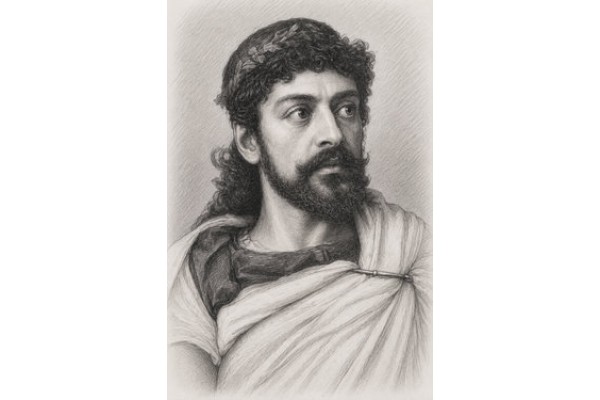
Sophocles was one of the greatest playwrights of ancient Greece, whose timeless tragedies have shaped the course of world literature for more than two thousand years. Born around 497 BCE in Colonus near Athens, Sophocles transformed Greek drama through his masterful storytelling, richly developed characters, and profound exploration of human destiny. Explore Sophocles books to discover the author's life, literary career, and access notable works, including The Oedipus Trilogy, Oedipus the King, Oedipus at Colonus , and more.