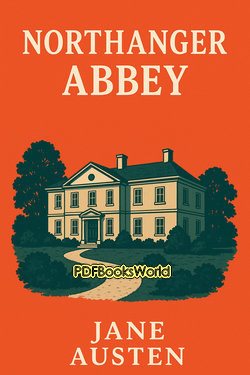
Northanger Abbey
by Jane Austen
Mystery, Romance, and Wit in Northanger Abbey
Northanger Abbey by Jane Austen is a clever and entertaining novel that combines romance, satire, and coming-of-age storytelling. Although written in the late 1700s and published after Austen’s death in 1817, the novel still feels fresh because of its humor and sharp observations about society and imagination.
The story follows Catherine Morland, a young woman whose love for gothic novels leads her to expect mystery and danger everywhere she goes. As she enters fashionable society and visits the grand Northanger Abbey, Catherine slowly learns the difference between fantasy and reality.
Why the Novel Still Appeals to Readers
Jane Austen uses light humor and social commentary to create a story that is both entertaining and thoughtful. The novel gently mocks the dramatic gothic fiction that was popular during Austen’s time while also exploring friendship, love, and personal growth.
Main Reasons Readers Enjoy the Book
- Charming and relatable main character
- Humorous satire of gothic fiction
- Romantic and emotional storytelling
- Strong social observations
- Easy-to-follow writing style
The novel is often praised for blending parody with genuine emotion, making it different from Austen’s other works while still maintaining her signature style.
Catherine Morland’s Journey
Catherine begins the story as an innocent and imaginative teenager who believes real life should resemble the thrilling novels she reads. Her experiences at Bath and Northanger Abbey slowly teach her maturity, self-awareness, and emotional understanding.
Many literary scholars view Catherine as one of Austen’s most realistic heroines because of her awkwardness, curiosity, and emotional honesty.
The Gothic Influence
One of the most interesting parts of Northanger Abbey is its playful criticism of gothic fiction. During Austen’s era, readers loved dark castles, mysterious villains, hidden secrets, and dramatic suspense.
Austen humorously exaggerates these ideas through Catherine’s imagination while also showing how books can influence the way people see the world.
Readers interested in the gothic tradition can explore Britannica’s guide to Gothic novels.
Jane Austen’s Writing Style
Jane Austen’s writing remains popular because of her wit, realistic dialogue, and understanding of human behavior. In Northanger Abbey, she combines satire with warmth, allowing readers to laugh at Catherine’s mistakes while still caring deeply about her journey.
Important Themes in the Novel
- The difference between fantasy and reality
- The influence of books and imagination
- Social class and reputation
- Personal growth and maturity
- Friendship and romantic relationships
More detailed literary analysis is available through SparkNotes study guide for Northanger Abbey.
The Novel’s Place in English Literature
Northanger Abbey is considered one of the earliest parody novels in English literature. Austen cleverly critiques popular fiction while also creating a meaningful story about growing up and understanding human nature.
The novel continues to be studied in schools and universities because of its literary humor, social commentary, and historical importance.
Readers who want to learn more about Austen’s life and literary influence can visit Wikipedia’s detailed article on Jane Austen.
Final Thoughts
Northanger Abbey remains a delightful blend of satire, romance, and personal discovery. Jane Austen transforms an imaginative young woman’s adventures into a timeless story about learning to see the world clearly. The novel continues to entertain readers through its humor, intelligence, and memorable characters.
Similar Genres
About the Author
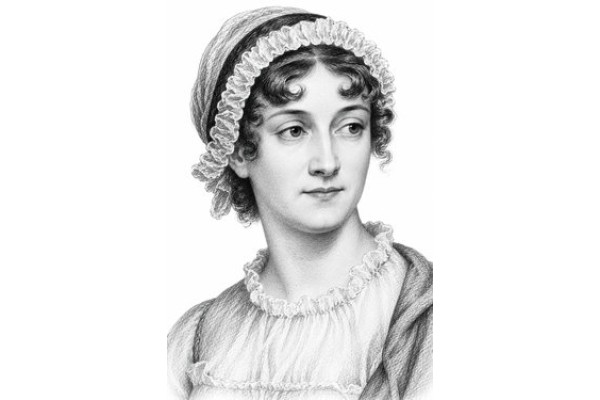
Jane Austen transformed the English novel by turning everyday life into enduring literature filled with wit, insight, and unforgettable characters. Born in Hampshire, England, in 1775, Austen wrote during a period of significant social change, yet her stories remain timeless because they focus on universal experiences such as love, family, personal growth, and the search for happiness. Explore Jane Austen books to discover the author's life, literary career, and access notable works, including Sense and Sensibility, Emma, Persuasion, Pride and Prejudice , and more.