Emma: A Brilliant Novel of Wit, Romance, and Self-Discovery
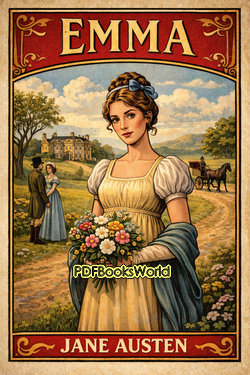
Emma is one of the most admired novels written by Jane Austen. First published in 1815, the novel combines romance, social observation, humor, and psychological insight within the quiet English village of Highbury. Through the character of Emma Woodhouse, Austen explores themes of class, marriage, pride, misunderstanding, and personal growth while creating one of the most memorable heroines in classic literature.
A Young Woman Confident In Her Judgment
The story follows Emma Woodhouse, a wealthy and intelligent young woman who enjoys arranging relationships and believes herself highly skilled at matchmaking. After helping bring about the marriage of her former governess Miss Taylor, Emma becomes convinced that she can successfully manage the romantic lives of those around her.
Her attention soon turns toward her friend Harriet Smith, whom Emma encourages to reject a respectable marriage proposal in hopes of securing a more socially ambitious match. However, Emma’s assumptions and misunderstandings begin creating emotional confusion and unexpected consequences for both herself and others.
The Charm and Complexity of Emma Woodhouse
Emma remains one of Jane Austen’s most fascinating literary characters because she is both likable and flawed. Intelligent, confident, and socially privileged, she often misjudges the feelings and intentions of people around her due to pride and overconfidence. Austen herself famously described Emma as a heroine “whom no one but myself will much like.”
As the novel progresses, Emma gradually learns humility, self-awareness, and emotional maturity. Her personal growth becomes the emotional heart of the story and gives the novel much of its lasting appeal.
Marriage, Society, and Social Class
Like many of Jane Austen’s novels, Emma examines the importance of marriage and social status within early nineteenth-century English society. Austen carefully portrays how wealth, class, reputation, and family background influence relationships and opportunities, especially for women.
The novel also explores the limitations placed upon women during the period. While Emma enjoys unusual financial independence, other characters such as Jane Fairfax face far fewer choices regarding their futures and social security.
Humor, Misunderstanding, and Emotional Growth
One reason Emma remains so enjoyable is Austen’s skillful use of irony and misunderstanding. Much of the novel’s humor comes from Emma’s incorrect assumptions about romance and social relationships, while readers gradually recognize truths that Emma herself cannot yet see.
Austen balances this humor with emotional depth, allowing the story to explore self-deception, friendship, kindness, and personal responsibility in a subtle and realistic way.
The Importance of Mr. Knightley
Mr. Knightley serves as one of the few characters willing to challenge Emma’s mistakes honestly and directly. Intelligent, thoughtful, and morally grounded, he becomes an important influence on Emma’s emotional development and self-understanding.
Their relationship evolves gradually throughout the novel, making the eventual romance feel believable and emotionally rewarding rather than idealized or sudden.
Why Emma Continues To Be Loved
Modern readers continue to admire Emma because of its wit, memorable characters, and psychological realism. The novel’s exploration of pride, misunderstanding, social pressure, and emotional growth remains surprisingly relatable even centuries after its publication.
The story has inspired numerous films, television adaptations, and modern reinterpretations, helping introduce new generations to Jane Austen’s work and preserving Emma Woodhouse as one of literature’s most enduring heroines.
Final Thoughts
Emma remains one of the defining masterpieces of classic English literature. Through humor, romance, emotional insight, and sharp social observation, Jane Austen created a novel that continues to entertain and inspire readers around the world.
For readers interested in classic romance, literary fiction, and character-driven storytelling filled with wit and emotional depth, this novel remains an essential and rewarding reading experience.