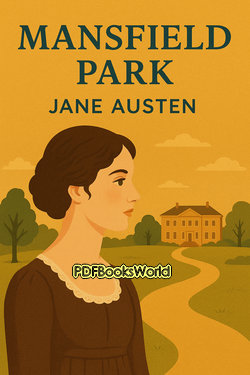
Mansfield Park
by Jane Austen
Why Mansfield Park Remains One of Jane Austen’s Most Thoughtful Novels
Mansfield Park by Jane Austen is often considered one of her most serious and emotionally complex novels. First published in 1814, the story follows Fanny Price, a quiet young woman sent from her poor family to live with wealthy relatives at Mansfield Park. As Fanny grows older, she faces difficult social pressures, family tensions, and moral choices that shape her future. Although the novel may appear gentle on the surface, it explores powerful themes about class, morality, ambition, and personal integrity.
Readers interested in the literary importance of Austen’s work can explore Encyclopaedia Britannica.
A Different Kind of Jane Austen Heroine
Unlike some of Austen’s more outspoken characters, Fanny Price is quiet, observant, and deeply thoughtful. She grows up feeling like an outsider inside the wealthy Bertram household, where she is constantly reminded of her lower social position. This experience shapes her strong sense of humility and moral responsibility.
As the story develops, Fanny becomes a sharp observer of the people around her. While others are often distracted by charm, wealth, or social status, she notices deeper flaws hidden beneath polite behavior. Her quiet strength becomes one of the novel’s most important qualities.
The Social World of Mansfield Park
Jane Austen carefully examines the social expectations of early nineteenth-century England. Marriage, wealth, education, and reputation all play major roles in the lives of the characters. Many people in the novel make decisions based on social advantage rather than genuine affection or moral values.
Through these relationships, Austen criticizes superficial behavior and highlights the dangers of selfishness and vanity. The glamorous Crawford siblings, for example, bring excitement into the lives of the Bertram family, but their influence also creates emotional confusion and conflict.
Readers looking for character analysis and study material can visit SparkNotes.
The Novel’s Themes Still Feel Relevant
One reason Mansfield Park continues to attract readers is its focus on timeless human behavior. The novel explores how people respond to temptation, social pressure, and emotional disappointment. Questions about honesty, loyalty, and personal values remain just as meaningful today as they were during Austen’s lifetime.
Fanny’s journey also reflects the challenge of maintaining personal principles in environments where appearance and status often matter more than sincerity. Her emotional struggles make the story feel more realistic and psychologically complex than many traditional romance novels.
Jane Austen’s Writing Style
Austen’s writing in Mansfield Park is subtle, intelligent, and deeply observant. Rather than relying on dramatic action, she builds tension through conversation, social interaction, and emotional misunderstandings. Her detailed descriptions of manners and relationships reveal the hidden motivations of each character.
The novel also contains moments of quiet humor and irony, especially when Austen exposes hypocrisy or shallow behavior within polite society. This balance between realism and wit remains one of the defining features of her literary style.
Why Readers Continue to Study the Novel
Students and literary scholars continue studying Mansfield Park because of its psychological depth and social commentary. The novel offers insight into class structure, gender expectations, and family life in nineteenth-century England while also presenting deeply human emotional conflicts.
Modern readers often discover that the characters feel surprisingly realistic. Their struggles with pride, insecurity, love, and morality continue to reflect experiences people face today.
A Lasting Literary Legacy
More than two centuries after its publication, Mansfield Park remains an important part of English literature. Its thoughtful exploration of morality, social pressure, and emotional resilience gives the novel a lasting relevance that continues to attract new generations of readers. Jane Austen’s careful storytelling and unforgettable characters ensure that the novel still holds a respected place among literary classics.
Similar Genres
About the Author

Jane Austen transformed the English novel by turning everyday life into enduring literature filled with wit, insight, and unforgettable characters. Born in Hampshire, England, in 1775, Austen wrote during a period of significant social change, yet her stories remain timeless because they focus on universal experiences such as love, family, personal growth, and the search for happiness. Explore Jane Austen books to discover the author's life, literary career, and access notable works, including Sense and Sensibility, Emma, Persuasion, Pride and Prejudice , and more.