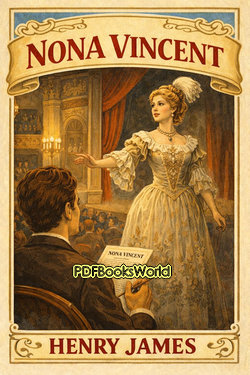
Nona Vincent
by Henry James
Theater, Identity, and Emotional Performance in Henry James’s Subtle Story
Nona Vincent by Henry James is a psychologically rich short story that explores acting, artistic creation, emotional projection, and the blurred boundary between fiction and real life. Set within the theatrical world, the story examines how imagination and personal feeling can influence relationships in unexpected ways.
Through elegant dialogue and careful emotional observation, Henry James creates a narrative where art becomes deeply connected to hidden desire, emotional misunderstanding, and personal identity.
The result is a sophisticated and quietly haunting story about creativity, performance, and emotional illusion.
A Playwright Creates a Character Inspired by Imagination
The story follows Wayworth, a playwright who writes a theatrical role named Nona Vincent for an actress he admires. Although the actress initially inspires the character, Wayworth gradually becomes emotionally fascinated not with the real woman herself, but with the imagined personality he has created through his artistic work.
As rehearsals and performances continue, the relationship between imagination and reality becomes increasingly complicated. Emotional expectations and artistic fantasy begin affecting how the characters understand one another.
James carefully explores the emotional power of artistic projection.
Important Characters in the Story
- Wayworth
A playwright whose imagination and emotional idealism shape the story’s psychological tension. - The Actress
The performer associated with the role of Nona Vincent, caught between reality and artistic expectation. - Nona Vincent
The fictional theatrical character whose imagined identity becomes emotionally significant.
The shifting relationship between artistic imagination and real human emotion drives the story’s subtle drama.
A Psychological and Theatrical Writing Style
Henry James combines reflective narration with theatrical atmosphere throughout Nona Vincent. The story develops through conversation, emotional suggestion, and psychological observation rather than dramatic action.
James carefully examines how creative individuals project desires and ideals onto both fictional characters and real people. Readers are encouraged to question where imagination ends and emotional reality begins.
The elegant prose creates a mood of emotional ambiguity and artistic introspection.
Main Themes Explored Throughout the Story
- Art and Emotional Projection
The story explores how imagination shapes emotional perception and attachment. - Reality Versus Fiction
James examines the blurred line between created characters and real human identity. - Theater and Performance
Acting becomes a symbol for emotional presentation and hidden desire. - Idealism and Disappointment
The story reflects on the emotional risks of confusing fantasy with reality.
These themes give the story psychological complexity and emotional depth.
An Interesting Exploration of Artistic Imagination
Nona Vincent reflects Henry James’s continuing fascination with art, performance, and emotional psychology. The story examines how artistic creation can influence personal relationships and emotional understanding.
James also demonstrates his remarkable ability to create emotional tension through subtle shifts in perception and feeling. Much of the drama exists beneath the surface of ordinary conversation and theatrical activity.
The story remains especially engaging for readers interested in literature, theater, and psychological fiction.
Why the Story Still Resonates Today
Even today, Nona Vincent continues to feel modern because its themes remain highly relevant. Readers still recognize the emotional tendency to idealize others or project imagined qualities onto relationships.
The story also feels contemporary in its exploration of performance, identity, and the emotional influence of art. James examines these experiences with intelligence, subtlety, and emotional realism.
For readers interested in literary classics, theatrical fiction, and psychologically sophisticated storytelling, this work remains elegant, thoughtful, and rewarding.
Similar Genres
About the Author
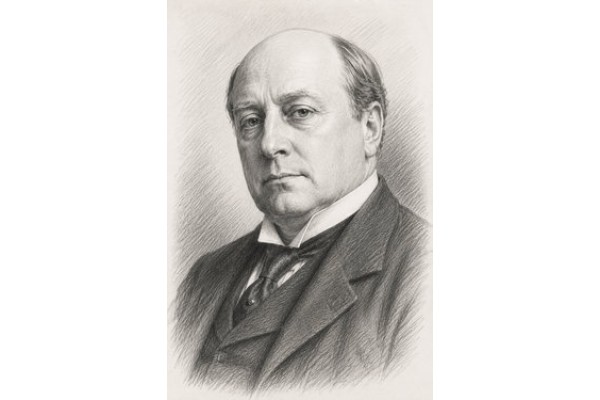
Henry James was one of the most influential novelists of the late nineteenth and early twentieth centuries, renowned for bringing exceptional psychological depth to fiction. Born in New York in 1843, he later settled in Europe, where his experiences shaped a distinctive literary voice that blended American perspectives with European culture. Explore Henry James books to discover the author's life, literary career, and access notable works, including Daisy Miller - A Study, The Turn of the Screw, The Point of View, The Pension Beaurepas , and more.