
Moving the Mountain
by Charlotte Perkins Gilman
Imagining a Better Future Through Social Progress
Moving the Mountain by Charlotte Perkins Gilman is a visionary utopian novel that explores what society might look like after decades of social reform and human advancement. Published in the early twentieth century, the book presents a future America transformed by education, cooperation, scientific thinking, and greater equality. Through the eyes of a man who awakens after many years away from society, readers are introduced to a world that has overcome many of the problems that once seemed impossible to solve.
A Journey into a Reimagined Society
The story follows John Robertson, a man who returns to civilization after being absent for thirty years. Expecting to find the same world he left behind, he instead discovers a society that has undergone dramatic changes. As he learns about these developments, readers explore the ideas and reforms that have reshaped everyday life.
A Future Built on Cooperation
In Gilman’s vision, social progress is achieved through collective effort rather than competition alone. Education, public health, and efficient organization play important roles in creating a more stable and prosperous society. The novel presents a future where communities work together to address common challenges and improve the quality of life for everyone.
Key Features of the Future Society
- Educational Advancement: Learning is widely available and highly valued.
- Social Equality: Opportunities are expanded for all members of society.
- Public Well-Being: Health, safety, and community welfare receive significant attention.
- Scientific Progress: Practical solutions are used to address social problems.
Challenging Old Assumptions
Much of the novel’s appeal comes from the contrast between past and future. As John encounters new customs and institutions, he questions many beliefs that he once considered normal. Through these conversations and discoveries, Gilman encourages readers to think critically about social traditions and consider alternative ways of organizing society.
Major Themes in the Novel
- Social Reform: Positive change is possible through thoughtful action.
- Equality: Fair opportunities contribute to a healthier society.
- Education: Knowledge serves as a foundation for progress.
- Cooperation: Communities thrive when people work together.
- Optimism: The future can be improved through human effort and innovation.
Charlotte Perkins Gilman’s Vision
Charlotte Perkins Gilman was a prominent writer and social thinker who often explored issues related to equality, education, and social development. In Moving the Mountain, she combines fiction with social commentary, using a futuristic setting to present ideas about how society might evolve. Her approach encourages discussion while maintaining an engaging narrative.
Why the Book Remains Relevant Today
Moving the Mountain continues to attract readers because many of the questions it raises remain important. Topics such as education, public welfare, equality, and social responsibility are still widely debated. By presenting an imaginative vision of what society could become, the novel invites readers to reflect on both current challenges and future possibilities, making it a thought-provoking work of classic speculative fiction.
Similar Genres
About the Author
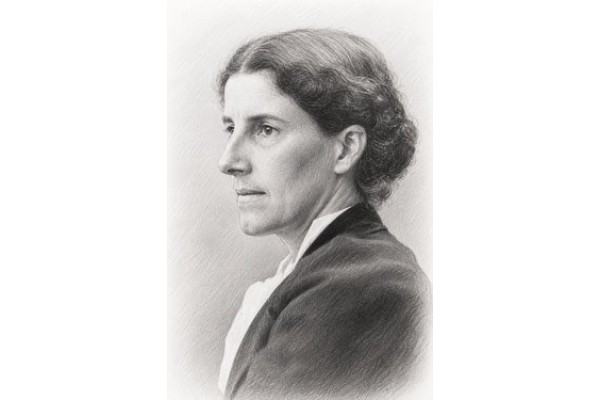
Charlotte Perkins Gilman was an American novelist, social reformer, lecturer, and pioneering feminist thinker whose writings transformed discussions about women's rights, economic independence, and social equality. Explore Charlotte Perkins Gilman books to discover the author's life, literary career, and access notable works, including The Yellow Wallpaper, Herland , and more.