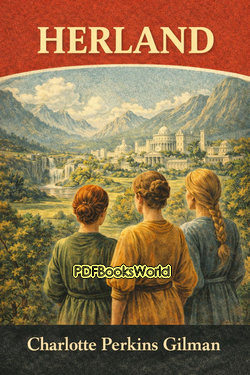
Herland
by Charlotte Perkins Gilman
Exploring the Strange and Powerful Imagination Behind Herland
What would society look like without war, inequality, or the traditional roles assigned to men and women? That fascinating question drives Herland, the groundbreaking novel written by Charlotte Perkins Gilman.
Part adventure story, part social commentary, and part utopian fiction, the novel presents a hidden society made up entirely of women. When three male explorers accidentally discover this isolated country, they encounter a culture unlike anything they have ever imagined.
Although first published in 1915, Herland still feels surprisingly modern because of its discussions about gender, education, cooperation, and social values.
A Hidden Civilization Unlike Any Other
The story follows three American men who hear rumors about a mysterious land inhabited only by women. Curious and skeptical, they decide to investigate.
After entering the isolated country, the visitors discover:
- A peaceful and highly organized society
- Advanced education and agriculture
- Communities focused on cooperation instead of competition
- A culture without poverty, crime, or violence
The women of Herland have lived independently for centuries and developed a society centered on collective well-being and motherhood.
The Three Explorers and Their Different Perspectives
One of the novel’s most interesting features is how the three male visitors react differently to Herland.
Terry Nicholson
Terry is confident, arrogant, and strongly attached to traditional gender roles. He struggles to understand or respect the women’s society.
Jeff Margrave
Jeff quickly admires Herland and views its women with idealistic fascination. He appreciates their kindness and intelligence.
Vandyck Jennings
The narrator, Vandyck, approaches the society more thoughtfully and analytically. Through his observations, readers gradually learn about Herland’s customs and values.
Main Themes in the Novel
Gender Roles and Equality
Herland challenges many traditional assumptions about men and women. Gilman asks readers to reconsider ideas about leadership, family, education, and social responsibility.
The novel explores questions such as:
- Are gender roles shaped by society?
- Can cooperation create a stronger civilization?
- How would society change without male dominance?
Motherhood and Social Responsibility
In Herland, motherhood is deeply respected and treated as an important social responsibility rather than a private matter.
The society focuses heavily on:
- Child development
- Education
- Health and safety
- Collective care for future generations
Peace and Cooperation
Unlike many societies shaped by competition and conflict, Herland values harmony, planning, and shared goals.
The absence of war and violence allows the society to focus on progress and stability.
Why Herland Was Revolutionary
When the novel first appeared in the early 20th century, its ideas were highly unusual. At the time, women in many countries still lacked basic political rights, including voting rights.
Gilman’s novel stood out because it:
- Presented women as intellectual equals
- Imagined a female-led society
- Criticized restrictive gender expectations
- Explored social reform through fiction
Today, the novel is often studied as an important feminist work and an early example of utopian science fiction.
Charlotte Perkins Gilman’s Writing Style
Charlotte Perkins Gilman combines storytelling with social analysis. Much of the novel’s power comes from conversations between the visitors and the women of Herland.
Her writing style is known for:
- Clear and direct language
- Thought-provoking dialogue
- Social criticism
- Detailed world-building
- Intellectual exploration
Rather than relying heavily on action, the novel keeps readers engaged through ideas, cultural differences, and psychological reactions.
The Lasting Influence of the Novel
More than a century after its publication, Herland continues to influence discussions about feminism, equality, and social organization.
The novel remains relevant because many of its themes still connect to modern debates involving:
- Gender equality
- Parenting and education
- Social cooperation
- Women’s leadership
- Cultural expectations
Readers often appreciate the book not only for its ideas but also for its imaginative approach to social criticism.
Who Should Read Herland?
This novel may appeal especially to readers interested in:
- Classic feminist literature
- Utopian fiction
- Social philosophy
- Women’s history
- Thought-provoking speculative fiction
It is also a strong choice for readers who enjoy novels built around ideas and social experimentation.
Final Thoughts
Herland by Charlotte Perkins Gilman is a bold and imaginative novel that continues to spark discussion more than 100 years after it was written. Through the discovery of a peaceful all-female society, Gilman explores questions about equality, culture, education, and the future of human civilization.
Blending fiction with social commentary, the novel offers readers both an engaging story and a thoughtful examination of how societies are shaped. For anyone interested in classic literature or visionary ideas, Herland remains an important and fascinating read.
Similar Genres
About the Author
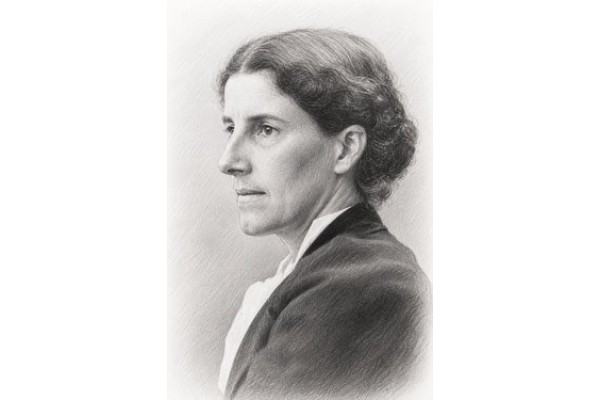
Charlotte Perkins Gilman was an American novelist, social reformer, lecturer, and pioneering feminist thinker whose writings transformed discussions about women's rights, economic independence, and social equality. Explore Charlotte Perkins Gilman books to discover the author's life, literary career, and access notable works, including The Yellow Wallpaper, Moving the Mountain , and more.