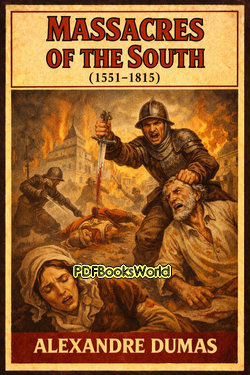
Massacres of the South (1551-1815)
by Alexandre Dumas
A Violent Historical Chronicle of Conflict, Revenge, and Political Turmoil
Massacres of the South (1551–1815) by Alexandre Dumas is a historical work examining episodes of violence, political repression, religious conflict, and social upheaval in southern Europe across several centuries. Through dramatic narration and vivid historical storytelling, Dumas explores how ambition, fanaticism, war, and struggles for power repeatedly produced cycles of brutality and human suffering.
The work combines historical commentary with the emotional intensity and narrative energy characteristic of Dumas’s writing.
Centuries Marked by Violence and Instability
The narrative moves across different historical periods and regions, describing massacres, political persecutions, civil conflicts, and military violence affecting both rulers and ordinary people.
Dumas examines how religious tensions, dynastic rivalries, revolutionary movements, and struggles for territorial control contributed to recurring bloodshed.
Rather than presenting history as distant or abstract, he emphasizes the human drama within these events.
Leaders, soldiers, rebels, victims, and conspirators all become part of a larger historical pattern shaped by fear, vengeance, ambition, and ideological conflict.
The atmosphere throughout remains emotionally intense and morally serious.
The Historical Forces Within the Work
- Political Rulers and Dynasties
Authorities attempting to maintain power through force, punishment, and military control. - Religious and Ideological Factions
Groups divided by belief, loyalty, and political allegiance. - Revolutionaries and Rebels
Individuals resisting oppression or seeking radical change. - Ordinary Civilians
Communities suffering the consequences of warfare and political violence.
Dumas consistently highlights the human cost hidden beneath political history.
History as Cycles of Power and Bloodshed
One of the work’s central ideas is that violence often repeats across generations when societies become consumed by revenge, fanaticism, fear, or unchecked ambition.
Dumas portrays political and religious extremism as deeply destructive forces capable of turning entire populations against one another.
At the same time, he remains fascinated by the emotional intensity and dramatic scale of historical conflict.
The narrative therefore balances condemnation of violence with powerful storytelling energy.
Major Themes Running Through the Work
- Political Violence and Repression
Power struggles repeatedly lead to persecution, massacre, and war. - Religious and Ideological Conflict
Belief systems become sources of division and brutality. - Human Suffering Within History
Ordinary people endure the consequences of larger political struggles. - Revenge and Cycles of Conflict
Violence often creates further violence across generations.
Dumas’s Dramatic Historical Vision
Massacres of the South reflects Alexandre Dumas’s ability to transform historical material into emotionally vivid narrative rather than dry chronicle. His writing emphasizes atmosphere, conflict, personality, and dramatic momentum.
Even when discussing large-scale historical events, Dumas focuses strongly on human emotion and moral tension.
The result feels both educational and intensely theatrical.
Why the Work Still Holds Interest
Modern readers continue finding Massacres of the South (1551–1815) compelling because its themes remain deeply relevant. Political extremism, ideological violence, state repression, and cycles of revenge continue shaping modern societies.
The work also offers insight into how nineteenth-century writers interpreted history through emotion, morality, and dramatic storytelling.
For readers interested in historical conflict, political violence, European history, and emotionally charged historical narrative, this work remains intense, thought-provoking, and historically fascinating.
Similar Genres
About the Author
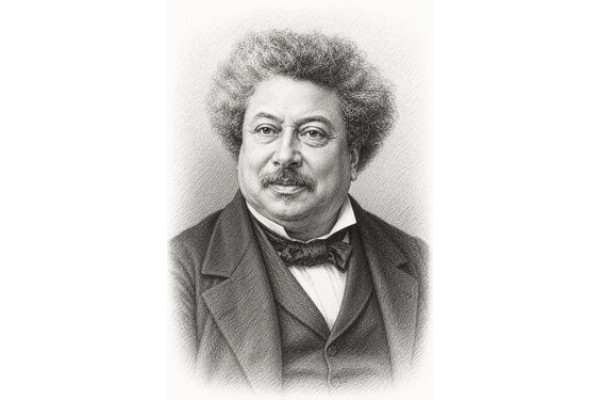
Alexandre Dumas captivated readers with thrilling adventures, unforgettable heroes, and stories that have stood the test of time. Born in France in 1802, he possessed an extraordinary gift for weaving history, romance, and action into novels that appealed to readers of every age. Explore Alexandre Dumas books to discover the author's life, literary career, and access notable works, including The Count of Monte Cristo, The Three Musketeers, The Royal Life Guard, The Man in the Iron Mask , and more.