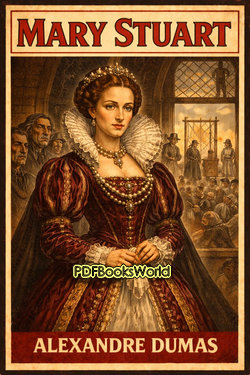
Mary Stuart
by Alexandre Dumas
A Tragic Historical Portrait of Power, Betrayal, and Royal Destiny
Mary Stuart by Alexandre Dumas is a dramatic historical work centered on the life of Mary, Queen of Scots, one of the most fascinating and tragic royal figures in European history. Combining political intrigue, romance, betrayal, imprisonment, and personal suffering, Dumas portrays Mary Stuart as a complex woman caught within violent religious conflict and ruthless struggles for power.
The narrative balances emotional intensity with historical drama, transforming royal history into vivid human tragedy.
A Queen Surrounded by Conflict and Conspiracy
Mary Stuart inherits political danger from the beginning of her reign. As queen of Scotland and a figure connected to competing claims for the English throne, she becomes entangled in religious divisions, noble conspiracies, shifting alliances, and international rivalry.
Dumas follows her through political marriages, personal scandals, court intrigue, rebellion, and eventual imprisonment.
Throughout the story, Mary struggles to maintain authority within a world dominated by suspicion, ambition, and betrayal.
Her emotional decisions often carry enormous political consequences, making private life inseparable from royal responsibility.
The atmosphere grows increasingly tragic as her enemies tighten control around her.
The Figures Within the Historical Drama
- Mary Stuart
A charismatic and emotionally complex queen facing political isolation and personal tragedy. - The Scottish Nobles and Conspirators
Ambitious political figures divided by religion, loyalty, and power struggles. - Queen Elizabeth I
The English monarch whose relationship with Mary remains politically tense and deeply consequential. - The Royal Advisers and Allies
Individuals attempting to influence, protect, manipulate, or betray the queen.
The instability of trust and loyalty shapes nearly every major event in the narrative.
Royal Power and Human Vulnerability
One of the work’s strongest ideas is that monarchy does not protect individuals from emotional suffering or personal weakness. Despite her royal position, Mary remains vulnerable to love, grief, fear, betrayal, and political manipulation.
Dumas portrays her both as a queen and as a tragic human being trapped within forces larger than herself.
The narrative repeatedly emphasizes how personal emotion and political destiny become inseparably connected in royal life.
Mary’s tragedy emerges partly from the impossibility of escaping either role.
Major Themes Running Through the Work
- Power and Political Intrigue
Royal authority exists within constant danger and conspiracy. - Loyalty and Betrayal
Friendships and alliances repeatedly collapse under pressure and ambition. - Love and Tragedy
Personal relationships become entangled with political disaster. - Fate and Historical Destiny
Mary’s life unfolds toward increasingly unavoidable catastrophe.
Dumas’s Dramatic Historical Imagination
Mary Stuart reflects Alexandre Dumas’s talent for transforming historical biography into emotionally engaging narrative. He focuses strongly on atmosphere, dialogue, emotional conflict, and dramatic momentum.
Political events remain important, yet Dumas constantly emphasizes the personalities and emotions shaping those events.
The result feels intimate despite the enormous historical scale.
Why the Story Still Captivates Readers
Modern readers continue finding Mary Stuart compelling because Mary herself remains one of history’s most emotionally fascinating royal figures. Her life combines romance, political danger, imprisonment, betrayal, and tragic downfall in extraordinary ways.
The themes of power, vulnerability, and personal suffering within public life continue resonating strongly today.
For readers interested in royal history, political drama, tragic biography, and emotionally rich historical storytelling, this work remains vivid, moving, and unforgettable.
Similar Genres
About the Author

Alexandre Dumas captivated readers with thrilling adventures, unforgettable heroes, and stories that have stood the test of time. Born in France in 1802, he possessed an extraordinary gift for weaving history, romance, and action into novels that appealed to readers of every age. Explore Alexandre Dumas books to discover the author's life, literary career, and access notable works, including The Count of Monte Cristo, The Three Musketeers, The Royal Life Guard, The Man in the Iron Mask , and more.