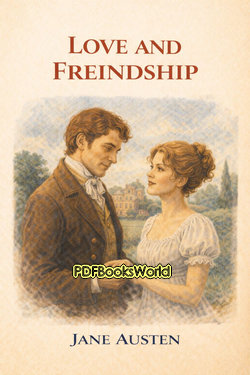
Love and Freindship
by Jane Austen
Young Jane Austen’s Playful Satire Shines in Love and Freindship
Long before Pride and Prejudice and Sense and Sensibility made her one of the world’s most admired novelists, Jane Austen was already experimenting with humor, romance, and social satire. Love and Freindship, written during her teenage years, offers readers a fascinating glimpse into the early creativity and sharp wit that would later define her literary career.
The novella is intentionally exaggerated, dramatic, and humorous, parodying the romantic fiction that was popular during Austen’s time. Even the unusual spelling of “Freindship” reflects the youthful and playful nature of the work.
Filled with emotional outbursts, absurd situations, and exaggerated romance, the story reveals Austen’s talent for comedy at an early age.
A Story Full of Drama and Romance
The narrative follows Laura, a young woman who recounts her dramatic romantic adventures, friendships, family conflicts, and emotional struggles. Through letters and storytelling, Laura describes a world where characters fall in love instantly, faint frequently, and react to every situation with extreme emotion.
The exaggerated style creates humor by mocking the overly sentimental novels that were fashionable at the time.
The story includes:
Romantic misunderstandings, dramatic friendships, family conflict, emotional declarations, sudden tragedies, and humorous exaggeration.
Austen intentionally pushes the emotions and events to unrealistic extremes for comic effect.
Main Characters in Love and Freindship
- Laura – The dramatic narrator whose emotional storytelling shapes the entire novella.
- Sophia – Laura’s close friend whose romantic adventures become equally exaggerated and chaotic.
- Edward – A romantic figure involved in the emotional and humorous events of the story.
- Various Family Members and Suitors – Characters who contribute to the comedy through exaggerated behavior and dramatic reactions.
Major Themes in the Novella
- Satire of Romantic Fiction – Austen humorously mocks exaggerated love stories and sentimental writing.
- Youthful Imagination – The story reflects creativity, playfulness, and energetic storytelling.
- Friendship and Emotion – Relationships are portrayed in exaggerated and comedic ways.
- Social Expectations – Austen lightly satirizes manners, romance, and social behavior.
- Humor Through Excess – The comedy comes largely from emotional overreaction and unrealistic drama.
Jane Austen’s Early Literary Talent
Although written during Austen’s youth, the novella already demonstrates many qualities that later made her famous. Readers can see her sharp observation of social behavior and her ability to create humor through dialogue and character reactions.
Even at a young age, Austen showed remarkable skill in:
Irony, parody, social satire, comic timing, and character-based humor.
These early experiments helped shape the mature style of her later novels.
The Humorous Tone of the Story
Unlike serious romantic novels, Love and Freindship intentionally exaggerates emotional scenes until they become absurdly funny. Characters faint, cry, collapse, and make dramatic speeches with almost constant intensity.
The exaggerated tone allows Austen to gently mock unrealistic portrayals of romance and emotion.
This playful style gives the novella a light and entertaining atmosphere that feels very different from traditional sentimental fiction.
Why Modern Readers Still Enjoy the Work
Modern audiences often enjoy the novella because it reveals a younger and more playful side of Jane Austen. Readers familiar with her later novels may find it fascinating to see the early development of her humor and satire.
The story continues to appeal because it:
Uses clever parody, creates amusing exaggeration, showcases youthful creativity, and provides insight into Austen’s early writing style.
Its short length and energetic pacing also make it highly accessible.
Interesting Facts About the Novella
Jane Austen wrote Love and Freindship as part of her early “Juvenilia,” a collection of works created during her teenage years. These writings remained unpublished for many years but later became valuable for understanding the development of her literary voice and comic style.
Final Thoughts
Love and Freindship by Jane Austen remains a charming and entertaining example of youthful literary creativity. Through exaggerated romance, playful satire, and humorous storytelling, Austen demonstrates the wit and intelligence that would later make her one of literature’s most celebrated authors.
For readers interested in classic humor, early Austen works, and literary parody, the novella offers a delightful and surprisingly modern reading experience.
Similar Genres
About the Author
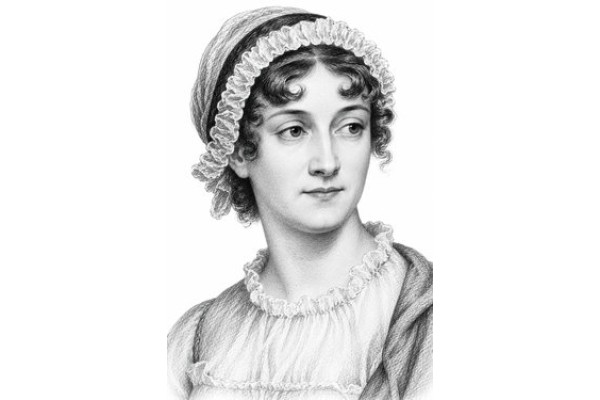
Jane Austen transformed the English novel by turning everyday life into enduring literature filled with wit, insight, and unforgettable characters. Born in Hampshire, England, in 1775, Austen wrote during a period of significant social change, yet her stories remain timeless because they focus on universal experiences such as love, family, personal growth, and the search for happiness. Explore Jane Austen books to discover the author's life, literary career, and access notable works, including Sense and Sensibility, Emma, Persuasion, Pride and Prejudice , and more.