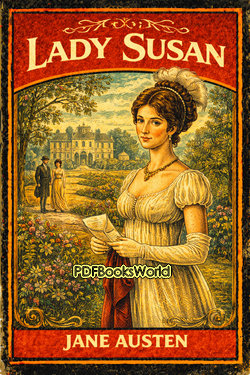
Lady Susan
by Jane Austen
Manipulation, Charm, and Social Intrigue in Jane Austen’s Most Unconventional Heroine
Before creating Elizabeth Bennet and Emma Woodhouse, Jane Austen wrote Lady Susan, a short but remarkably sharp novel centered on one of the most cunning and morally ambiguous characters in her fiction. Through letters exchanged among family members, friends, and admirers, Austen constructs a world of flirtation, deception, social strategy, and emotional manipulation hidden beneath polished manners and elegant conversation.
The result feels darker, bolder, and more satirical than many of Austen’s later novels.
A Heroine Unlike Any Other in Austen
Lady Susan Vernon is intelligent, beautiful, witty, and socially skilled, but she also uses charm as a weapon. Recently widowed and financially vulnerable, she moves through society carefully managing relationships for personal advantage.
She manipulates admirers, controls conversations, and attempts to arrange marriages that will improve her position and secure influence.
Unlike Austen’s more morally grounded heroines, Lady Susan often acts with calculated self-interest rather than emotional sincerity.
Her brilliance makes her both entertaining and unsettling.
The Novel Told Through Letters
Lady Susan uses the epistolary form, meaning the story unfolds entirely through written correspondence.
This structure allows readers to observe:
- Private thoughts hidden behind polite behavior
- Conflicting interpretations of events
- Social gossip and emotional strategy
- The contrast between appearance and reality
The letter format also increases the sense of intimacy and psychological tension.
Marriage as Strategy and Social Survival
Like much of Austen’s work, the novel examines marriage within a society shaped heavily by wealth, inheritance, and reputation.
However, Lady Susan treats these themes with sharper cynicism than Austen’s later romantic novels.
Relationships often appear transactional, strategic, or emotionally manipulative rather than idealized.
The novel repeatedly questions whether charm and intelligence necessarily lead to moral behavior.
Satire Beneath Polite Society
Austen uses elegant conversation and social etiquette to expose vanity, foolishness, and hypocrisy.
The comedy frequently emerges from:
- Characters misunderstanding one another
- Exaggerated displays of propriety
- Emotional self-deception
- The gap between public manners and private motives
The social world appears refined on the surface while concealing rivalry and manipulation underneath.
The Distinctive Style of Jane Austen
Even in this early work, Austen’s precision, wit, and psychological observation are already unmistakable. Dialogue and letters reveal character through subtle shifts in tone, politeness, and implication.
Her humor remains controlled and intelligent, allowing criticism to emerge naturally through social interaction.
The novel demonstrates Austen’s extraordinary ability to expose human weakness through conversation alone.
Why Lady Susan Still Fascinates Readers
Lady Susan remains compelling because its central character refuses to fit comfortably into traditional moral categories. Lady Susan’s intelligence and manipulative brilliance continue to intrigue readers who enjoy morally complex personalities and social satire.
For readers interested in Jane Austen, epistolary fiction, Regency society, and psychologically sharp comedy, the novel offers a fascinating glimpse of Austen exploring darker and more daring territory than many of her later works.
Similar Genres
About the Author
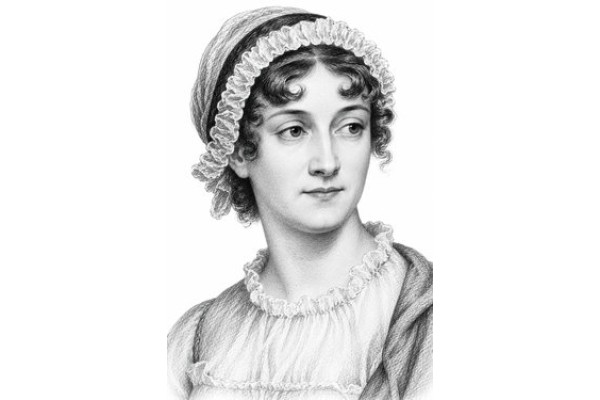
Jane Austen transformed the English novel by turning everyday life into enduring literature filled with wit, insight, and unforgettable characters. Born in Hampshire, England, in 1775, Austen wrote during a period of significant social change, yet her stories remain timeless because they focus on universal experiences such as love, family, personal growth, and the search for happiness. Explore Jane Austen books to discover the author's life, literary career, and access notable works, including Sense and Sensibility, Emma, Persuasion, Pride and Prejudice , and more.