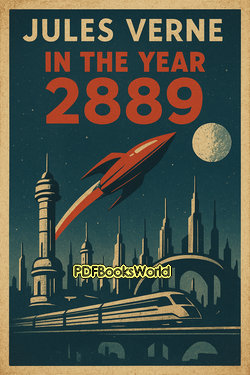
In the Year 2889
by Jules Verne
In the Year 2889: Jules Verne’s Vision of the Future
In the Year 2889 by Jules Verne offers readers a fascinating glimpse into a futuristic world shaped by technology, innovation, and rapid scientific advancement. Although written in the late nineteenth century, the story feels remarkably imaginative even today, presenting ideas that resemble many aspects of modern life.
Known for pioneering science fiction classics, Jules Verne once again demonstrates his extraordinary ability to predict future inventions and social changes. This short yet thought-provoking story explores what human civilization might become after centuries of technological progress.
A Journey into the Future
The story is set in the distant year 2889, where society has transformed dramatically through scientific achievement. Communication happens instantly across vast distances, transportation is faster than ever imagined, and machines perform tasks that once required human labor.
At the center of the story is Francis Bennett, a powerful newspaper owner living in a world where information travels globally within moments. Newspapers no longer rely solely on printed pages. Instead, news is delivered through advanced technologies that allow people to hear reports directly from journalists in real time.
Verne’s futuristic setting creates a world filled with flying vehicles, advanced medical treatments, automated systems, and technological conveniences that seemed impossible during his own era.
Plot Overview
The narrative follows a typical day in the life of Francis Bennett as he manages his enormous media empire. Through his experiences, readers discover the incredible technological developments that define the future world of 2889.
Scientific discoveries have reshaped nearly every part of daily life. People communicate through devices resembling modern video calls, transportation systems operate at astonishing speeds, and engineering achievements continue to push humanity beyond previous limits.
Despite all this progress, Verne subtly suggests that human nature itself remains largely unchanged. Ambition, competition, pride, and the pursuit of success still dominate society, even in this highly advanced civilization.
Themes Explored in the Story
1. Technological Innovation
The story celebrates the power of science and invention. Verne imagines technologies far ahead of his time, many of which resemble modern communication systems, global media networks, and advanced transportation.
His futuristic predictions reveal both excitement and curiosity about humanity’s potential to transform the world through knowledge and creativity.
2. The Evolution of Media
One of the most striking elements of the story is its vision of future journalism. Verne predicts a fast-moving media environment where information is shared instantly across the globe.
This concept strongly resembles today’s digital news platforms, live broadcasting, and internet-based communication.
3. Human Ambition
Although technology evolves dramatically, the story suggests that human desires remain consistent across centuries. Power, influence, and competition continue to shape society even in an age of extraordinary scientific achievement.
4. Optimism About the Future
Unlike darker science fiction stories that warn about technological disaster, In the Year 2889 presents the future with optimism and wonder. Verne portrays scientific advancement as a force capable of improving comfort, efficiency, and global connectivity.
Jules Verne’s Remarkable Predictions
Many readers are amazed by how accurately Jules Verne anticipated future inventions. His ideas about rapid communication, multimedia news delivery, advanced transportation, and global information systems closely resemble technologies used in the modern world.
While some concepts remain fictional, the story demonstrates Verne’s extraordinary imagination and his deep understanding of how science could shape civilization.
Writing Style and Atmosphere
Verne’s writing style combines scientific curiosity with imaginative storytelling. Rather than focusing heavily on action or conflict, the story creates fascination through detailed descriptions of futuristic inventions and social changes.
The tone remains energetic and optimistic, encouraging readers to imagine the endless possibilities of human progress.
Why the Story Still Matters
Even today, In the Year 2889 feels surprisingly relevant. Modern readers can easily recognize similarities between Verne’s imagined future and today’s world of instant communication, digital media, and technological dependence.
The story also raises timeless questions about how innovation changes society and whether technological progress truly changes humanity itself.
Final Thoughts
In the Year 2889 stands as a remarkable example of early science fiction imagination. Jules Verne created a futuristic vision that continues to impress readers with its creativity, optimism, and surprising accuracy.
Although written more than a century ago, the story remains engaging because it captures humanity’s endless fascination with the future. Through bold predictions and imaginative ideas, Verne reminds readers that science fiction is not only entertainment but also a powerful way to explore the possibilities of tomorrow.
Similar Genres
About the Author
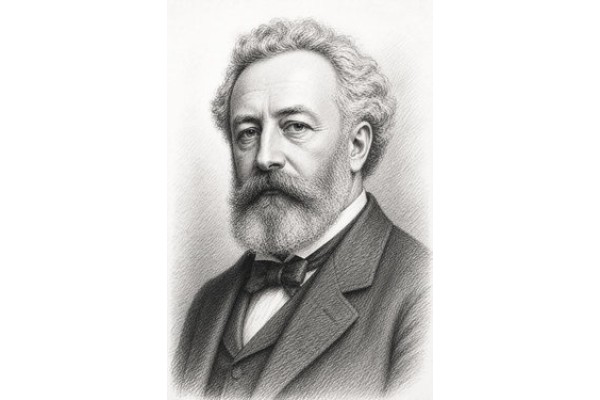
Jules Verne is celebrated as one of the founding fathers of science fiction, captivating readers with extraordinary adventures that blended scientific knowledge with boundless imagination. Explore Jules Verne books to discover the author's life, literary career, and access notable works, including Around the World in Eighty Days, From the Earth to the Moon, Twenty Thousand Leagues Under the Seas, A Journey to the Centre of the Earth , and more.