From the Earth to the Moon
by Jules Verne
Before Space Travel Became Reality: The Visionary World of From the Earth to the Moon
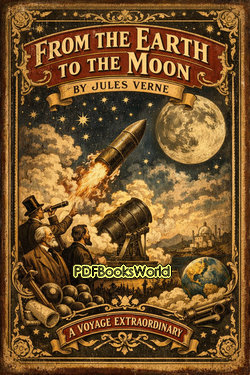
Decades before astronauts walked on the Moon, Jules Verne imagined a journey beyond Earth in his groundbreaking novel From the Earth to the Moon. Published during the nineteenth century, the book combined adventure, scientific imagination, and humor to create one of the earliest and most influential works of science fiction ever written.
The novel fascinated readers because it treated space travel not as fantasy magic but as a serious scientific possibility. That imaginative approach helped inspire generations of inventors, scientists, and writers long before modern space exploration became reality.
A Story That Looked Far Ahead of Its Time
The novel follows members of the Baltimore Gun Club, who decide to launch a projectile to the Moon using an enormous cannon. While the idea may sound unusual today, Verne filled the story with detailed calculations, engineering discussions, and scientific speculation that made the adventure feel surprisingly believable for its era.
Rather than focusing only on action, the book explores human ambition and curiosity about the unknown universe.
Elements That Made the Novel Revolutionary
- Scientific imagination mixed with adventure
- Detailed discussions about engineering and space travel
- Humorous and lively character interactions
- Early exploration of lunar travel concepts
- Blend of realism and speculative fiction
How Jules Verne Helped Shape Science Fiction
Jules Verne is often considered one of the founders of modern science fiction because he imagined technological achievements long before they existed. His stories encouraged readers to think about exploration, invention, and the future of human progress.
In From the Earth to the Moon, Verne transformed scientific curiosity into thrilling entertainment, showing how fiction could inspire real-world innovation.
Major Themes Found in the Novel
- The power of scientific ambition
- Human curiosity about space and discovery
- The relationship between technology and society
- Adventure through innovation and exploration
- The excitement of pushing beyond limits
Why the Novel Still Fascinates Modern Readers
Modern audiences often enjoy the novel because it offers a fascinating look at how people imagined space travel before rockets and modern astronomy. Readers are often surprised by how many details seem connected to later scientific developments.
The story also remains entertaining because of its humor, imagination, and optimistic vision of exploration and progress.
Readers interested in the history of space exploration often explore the early history of human space science and exploration to better understand how visionary ideas eventually became scientific reality.
The Lasting Legacy of Jules Verne
Jules Verne’s influence extends far beyond literature. His imaginative stories inspired scientists, filmmakers, inventors, and future generations of science fiction writers. Many modern space adventures still reflect ideas first explored in his novels.
His ability to combine scientific possibility with imaginative storytelling helped create a new literary genre that continues to thrive today.
Important Contributions to Literature
- Pioneered modern science fiction storytelling
- Inspired future scientific exploration
- Combined education with entertainment
- Expanded imaginative adventure literature
- Influenced countless writers and filmmakers
Why From the Earth to the Moon Still Matters
Even after more than a century, the novel continues to remind readers of humanity’s endless curiosity and desire to explore the unknown. Its imaginative vision reflects the optimism of scientific discovery and the belief that impossible ideas may someday become reality.
Final Thoughts
From the Earth to the Moon remains one of the most important works in the history of science fiction. Through bold imagination, scientific curiosity, and adventurous storytelling, Jules Verne created a novel that anticipated humanity’s fascination with space travel long before it truly began. Its lasting influence ensures its place among the great classics of imaginative literature.
Similar Genres
About the Author

Jules Verne is celebrated as one of the founding fathers of science fiction, captivating readers with extraordinary adventures that blended scientific knowledge with boundless imagination. Explore Jules Verne books to discover the author's life, literary career, and access notable works, including Around the World in Eighty Days, In the Year 2889, Twenty Thousand Leagues Under the Seas, A Journey to the Centre of the Earth , and more.