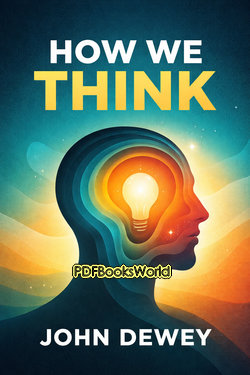
How We Think
by John Dewey
A Foundational Work on Thought, Learning, and Reflective Education
How We Think by John Dewey is one of the most influential books ever written about thinking, education, problem-solving, and human learning. In this important philosophical and educational work, Dewey explores how people develop ideas, reason through problems, form judgments, and learn through experience.
The book became highly influential in modern education because it challenged passive memorization and encouraged active, reflective thinking. Dewey believed that education should help individuals think independently, investigate problems carefully, and connect learning with real life.
The Educational Philosophy of John Dewey
John Dewey was one of the leading philosophers and educational reformers of the modern era. He believed that learning should not simply involve repeating information provided by authority figures. Instead, education should encourage curiosity, observation, questioning, experimentation, and reflection.
Dewey argued that people learn most effectively when they actively engage with ideas and experiences rather than passively receiving facts.
His educational philosophy helped shape progressive education movements throughout the twentieth century and continues to influence teaching methods today.
Main Ideas Explored Throughout the Book
How We Think examines several important concepts connected with reasoning and intellectual development.
- Reflective thinking and careful problem-solving
- The relationship between experience and learning
- Observation, inquiry, and critical analysis
- The importance of curiosity and intellectual discipline
- The role of education in developing independent thought
- The difference between routine thinking and genuine understanding
These ideas helped transform approaches to education and intellectual development.
The Importance of Reflective Thinking
One of Dewey's central arguments is that reflective thinking allows individuals to examine evidence, question assumptions, and make informed judgments rather than reacting automatically or emotionally.
He describes thinking as an active process involving investigation, doubt, reasoning, and testing ideas against experience.
This approach encourages learners to become more thoughtful, analytical, and intellectually independent in both education and everyday life.
Why Readers Continue to Study John Dewey
Readers continue to value Dewey's work because many of his ideas remain highly relevant in modern discussions about education, critical thinking, creativity, and learning.
The book offers:
- A thoughtful analysis of how human reasoning develops
- Insight into effective learning and teaching methods
- Encouragement toward intellectual independence
- A major contribution to modern educational philosophy
The work remains especially important for teachers, students, philosophers, and readers interested in psychology and learning theory.
The Writing Style of John Dewey
John Dewey writes in a logical and analytical style focused on explanation, observation, and philosophical reasoning. His work combines educational theory with practical examples connected to everyday thinking and classroom learning.
Although intellectually serious, the book emphasizes practical understanding rather than abstract speculation alone.
The careful structure of the argument reflects Dewey's belief in disciplined and reflective thought.
A Timeless Study of Learning, Reasoning, and Human Intelligence
Classic educational and philosophical works continue to remain meaningful because they explore how people learn, reason, solve problems, and develop intellectual independence.
How We Think by John Dewey remains a landmark work on education and reflective thought, continuing to influence discussions about learning, critical thinking, and the development of intelligent and thoughtful individuals.
Similar Genres
About the Author
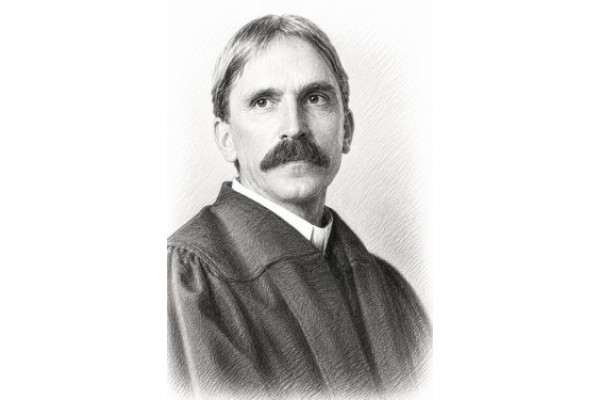
John Dewey was an American philosopher, psychologist, educator, and author whose ideas transformed modern education and profoundly influenced philosophy, democracy, and social thought. Born in Burlington, Vermont, in 1859, Dewey became the leading advocate of progressive education, emphasizing learning through experience, critical thinking, and active participation. Explore John Dewey books to discover the author's life, literary career, and access notable works, including Democracy and Education , and more.