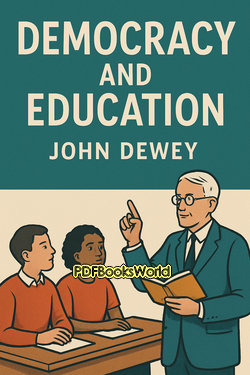
Democracy and Education
by John Dewey
An Influential Book on Modern Education
Democracy and Education by John Dewey is one of the most important books ever written about education and society. First published in 1916, the book explains how education plays a major role in building democratic communities and helping individuals grow intellectually and socially. Dewey believed that learning should be connected to real life experiences instead of simple memorization.
The book continues to influence teachers, schools, and educational systems around the world because of its practical and progressive ideas about learning.
About John Dewey
John Dewey was a famous American philosopher, psychologist, and educational reformer. He became widely known for his ideas about progressive education and democratic learning. Dewey believed that students learn best through active participation, problem-solving, and real-world experiences rather than passive classroom instruction.
Read more about John Dewey on Britannica.
Overview of the Book
In Democracy and Education, Dewey explains that education is not only about gaining knowledge from books. Instead, he describes education as a lifelong process that helps people become active and responsible members of society.
The book explores how schools should encourage creativity, communication, cooperation, and critical thinking. Dewey believed that democratic societies become stronger when education allows students to think independently and participate actively in community life.
Main Ideas in the Book
- Education Through Experience – Students learn better through practical activities and real experiences.
- Democracy in Education – Schools should promote equality, cooperation, and participation.
- Critical Thinking – Learning should encourage questioning and problem-solving rather than memorization.
- Social Development – Education helps individuals become responsible members of society.
Why the Book Is Important
Democracy and Education changed the way many educators think about teaching and learning. Dewey’s ideas encouraged schools to focus more on student engagement and interactive learning methods.
Many modern educational practices, including group discussions, project-based learning, and experiential learning, were influenced by Dewey’s philosophy.
Explore educational philosophy at Stanford Encyclopedia of Philosophy.
Themes Explored in the Book
One major theme is the relationship between education and democracy. Dewey believed that democratic societies depend on informed and thoughtful citizens. Schools therefore play an important role in preparing individuals for participation in public life.
Another important theme is personal growth. Dewey argued that education should develop both intellectual abilities and social skills. Learning should help individuals adapt to change and contribute positively to society.
The book also discusses communication, cooperation, and the importance of shared experiences in building healthy communities.
Why Readers Still Study This Book
Even after more than a century, Democracy and Education remains highly relevant. Teachers, students, researchers, and policymakers continue to study Dewey’s ideas because many of his educational principles are still used in classrooms today.
The book is especially valuable for readers interested in education, philosophy, sociology, and political science.
Lessons From Democracy and Education
The book teaches that education should prepare people not only for jobs but also for active participation in society. It encourages lifelong learning, open-minded thinking, and cooperation with others. Dewey’s work reminds readers that strong education systems are essential for healthy democracies.
Final Thoughts
Democracy and Education remains one of the most influential books on modern educational philosophy. John Dewey’s ideas about learning, democracy, and social growth continue to inspire educators around the world. Readers interested in understanding how education shapes society will find this classic work both insightful and thought-provoking.
Similar Genres
About the Author
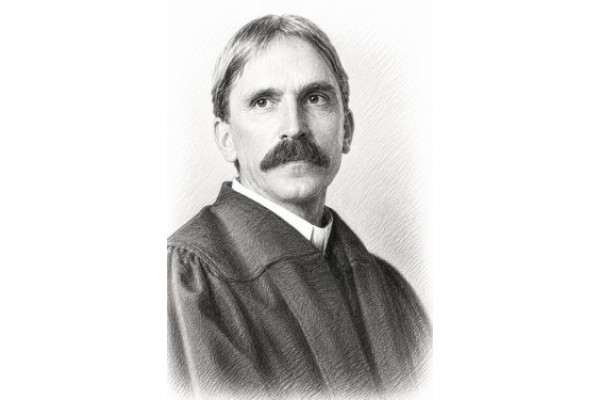
John Dewey was an American philosopher, psychologist, educator, and author whose ideas transformed modern education and profoundly influenced philosophy, democracy, and social thought. Born in Burlington, Vermont, in 1859, Dewey became the leading advocate of progressive education, emphasizing learning through experience, critical thinking, and active participation. Explore John Dewey books to discover the author's life, literary career, and access notable works, including How We Think , and more.