Herodotus
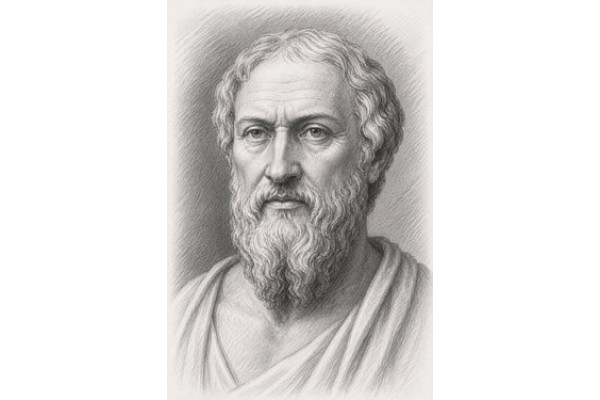
Herodotus was an ancient Greek historian whose pioneering work earned him the enduring title of the "Father of History." Born in Halicarnassus around 484 BC, Herodotus traveled extensively throughout the Mediterranean, Egypt, and parts of Asia, collecting eyewitness accounts, local traditions, and historical records. His curiosity about different peoples, cultures, and civilizations shaped a new approach to recording the past, blending careful observation with engaging storytelling. His writings remain among the most important surviving sources for the ancient world, preserving invaluable accounts of the Greco-Persian Wars and the customs of many early civilizations.
Recording the Stories of Ancient Civilizations
Herodotus believed that history should preserve the achievements and experiences of humanity so they would not be forgotten. His work explored the rise and fall of kingdoms, military campaigns, geography, religion, customs, and political institutions while emphasizing the influence of human character and fortune on historical events. Combining firsthand travel with interviews and research, he created vivid narratives that introduced readers to the cultures of Egypt, Persia, Scythia, Lydia, Babylon, and Greece. His engaging style transformed historical writing into a literary art while laying the foundations of historical inquiry.
Although later historians refined historical methods, Herodotus established the principle that history should investigate causes, compare sources, and preserve diverse perspectives. His remarkable curiosity and dedication to understanding different cultures continue to inspire historians, archaeologists, and readers around the world.
Essential Works
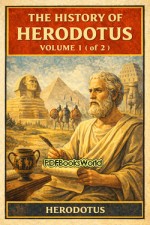
- The Histories is Herodotus's monumental masterpiece, recounting the causes and events of the Greco-Persian Wars while offering detailed descriptions of the peoples, cultures, and geography of the ancient world.
- Book I: Clio introduces the rise of Lydia and Persia while exploring the reigns of Croesus and Cyrus the Great.
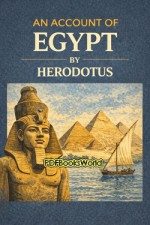
- Book II: Euterpe presents one of antiquity's most detailed descriptions of ancient Egypt, its history, customs, and remarkable civilization.
- Book III: Thalia chronicles the expansion of the Persian Empire under Cambyses and Darius, examining politics and imperial ambition.
- Book VII: Polyhymnia recounts Xerxes' invasion of Greece, describing one of the most dramatic military campaigns of the ancient world.
- Book IX: Calliope concludes the narrative with the decisive Greek victories that ended the Persian invasion and shaped the future of classical Greece.
An Enduring Legacy in Historical Writing
Herodotus's writings continue to serve as foundational works in the study of ancient history, archaeology, and classical civilization. From The Histories to its detailed accounts of Egypt, Persia, and the Greco-Persian Wars, his work preserves an extraordinary record of the ancient world while demonstrating the enduring value of curiosity, observation, and historical inquiry. His legacy remains central to the study of history and the civilizations that shaped the Western world.
If you enjoy ancient history, classical literature, archaeology, and the civilizations of Greece, Egypt, and Persia, the works of Herodotus are well worth exploring. At PDFBooksWorld, you can discover a carefully curated collection of his enduring writings and experience the remarkable storytelling of history's first great historian.