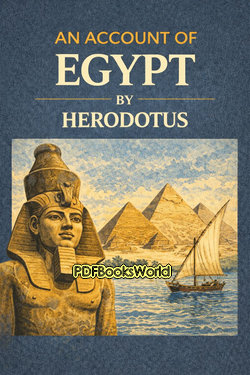
An Account of Egypt
by Herodotus
Ancient Egypt Through the Eyes of Herodotus in An Account of Egypt
An Account of Egypt by Herodotus offers one of the earliest and most famous descriptions of ancient Egyptian civilization written by a foreign traveler. Known as the “Father of History,” Herodotus combined travel observations, storytelling, historical inquiry, and cultural curiosity to create a vivid picture of Egypt during the ancient world.
The work remains valuable not only as history but also as an important example of early historical writing and cross-cultural exploration.
Herodotus and His Travels
Herodotus was a Greek historian who traveled widely during the 5th century BCE. During his journeys, he visited Egypt and became fascinated by its monuments, customs, religion, and way of life.
His writings describe:
- The Nile River and its importance
- Egyptian religious practices
- Pyramids and ancient monuments
- Social customs and traditions
- The history of Egyptian rulers
Many of his accounts combined direct observation with stories shared by local people.
The Importance of the Nile
One of Herodotus’s strongest interests was the Nile River, which he recognized as central to Egyptian civilization.
He explains how the Nile supported:
- Agriculture and farming
- Transportation and trade
- Economic stability
- The survival of communities in the desert landscape
His famous statement that “Egypt is the gift of the Nile” became one of the most quoted descriptions of the ancient kingdom.
Major Themes in the Work
Curiosity About Foreign Cultures appears throughout the text as Herodotus carefully records unfamiliar customs and beliefs.
Religion and Ritual also receive major attention, especially Egyptian worship practices and sacred traditions.
History and Memory shape the narrative as Herodotus attempts to preserve stories of rulers, events, and cultural achievements.
The Wonder of Ancient Civilization remains central to his descriptions of Egypt’s monuments and social organization.
Descriptions of Egyptian Society
Herodotus was deeply interested in how Egyptian society differed from Greek culture.
He discusses:
Burial customs, animal worship, priesthoods, clothing, food, laws, and the organization of Egyptian daily life.
Some descriptions are historically accurate, while others contain exaggerations or misunderstandings common in ancient travel writing.
Herodotus’s Storytelling Style
Herodotus combines historical reporting with narrative storytelling, making his work both informative and entertaining.
His style includes:
- Travel observations
- Historical anecdotes
- Cultural comparisons
- Legends and local stories
- Personal commentary
This mixture of history and storytelling helped shape the future development of historical writing.
Why the Work Still Matters
An Account of Egypt remains important because it provides insight into how the ancient world viewed Egyptian civilization.
The work continues to interest readers because of its:
- Historical importance
- Descriptions of ancient Egypt
- Early travel writing style
- Cultural observations
- Blend of history and legend
Even modern historians continue studying Herodotus to better understand both Egypt and ancient Greek perspectives.
The Birth of Historical Inquiry
Herodotus is often considered one of the first writers to systematically investigate historical events and cultural traditions.
Rather than simply recording myths, he attempted to:
- Compare different accounts
- Question sources
- Explain historical causes
- Preserve cultural knowledge
This approach made his work foundational to the study of history itself.
Who Should Read This Book?
An Account of Egypt is ideal for readers interested in:
Ancient history, Egyptian civilization, classical literature, travel writing, archaeology, and early historical scholarship.
Readers fascinated by the ancient world may find the work especially rewarding.
Final Thoughts
An Account of Egypt by Herodotus remains one of the most famous early descriptions of ancient Egyptian civilization. Through curiosity, storytelling, and historical observation, Herodotus created a rich portrait of a culture that deeply impressed the ancient world.
Combining history, travel, and cultural exploration, the work continues to offer valuable insight into both ancient Egypt and the beginnings of historical writing.
Similar Genres
About the Author
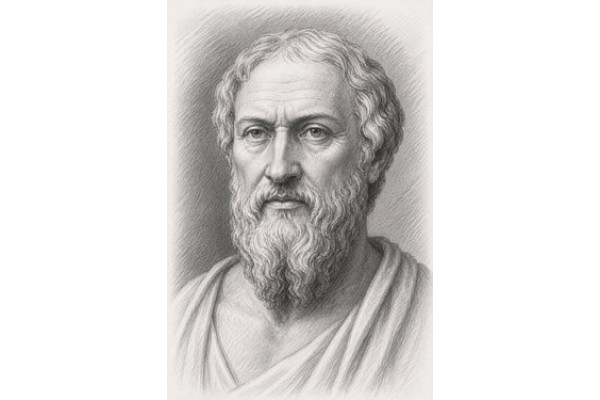
Herodotus was an ancient Greek historian whose pioneering work earned him the enduring title of the "Father of History." Born in Halicarnassus around 484 BC, Herodotus traveled extensively throughout the Mediterranean, Egypt, and parts of Asia, collecting eyewitness accounts, local traditions, and historical records. Explore Herodotus books to discover the author's life, literary career, and access notable works, including The History Of Herodotus, Volume 1 (of 2) , and more.