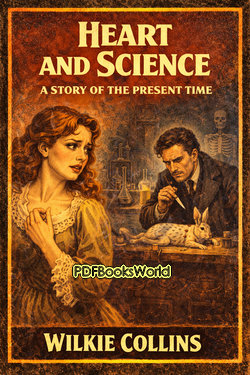
Heart and Science - A Story of the Present Time
by Wilkie Collins
Medicine, Morality, and Emotional Conflict in Modern Victorian Society
Heart and Science: A Story of the Present Time by Wilkie Collins is a socially conscious Victorian novel examining scientific experimentation, emotional compassion, medical ethics, and the conflict between intellectual ambition and human feeling. Blending domestic drama with social criticism and psychological tension, the novel reflects contemporary debates about science, morality, and the treatment of vulnerable individuals.
Collins combines emotional storytelling with sharp criticism of scientific cruelty carried out in the name of progress.
A Young Woman Encounters a Cold World of Science
The story centers on Carmina Graywell, a sensitive and emotionally fragile young woman whose life becomes entangled with physicians, scientific thinkers, and emotionally detached social circles.
As romantic relationships and family connections develop, Carmina finds herself increasingly threatened by a world that values scientific ambition and intellectual prestige over compassion and emotional understanding.
Medical experimentation, especially involving animals and vulnerable patients, becomes a central moral issue throughout the narrative.
Collins portrays certain scientific figures as brilliant yet emotionally cold, willing to sacrifice empathy in pursuit of knowledge and professional advancement.
The emotional atmosphere grows increasingly tense as love, illness, fear, and ethical conflict intersect.
The Figures Within the Moral and Emotional Drama
- Carmina Graywell: A gentle and emotionally vulnerable young woman struggling to preserve compassion and emotional security.
- The Scientists and Physicians: Intellectual figures divided between humane care and ruthless scientific ambition.
- The Romantic Allies and Protectors: Characters attempting to defend emotional sincerity and moral responsibility.
- The Social World of Victorian Respectability: A society balancing admiration for scientific progress against fear of moral decline.
The clash between emotional humanity and detached intellectualism shapes the novel’s central conflict.
When Knowledge Loses Compassion
One of the novel’s strongest ideas is that scientific progress becomes dangerous when separated from empathy and ethical responsibility. Collins does not reject science itself, but he strongly criticizes forms of research and professional ambition that ignore suffering in the pursuit of advancement.
The title reflects this central tension between “heart” and “science.”
Characters repeatedly confront the question of whether intelligence and progress possess value without kindness, emotional understanding, and moral restraint.
The novel therefore becomes both social criticism and emotional drama.
Major Themes Running Through the Novel
- Science and Medical Ethics: Collins questions scientific practices lacking compassion and moral responsibility.
- Emotion and Human Sympathy: Kindness and empathy emerge as essential forms of moral strength.
- Love and Emotional Protection: Relationships provide emotional refuge within a cold and judgmental society.
- Victorian Society and Intellectual Ambition: Professional prestige often conflicts with humanity and emotional care.
Collins’s Socially Engaged Storytelling
Heart and Science demonstrates Wilkie Collins’s ability to combine suspenseful fiction with contemporary social debate. While the novel includes romance, emotional conflict, and psychological tension, it also directly engages with real Victorian controversies surrounding medicine and experimentation.
Collins writes passionately and sympathetically, especially toward vulnerable individuals affected by emotional neglect and institutional coldness.
The narrative balances social criticism with intimate emotional storytelling.
Why the Novel Still Feels Relevant
Modern readers continue finding Heart and Science compelling because its ethical questions remain strikingly current. Debates surrounding medical ethics, scientific responsibility, emotional care, and the human cost of technological progress continue shaping modern society.
The novel also offers a powerful defense of compassion within systems increasingly driven by ambition and intellectual authority.
For readers interested in Victorian social fiction, medical ethics, emotional drama, and psychologically rich narratives about morality and human empathy, this work remains thoughtful, passionate, and deeply resonant.
Similar Genres
About the Author

Wilkie Collins earned a lasting reputation as one of the pioneers of modern mystery and sensation fiction. Born in London in 1824, he developed a storytelling style that combined suspense, memorable characters, and carefully constructed plots, keeping readers engaged from beginning to end. Explore Wilkie Collins books to discover the author's life, literary career, and access notable works, including The Moonstone, The Woman in White, After Dark, Basil , and more.