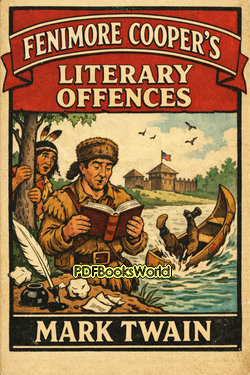
Fenimore Cooper's Literary Offences
by Mark Twain
Mark Twain Launches a Ruthless and Hilarious Attack on Bad Writing
Fenimore Cooper’s Literary Offences by Mark Twain is one of the sharpest and funniest works of literary criticism ever written. In this essay, Twain examines the novels of James Fenimore Cooper and aggressively criticizes what he sees as weak storytelling, unrealistic scenes, poor dialogue, and careless writing.
Rather than offering calm academic analysis, Twain turns literary criticism into comedy. His arguments are delivered with sarcasm, exaggeration, mock outrage, and relentless detail, making the essay entertaining even for readers unfamiliar with Cooper’s novels.
The piece remains famous not only because of its criticism, but because of Twain’s unforgettable style and comic energy.
Twain Accuses Cooper of Violating Basic Storytelling Rules
At the center of the essay is Twain’s claim that Cooper repeatedly ignores logic, realism, and clear narrative construction. He focuses especially on scenes from The Deerslayer and other frontier novels.
Twain humorously lists numerous “rules” of good writing that Cooper supposedly breaks.
His complaints involve:
- Impossible physical actions
- Unrealistic dialogue
- Confusing scenes and weak structure
- Excessive repetition
- Characters behaving irrationally
The sheer intensity of Twain’s criticism becomes part of the humor itself.
The Essay Works as Both Criticism and Comedy
Although Twain makes serious literary arguments, the essay succeeds largely because of its wit and dramatic presentation.
Mock Seriousness
Twain analyzes absurd details with exaggerated intensity, making small flaws sound like major crimes.
Comic Sarcasm
Many criticisms are delivered through irony and playful ridicule.
Exaggerated Outrage
Twain’s growing frustration becomes increasingly entertaining as the essay continues.
This theatrical style transforms literary criticism into performance.
Twain Defends Realism and Clear Writing
Beneath the humor lies a genuine argument about storytelling quality. Twain believed fiction should feel believable, emotionally convincing, and logically structured even when adventurous or dramatic.
The essay reveals his broader literary values:
- Characters should behave naturally
- Scenes should follow believable logic
- Language should remain clear and effective
- Adventure stories still require realism
- Writers should respect readers’ intelligence
These ideas reflect Twain’s own approach to fiction and narrative style.
The Piece Also Satirizes Literary Reputation
Part of Twain’s frustration comes from Cooper’s enormous popularity and respected literary reputation. The essay questions why readers and critics continue praising writing that Twain considers deeply flawed.
Public Admiration Versus Critical Judgment
Twain challenges the idea that fame automatically proves artistic quality.
The Power of Literary Tradition
He suggests readers sometimes overlook obvious weaknesses because of cultural reputation.
Humorous Destruction of Prestige
The essay delights in dismantling respected literary authority through ridicule.
This rebellious tone adds extra energy to the criticism.
The Writing Style Feels Fast, Sharp, and Relentless
Twain’s prose moves quickly, piling examples and sarcastic observations one after another. The essay feels almost conversational, as though an irritated but witty friend is passionately explaining every flaw in a book.
The humor relies heavily on:
- Detailed comic examples
- Dry understatement
- Sudden exaggeration
- Mock legal-style argument
- Confident personal opinion
This energetic style helps explain why the essay remains widely read today.
A Brilliant Blend of Satire and Literary Criticism
Fenimore Cooper’s Literary Offences remains memorable because it transforms literary criticism into sharp comic entertainment. Mark Twain uses wit, sarcasm, and detailed observation to challenge both a famous author and the cultural habit of accepting reputation without question.
Readers interested in satire, writing craft, and literary debate may find the essay especially enjoyable. Beneath the humor and exaggeration lies a serious argument about storytelling, realism, and the responsibility writers carry toward their readers.
Similar Genres
About the Author
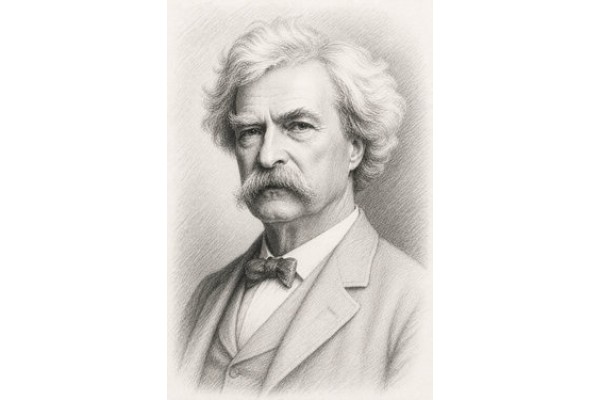
Mark Twain, the pen name of Samuel Langhorne Clemens, remains one of America's most beloved authors and humorists. Born in Missouri in 1835, he drew inspiration from his experiences along the Mississippi River, transforming everyday life into unforgettable stories filled with wit, adventure, and social insight. Explore Mark Twain books to discover the author's life, literary career, and access notable works, including Adventures of Huckleberry Finn, The Adventures of Tom Sawyer, Life on the Mississippi, Roughing It , and more.