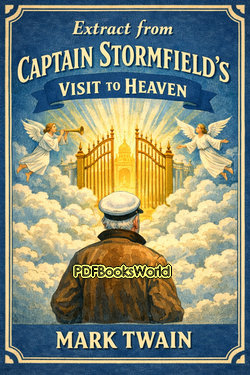
Extract from Captain Stormfield's Visit to Heaven
by Mark Twain
A Sailor’s Journey to Heaven Becomes a Bold Satire on Human Beliefs
Extract from Captain Stormfield’s Visit to Heaven by Mark Twain transforms the traditional idea of heaven into something humorous, imaginative, and surprisingly human. Instead of presenting a solemn or purely religious vision of the afterlife, Twain creates a lively satire filled with cosmic travel, mistaken expectations, and sharp observations about human assumptions.
The story follows the outspoken sailor Captain Stormfield, who dies and journeys toward heaven expecting a familiar and glorious destination. However, the reality he encounters is far more enormous, complicated, and unexpected than anything he imagined.
Through humor and exaggeration, Twain questions simplistic ideas about heaven while exploring broader themes involving identity, purpose, and human vanity.
The Journey Through Space Feels Vast and Comic
One of the story’s most memorable features is its imaginative description of traveling through the universe after death. Captain Stormfield quickly discovers that reaching heaven is not immediate or simple.
Instead of a mystical instant arrival, the trip becomes a long cosmic journey filled with confusion and surprise.
The narrative playfully explores:
- The enormous scale of the universe
- Human misunderstanding of eternity
- The limitations of earthly imagination
- The comic contrast between expectation and reality
This imaginative approach gives the story both humor and philosophical depth.
Heaven Looks Nothing Like Traditional Human Fantasy
When Captain Stormfield finally arrives, he realizes that many common human ideas about heaven are completely inaccurate.
No Uniform Glory
People are valued for their genuine abilities and personalities rather than social status or reputation.
Unexpected Occupations
Souls continue pursuing activities suited to their talents and interests.
Human Vanity Is Exposed
Many earthly ambitions appear ridiculous from a larger cosmic perspective.
Twain uses these discoveries to satirize human pride and narrow thinking.
The Humor Comes From Common Sense and Skepticism
Captain Stormfield narrates events with the blunt honesty and practical thinking of an experienced sailor. His straightforward reactions help ground the increasingly strange and cosmic situations.
The comedy often depends on:
- Dry observations about human behavior
- Unexpected practical details about heaven
- Comic disappointment of unrealistic expectations
- Satirical treatment of religious assumptions
- The contrast between cosmic scale and ordinary thinking
This style keeps the philosophical ideas entertaining and approachable.
Twain Questions Human Ideas About Success and Importance
Beneath the humor lies a broader critique of how people judge greatness and success during life. In heaven, social rank, fame, and public admiration matter far less than genuine talent and personal fulfillment.
The story quietly argues that:
- Many human ambitions are shallow or temporary
- People often misunderstand their own abilities
- Society rewards reputation more than true worth
- Real happiness comes from meaningful purpose
These reflections give the satire surprising emotional intelligence.
The Writing Blends Science, Fantasy, and Social Satire
Unlike traditional religious literature, Twain mixes cosmic imagination with practical humor and social criticism. Space travel, enormous celestial systems, and detailed heavenly organization are described almost scientifically at times.
Imaginative Cosmic Scale
The universe feels vast and far beyond ordinary human understanding.
Playful Realism
Even heaven operates with systems, routines, and unexpected complications.
Philosophical Curiosity
Twain treats spiritual ideas with humor but also genuine intellectual interest.
This unusual combination makes the story distinctive and memorable.
A Funny and Thought-Provoking Vision of the Afterlife
Extract from Captain Stormfield’s Visit to Heaven remains fascinating because it uses comedy to challenge human assumptions about heaven, success, and existence itself. Mark Twain replaces sentimental fantasy with a larger, stranger, and far more imaginative vision of eternity.
Readers interested in satire, speculative fiction, and philosophical humor may especially enjoy the story’s inventive ideas and sharp observations. Beneath the cosmic comedy lies a thoughtful reflection on how limited human understanding can be when faced with the vastness of the universe.
Similar Genres
About the Author

Mark Twain, the pen name of Samuel Langhorne Clemens, remains one of America's most beloved authors and humorists. Born in Missouri in 1835, he drew inspiration from his experiences along the Mississippi River, transforming everyday life into unforgettable stories filled with wit, adventure, and social insight. Explore Mark Twain books to discover the author's life, literary career, and access notable works, including Adventures of Huckleberry Finn, The Adventures of Tom Sawyer, Life on the Mississippi, Roughing It , and more.