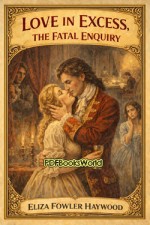
Eliza Fowler Haywood
Eliza Fowler Haywood, widely known as Eliza Haywood, was one of the most influential English novelists, playwrights, actresses, and publishers of the eighteenth century. A prolific writer during the early development of the English novel, she helped shape popular fiction through her vivid storytelling, psychological insight, and exploration of love, desire, and social expectations. Haywood's works attracted a wide readership and established her as one of the leading literary voices of her generation. Love in Excess remains her most celebrated novel, demonstrating her remarkable ability to blend romance, emotion, and social observation into a compelling narrative.
A Pioneer of the English Novel
Eliza Haywood wrote during a formative period in the history of English fiction, when novels were becoming an increasingly popular form of entertainment and social commentary. Her stories introduced readers to complex emotional relationships, moral dilemmas, and characters whose inner thoughts were explored with unusual depth. This emphasis on psychological realism helped distinguish her work from many earlier romances and contributed to the evolution of the modern novel.
Beyond fiction, Haywood also worked as a dramatist, editor, and publisher, demonstrating remarkable versatility throughout her literary career. Her contributions extended well beyond individual books, influencing the growth of periodicals and expanding opportunities for women in the literary world.
A Graceful and Expressive Style
Haywood's writing is characterized by elegant prose, vivid dialogue, and carefully developed emotional conflicts. She excelled at portraying the hopes, fears, and motivations of her characters, allowing readers to understand not only their actions but also the feelings that inspired them. Her narratives balance romance with thoughtful reflections on reputation, personal responsibility, and the expectations of society.
Although her novels often revolve around matters of the heart, they also offer perceptive observations about the limitations and opportunities experienced by women in eighteenth-century society. This combination of engaging storytelling and social insight continues to attract modern readers.
Exploring Love and Human Emotion
A recurring theme in Haywood's fiction is the relationship between passion, reason, and social convention. Her stories examine how love can inspire courage and happiness while also creating misunderstanding, jealousy, and personal conflict. Rather than presenting romance as simple fantasy, she explored its emotional and moral complexities, giving her characters greater realism and depth.
Love in Excess exemplifies these strengths through its intricate relationships, emotional intensity, and thoughtful portrayal of love's influence on individual lives. The novel established Haywood's reputation and remains an important example of early English romantic fiction.
Popular Works
- Love in Excess – A landmark romantic novel exploring passion, honor, and the complexities of human relationships.
- Fantomina – A celebrated novella examining identity, desire, and social convention.
- The History of Miss Betsy Thoughtless – A novel exploring marriage, independence, and personal growth.
- The Female Spectator – An influential periodical featuring essays on society, morality, and women's experiences.
- The British Recluse – A collection of stories reflecting Haywood's interest in emotion and human character.
An Enduring Literary Legacy
Eliza Haywood is now recognized as one of the pioneering figures of eighteenth-century English literature. Her novels, essays, and editorial work expanded the possibilities of fiction while giving greater attention to women's perspectives and emotional experience. Modern scholars continue to value her contributions for their influence on the development of the novel and their insightful exploration of relationships, identity, and society.
PDF Books World preserves carefully curated editions of Eliza Haywood's public domain works, allowing modern readers to rediscover the writings of an author whose imagination, literary innovation, and enduring understanding of human emotion helped shape the history of English fiction.