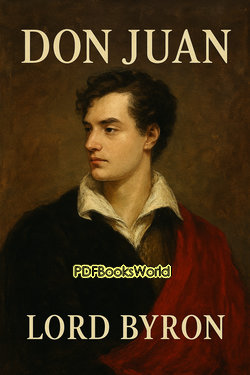
Don Juan
by Lord Byron
Don Juan: Lord Byron’s Bold Satire of Love, Society, and Adventure
Few classic poems are as entertaining and controversial as Don Juan by Lord Byron. Written in a witty and playful style, the poem mixes romance, humor, adventure, and sharp criticism of society. Even today, readers enjoy its lively storytelling and clever observations about human behavior. The work remains one of the greatest achievements of the Romantic era and continues to attract literature lovers around the world.
What Is Don Juan About?
Unlike earlier versions of the Don Juan legend, Byron’s poem presents the main character as more innocent than evil. Instead of being a ruthless seducer, Don Juan often becomes the victim of romance and temptation.
The story follows Don Juan across different countries and dramatic adventures. Throughout the poem, Byron combines comedy, romance, satire, and social criticism while exploring themes of love, politics, and human weakness. Although the work was never completed, it still stands as one of the most admired narrative poems in English literature.
Readers can learn more about the legendary character through Wikipedia’s Don Juan overview.
Why Byron’s Writing Still Feels Modern
One reason the poem remains popular is its conversational tone. Byron speaks directly to readers, sharing opinions and jokes in a relaxed way that feels surprisingly modern.
Byron’s unique style includes:
- Clever rhymes and playful language
- Sudden shifts between humor and serious reflection
- Honest commentary on society and politics
- Fast-moving adventures that keep readers engaged
The poem is also famous for using ottava rima, an Italian verse form that Byron transformed into a powerful comic style.
Major Themes in Don Juan
Love and Desire
Love appears throughout the poem, but Byron rarely treats it as perfect or ideal. Instead, he shows how attraction can create confusion, comedy, and heartbreak.
Society and Hypocrisy
Byron criticizes aristocrats, politicians, and social traditions. Through satire, he exposes dishonesty and vanity among the upper classes.
Adventure and Freedom
Don Juan travels across Europe and experiences danger, war, romance, and survival. These adventures create excitement while also revealing different cultures and social systems.
Human Nature
The poem explores weakness, ambition, pride, and emotion. Byron suggests that people are often driven by passion more than logic.
For literary analysis, students often consult CliffNotes on Don Juan for summaries and character discussions.
Why the Poem Was Controversial
When Don Juan was published, many readers were shocked by Byron’s open criticism of society and religion. His bold humor and treatment of romance caused strong reactions in nineteenth-century England.
Critics objected to:
- Its satirical attacks on powerful people
- Romantic and sensual content
- Byron’s unconventional opinions
- The poem’s playful treatment of serious topics
Despite criticism, the work became extremely influential and helped shape modern satirical poetry.
Lord Byron and the Romantic Movement
Romanticism celebrated imagination, emotion, and individual freedom. Byron became one of its most famous writers because of his rebellious personality and dramatic works.
Byron’s influence extended far beyond poetry. His writing inspired generations of authors and helped popularize the idea of the “Byronic hero,” a complex and rebellious character type that appeared in many later novels and poems. His blend of humor, emotion, and social criticism changed the direction of narrative poetry and made his work timeless.
More details about Byron’s life and achievements can be found at Britannica’s biography of Lord Byron.
Interesting Facts About Don Juan
- Byron began writing the poem in 1818.
- The work contains 17 cantos, though it was never completed.
- Many scholars consider it Byron’s masterpiece.
- The poem blends fiction with Byron’s personal opinions.
- Its humor influenced many later satirical writers.
Why Readers Still Enjoy Don Juan Today
Modern readers appreciate the poem because it feels lively, bold, and surprisingly relatable. Byron’s observations about politics, relationships, and society still connect with audiences centuries later.
The poem continues to appeal because of its:
- Fast-paced storytelling
- Intelligent humor
- Memorable characters
- Sharp social commentary
- Rich poetic language
For fans of classic literature, Don Juan remains an exciting introduction to Romantic poetry and one of the most entertaining long poems ever written.
Similar Genres
About the Author
George Gordon Byron, better known as Lord Byron, was one of the greatest poets of the Romantic movement and among the most celebrated literary figures of the nineteenth century. Born in London in 1788, Byron inherited the title of the sixth Baron Byron while still a child and quickly gained international fame for his passionate poetry, vivid imagination, and charismatic personality. Explore Lord Byron books to discover the author's life, literary career, and access notable works, including Childe Harold's Pilgrimage , and more.