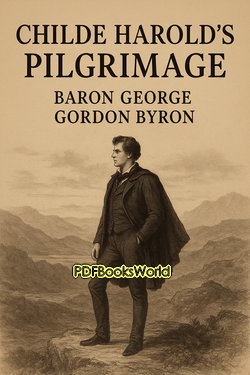
Childe Harold's Pilgrimage
by Lord Byron
A Romantic Journey Through Europe Filled With Adventure and Reflection
Childe Harold's Pilgrimage by Lord Byron is one of the most famous narrative poems of the Romantic era. First published between 1812 and 1818, the poem follows a young traveler named Childe Harold as he journeys across Europe searching for meaning, excitement, and emotional escape. Through vivid descriptions and personal reflections, Byron explores themes of loneliness, history, nature, and human ambition.
The poem became highly popular during Byron’s lifetime and helped establish him as one of the leading literary figures of the nineteenth century. It also introduced readers to the idea of the “Byronic hero,” a proud, mysterious, and emotionally troubled character who later influenced many works of literature.
About the Author
Lord Byron, also known as George Gordon Byron, was a famous English poet and a major figure in the Romantic movement. His works often focused on emotion, adventure, rebellion, and the beauty of nature. Byron was known for his dramatic lifestyle and powerful poetry, which attracted readers across Europe.
Through works like Childe Harold's Pilgrimage, Byron became internationally famous and greatly influenced Romantic literature and culture.
Main Themes of the Poem
The poem explores the emotional and physical journey of Childe Harold as he travels through different European countries. Along the way, he reflects on life, history, war, and personal disappointment.
Important Themes Discussed
- Adventure and travel
- Loneliness and emotional struggle
- The beauty of nature
- History and human conflict
Harold often feels disconnected from society and searches for peace while traveling through foreign lands. His emotional struggles became an important example of the Romantic fascination with individuality and deep personal feeling.
The Journey Across Europe
The poem takes readers through countries such as Portugal, Spain, Greece, Belgium, and Italy. Byron combines descriptions of landscapes and historical events with personal reflections about society and human nature.
Some sections discuss the effects of war and political change, while others focus on the beauty of mountains, oceans, and ancient ruins. These vivid scenes helped readers imagine distant places and experience the emotional atmosphere of the journey.
What Makes the Poem Unique
- Rich descriptions of European landscapes
- Strong emotional and philosophical reflections
- A memorable wandering hero
Writing Style
Byron’s writing style is emotional, descriptive, and dramatic. He combines poetic language with personal commentary, creating a strong connection between the narrator’s emotions and the surrounding world.
The poem is filled with detailed imagery, reflective passages, and powerful observations about history and society. Byron’s expressive style became one of the defining features of Romantic poetry.
Historical Importance
Childe Harold's Pilgrimage became one of the defining works of Romantic literature. It reflected the Romantic interest in emotion, individual freedom, nature, and historical reflection. The poem also helped popularize the image of the wandering and emotionally conflicted hero.
Historical Features
- Influence on Romantic literature
- Introduction of the Byronic hero
- Descriptions of post-Napoleonic Europe
The work influenced writers, artists, and musicians across Europe and remains one of Byron’s most celebrated achievements.
Lessons for Modern Readers
Modern readers can still appreciate the poem’s emotional depth, vivid travel descriptions, and reflections on human nature. Themes such as personal identity, emotional isolation, and the search for meaning continue to feel relevant today.
The poem also offers insight into European history and Romantic artistic ideals during the nineteenth century.
Conclusion
Childe Harold's Pilgrimage by Lord Byron remains a landmark work of Romantic poetry. Through adventure, reflection, and powerful imagery, Byron created a memorable journey that continues to inspire readers with its emotional honesty and literary beauty.
Similar Genres
About the Author
George Gordon Byron, better known as Lord Byron, was one of the greatest poets of the Romantic movement and among the most celebrated literary figures of the nineteenth century. Born in London in 1788, Byron inherited the title of the sixth Baron Byron while still a child and quickly gained international fame for his passionate poetry, vivid imagination, and charismatic personality. Explore Lord Byron books to discover the author's life, literary career, and access notable works, including Don Juan , and more.