
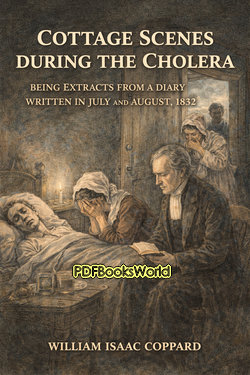
Cottage scenes during the cholera
by William Isaac Coppard
A Rural Perspective on Life During a Cholera Epidemic
Cottage Scenes During the Cholera by William Isaac Coppard is a nineteenth-century work that portrays the experiences of ordinary people living through the threat and reality of a cholera outbreak. Combining social observation with moral reflection, the book focuses on village and cottage life during a period when epidemic disease created fear, uncertainty, and hardship throughout many communities. Through its depiction of everyday individuals confronting extraordinary circumstances, the work provides valuable insight into both the human and social impact of a major public health crisis.
The book belongs to a tradition of literature that sought not only to describe events but also to draw lessons from them. Coppard examines how people responded to illness, loss, and uncertainty, highlighting the importance of compassion, faith, and community support.
The Shadow of Cholera
During the nineteenth century, cholera was one of the most feared diseases in Europe and beyond. Sudden outbreaks could devastate towns and villages, often spreading rapidly before effective medical interventions were available. The disease affected people across social classes, but poorer communities frequently suffered the most severe consequences.
In this work, the epidemic serves as the backdrop against which the lives of ordinary villagers unfold. The threat of illness influences daily routines, relationships, and decisions.
Life in the Countryside
The story focuses on rural households and village communities rather than large cities. Through descriptions of cottages, families, and local interactions, Coppard presents a detailed picture of country life during a difficult period.
This setting allows readers to see how communities relied upon one another in times of crisis. Neighbors offered assistance, shared resources, and provided emotional support when faced with sickness and loss.
Highlights of the Work
- Historical Setting: Rural life during a nineteenth-century cholera epidemic.
- Social Observation: Depictions of everyday people and their struggles.
- Community Life: The role of mutual support during hardship.
- Moral Reflection: Consideration of character and human responsibility.
- Public Health History: Insight into responses to epidemic disease.
The Human Response to Crisis
A central focus of the book is the way people react when confronted with danger and uncertainty. Some characters display courage, generosity, and resilience, while others struggle with fear or despair. These varied responses create a realistic portrayal of human nature under pressure.
Coppard suggests that adversity often reveals important qualities of character and provides opportunities for acts of kindness and selflessness.
Major Themes
- Community: The importance of helping others during difficult times.
- Compassion: Acts of kindness in the face of suffering.
- Faith: Spiritual reflection during periods of uncertainty.
- Resilience: Enduring hardship with courage and determination.
- Mortality: Awareness of life's fragility and value.
A Historical Record of Everyday Life
Beyond its literary qualities, the book offers a valuable glimpse into how ordinary people experienced a major health crisis. It reveals concerns, attitudes, and social relationships that official reports and medical records often overlook.
Such accounts help modern readers understand the personal dimensions of historical epidemics and the challenges communities faced before the development of modern public health systems.
Why the Book Remains Meaningful
Cottage Scenes During the Cholera remains significant because it combines historical insight with timeless human themes. Its portrayal of courage, compassion, and community during a period of crisis continues to resonate with readers.
For those interested in social history, public health, and nineteenth-century literature, the book provides an informative and moving perspective on life during one of the era's most feared epidemics. It stands as a reminder of both the vulnerabilities and strengths that emerge when communities confront adversity together.
Similar Genres
About the Author
William Isaac Coppard was an English clergyman, diarist, and religious writer whose firsthand observations provide an important historical record of one of the nineteenth century's most devastating public health crises. Serving as the incumbent of Plympton St. Mary in Devonshire, Coppard combined pastoral care with careful documentation of the 1832 cholera epidemic. Explore William Isaac Coppard books to discover the author's life, literary career, and access notable works.