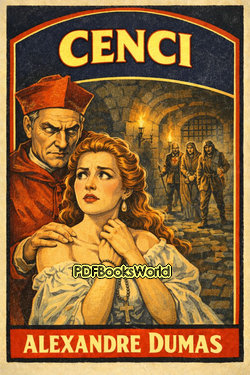
Cenci
by Alexandre Dumas
A Grim Renaissance Tragedy of Tyranny, Fear, and Desperate Resistance
Cenci by Alexandre Dumas is a dark historical drama inspired by the infamous story of the Cenci family in Renaissance Italy. Combining psychological torment, domestic oppression, political corruption, and tragic violence, the work examines how cruelty and unchecked authority can poison an entire household and drive individuals toward catastrophic choices.
Dumas transforms the historical legend into an emotionally intense narrative filled with dread, secrecy, and moral conflict.
A Noble Household Consumed by Terror
The story centers on the powerful and feared Count Cenci, a man whose cruelty, pride, and abuse dominate every aspect of family life. Within the walls of his household, fear replaces affection and obedience becomes a form of survival.
His daughter Beatrice Cenci struggles under this oppressive environment while attempting to preserve dignity and emotional strength.
As the Count’s behavior grows increasingly monstrous, the family becomes trapped within a world of silence, humiliation, and helplessness.
Eventually desperation leads toward conspiracy and violence, as those suffering beneath Cenci’s tyranny begin considering drastic action to escape his control.
The tragedy unfolds beneath an atmosphere of moral darkness and emotional suffocation.
The Figures Within the Tragic Narrative
- Count Cenci: A cruel and tyrannical patriarch whose abuse corrupts and destroys the family around him.
- Beatrice Cenci: A tragic young woman struggling to survive emotional and moral devastation.
- The Family Members and Servants: Individuals trapped between fear, loyalty, helplessness, and survival.
- The Religious and Political Authorities: Institutions whose power and indifference complicate justice and protection.
The growing tension between oppression and resistance drives the story toward inevitable catastrophe.
Power Without Morality
One of the work’s most disturbing ideas is that authority becomes monstrous when separated from conscience and accountability. Count Cenci rules his household through fear and domination, creating an environment where emotional and moral collapse spreads through every relationship.
Dumas also explores how extreme oppression can push victims toward morally tragic decisions.
The story refuses easy answers, instead presenting violence and resistance as part of a larger cycle of suffering and corruption.
The emotional weight comes from the sense that nearly everyone within the tragedy has already been spiritually damaged.
Major Themes Running Through the Drama
- Tyranny and Abuse: Unchecked personal power destroys trust, dignity, and human compassion.
- Fear and Emotional Imprisonment: Characters live within constant psychological oppression.
- Resistance and Desperation: Victims struggle to escape unbearable cruelty through dangerous choices.
- Justice and Corruption: Social and institutional systems fail to protect the vulnerable.
Dumas’s Exploration of Historical Darkness
Cenci reveals Alexandre Dumas working within a darker and more tragic emotional register than many of his adventure novels. The narrative emphasizes psychological suffering, gothic atmosphere, and moral tension rather than heroic action.
The Renaissance setting intensifies the sense of grandeur mixed with brutality and corruption.
Dumas portrays the story not simply as sensational tragedy, but as a study of how violence and power deform human lives.
Why the Story Continues to Haunt Readers
Modern readers continue finding Cenci powerful because its themes remain deeply relevant. Abuse of authority, domestic violence, institutional failure, and the psychological consequences of oppression continue resonating strongly today.
The tragic figure of Beatrice Cenci also remains emotionally compelling as a symbol of innocence trapped within unbearable cruelty.
For readers interested in historical tragedy, gothic drama, psychological conflict, and emotionally intense narratives about power and suffering, this work remains dark, disturbing, and unforgettable.
Similar Genres
About the Author

Alexandre Dumas captivated readers with thrilling adventures, unforgettable heroes, and stories that have stood the test of time. Born in France in 1802, he possessed an extraordinary gift for weaving history, romance, and action into novels that appealed to readers of every age. Explore Alexandre Dumas books to discover the author's life, literary career, and access notable works, including The Count of Monte Cristo, The Three Musketeers, The Royal Life Guard, The Man in the Iron Mask , and more.