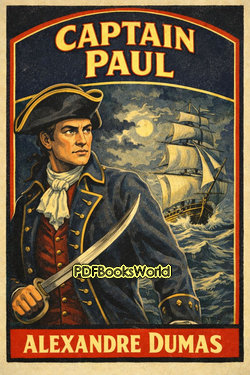
Captain Paul
by Alexandre Dumas
A Nautical Adventure of Courage, Honor, and Revolutionary Conflict
Captain Paul by Alexandre Dumas is a spirited maritime adventure novel blending naval warfare, political idealism, romance, loyalty, and personal bravery during the era of the American Revolutionary War. Inspired partly by the historical figure John Paul Jones, the story follows a daring sea captain whose courage and independence place him at the center of dangerous military and emotional conflicts.
The novel combines action-packed naval episodes with emotional drama and political tension in classic Dumas fashion.
A Fearless Captain Challenges Powerful Enemies
The story centers on Captain Paul, a bold and highly skilled naval commander fighting against oppressive power during a time of international warfare and revolutionary upheaval.
Operating upon dangerous seas filled with enemy ships, political spies, and shifting alliances, Captain Paul earns both admiration and fear through his daring tactics and uncompromising courage.
As military conflicts intensify, he also becomes entangled in complicated personal relationships involving loyalty, love, sacrifice, and social difference.
The sea itself remains a constant presence throughout the narrative, symbolizing freedom, danger, unpredictability, and heroic independence.
Dumas balances naval excitement with emotional and political conflict.
The Figures Within the Maritime Drama
- Captain Paul: A fearless and honorable naval commander driven by courage, justice, and personal independence.
- The Romantic Figures: Emotional relationships shaped by separation, danger, and conflicting loyalties.
- The Military and Political Opponents: Enemies attempting to defeat or control the rebellious captain.
- The Sailors and Companions: Loyal crew members sharing danger, hardship, and adventure at sea.
The interaction between personal loyalty and political struggle gives the novel much of its emotional energy.
Freedom and Honor on the Open Sea
One of the novel’s strongest ideas is that the sea represents both liberty and isolation. Captain Paul thrives because he refuses submission to fear, corruption, or rigid authority.
Dumas portrays maritime life as harsh and dangerous, yet also deeply connected to personal honor and independence.
The story repeatedly contrasts individual courage with political systems driven by ambition, hierarchy, and conflict.
Captain Paul emerges as a heroic figure precisely because of his refusal to surrender moral conviction under pressure.
Major Themes Running Through the Novel
- Freedom and Independence: The sea symbolizes personal liberty and resistance against oppression.
- Honor and Courage: Captain Paul confronts danger through bravery and unwavering principle.
- Loyalty and Sacrifice: Friendships and romantic bonds endure hardship and political conflict.
- War and Revolutionary Change: Naval conflict reflects larger struggles over power and justice.
Dumas’s Talent for Adventure Storytelling
Captain Paul demonstrates Alexandre Dumas’s remarkable ability to create energetic adventure fiction filled with movement, suspense, vivid characters, and emotional intensity.
The naval scenes feel dramatic and cinematic, while quieter moments preserve emotional depth and character development.
Dumas combines historical atmosphere with romantic adventure in ways that remain highly entertaining.
Why the Novel Still Appeals to Readers
Modern readers continue enjoying Captain Paul because it captures the timeless appeal of maritime adventure and heroic resistance against powerful enemies.
The themes of freedom, honor, courage, and loyalty continue resonating strongly across generations.
For readers interested in naval fiction, historical adventure, revolutionary-era storytelling, and emotionally engaging tales of bravery and independence, this novel remains exciting, dramatic, and richly entertaining.
Similar Genres
About the Author

Alexandre Dumas captivated readers with thrilling adventures, unforgettable heroes, and stories that have stood the test of time. Born in France in 1802, he possessed an extraordinary gift for weaving history, romance, and action into novels that appealed to readers of every age. Explore Alexandre Dumas books to discover the author's life, literary career, and access notable works, including The Count of Monte Cristo, The Three Musketeers, The Royal Life Guard, The Man in the Iron Mask , and more.