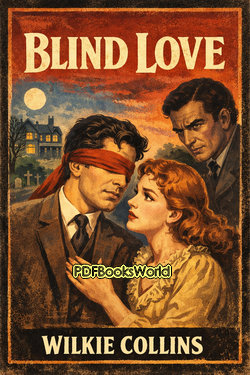
Blind Love
by Wilkie Collins
Passion, Illusion, and Emotional Ruin in a Final Victorian Sensation Drama
Blind Love by Wilkie Collins is a psychologically charged novel exploring obsession, manipulation, jealousy, emotional vulnerability, and the destructive consequences of love ungoverned by reason. Written near the end of Collins’s life and completed by another author after his death, the novel reflects many of the themes that defined his sensation fiction: hidden motives, moral ambiguity, emotional instability, and the dangerous gap between appearance and reality.
The story unfolds through a tense atmosphere of romantic uncertainty and psychological conflict.
A Dangerous Emotional Attachment Begins to Grow
The novel centers on Lord Harry Norland, a charming but morally reckless man whose emotional instability and selfish behavior gradually create suffering for those around him.
As relationships deepen and emotional attachments form, characters become trapped within cycles of attraction, distrust, jealousy, and manipulation.
Love repeatedly appears not as a source of clarity or comfort, but as a force capable of blinding judgment and weakening moral awareness.
Misunderstandings, secrecy, and emotional dependency slowly intensify the tension between the characters.
The narrative steadily moves toward tragedy as selfish desire and emotional illusion overpower honesty and responsibility.
The Figures Within the Emotional Conflict
- Lord Harry Norland: A charismatic yet irresponsible man driven by impulse, vanity, and emotional selfishness.
- The Women Around Him: Intelligent and emotionally vulnerable individuals struggling between affection, trust, and self-preservation.
- The Families and Social Circle: Victorian social structures shaped by reputation, marriage expectations, and moral judgment.
- The Observers and Advisers: Characters attempting to recognize danger hidden beneath charm and emotional attraction.
The emotional instability of the relationships gives the novel much of its suspense and tragic force.
When Love Clouds Judgment
One of the novel’s strongest ideas is that emotional desire can distort perception and encourage self-deception. Collins portrays love as potentially “blind” not only because people fail to recognize flaws in others, but also because they refuse to acknowledge painful truths about themselves.
Characters repeatedly ignore warning signs out of emotional longing, vanity, or fear of loneliness.
The story explores how charm and emotional performance may conceal selfishness and moral emptiness.
This psychological realism gives the novel enduring emotional power.
Major Themes Running Through the Novel
- Love and Self-Deception: Emotional attachment blinds characters to manipulation and danger.
- Charm and Moral Corruption: Attractive appearances conceal selfishness and irresponsibility.
- Jealousy and Emotional Instability: Romantic insecurity gradually intensifies conflict and suffering.
- Victorian Society and Reputation: Social expectations shape emotional decisions and personal freedom.
Collins’s Final Exploration of Sensation Fiction
Blind Love reflects Wilkie Collins’s continuing fascination with psychological conflict and emotional suspense even late in his literary career. The novel emphasizes inner tension and moral uncertainty more strongly than outward action.
Collins carefully builds emotional pressure through dialogue, misunderstanding, and shifting trust between the characters.
The atmosphere grows steadily darker as illusion gives way to painful recognition.
Why the Novel Still Feels Relevant
Modern readers continue finding Blind Love compelling because its themes remain highly recognizable. Emotional manipulation, toxic relationships, self-deception, and destructive attraction continue shaping modern psychological and romantic fiction.
The novel also preserves the gothic emotional intensity and suspenseful complexity associated with Victorian sensation literature.
For readers interested in psychological drama, Victorian fiction, tragic romance, and emotionally driven stories of obsession and illusion, this work remains intimate, unsettling, and memorable.
Similar Genres
About the Author
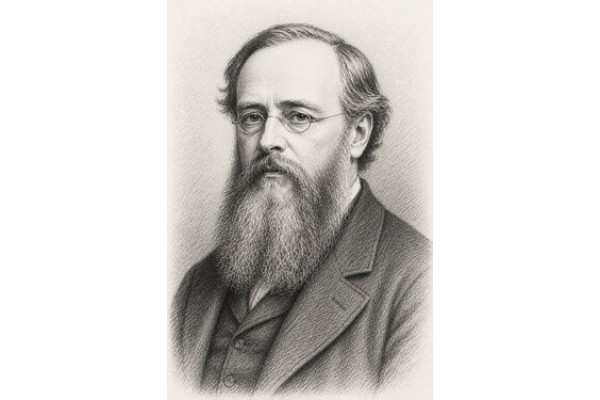
Wilkie Collins earned a lasting reputation as one of the pioneers of modern mystery and sensation fiction. Born in London in 1824, he developed a storytelling style that combined suspense, memorable characters, and carefully constructed plots, keeping readers engaged from beginning to end. Explore Wilkie Collins books to discover the author's life, literary career, and access notable works, including The Moonstone, The Woman in White, After Dark, Basil , and more.