Aeschylus
Aeschylus was one of the greatest playwrights of ancient Greece and is widely regarded as the father of Greek tragedy. Living during the fifth century BCE, he transformed theatre by introducing more complex characters, dramatic dialogue, and powerful storytelling. His plays explored timeless themes such as justice, fate, courage, family, and the relationship between human beings and the gods. Aeschylus believed that drama could both entertain and encourage thoughtful reflection on moral choices and human responsibility. His influence shaped the future of Western theatre, and his works continue to be studied and performed around the world.
A Pioneer of Greek Drama
Aeschylus helped establish tragedy as one of the highest forms of literature in ancient Greece. He expanded the possibilities of dramatic performance by introducing additional actors and creating richer dialogue, allowing characters to interact in more meaningful ways. His plays combined poetry, music, and powerful storytelling to present emotional conflicts that continue to resonate with modern audiences. Through these innovations, he laid the foundation for later playwrights such as Sophocles and Euripides.
Exploring Justice and Human Destiny
One of Aeschylus's greatest strengths was his ability to examine the consequences of human decisions. His dramas often portray individuals facing difficult moral choices while struggling against fate, pride, or the desire for revenge. Rather than offering simple answers, he encouraged audiences to think deeply about justice, responsibility, and the balance between personal ambition and the greater good. These universal themes have given his plays lasting significance across cultures and generations.
A Legacy That Shaped Literature
The influence of Aeschylus extends far beyond ancient Greece. His dramatic techniques, poetic language, and exploration of ethical questions inspired countless playwrights, poets, and scholars throughout history. His surviving plays remain essential works in the study of literature, theatre, and classical civilization. Even today, they continue to demonstrate the enduring power of storytelling to explore the deepest questions of human life.
Some of His Greatest Plays
- The Oresteia – A celebrated trilogy exploring justice, revenge, and the birth of law.
- The Persians – The earliest surviving Greek tragedy based on a historical event.
- Prometheus Bound – A powerful drama about defiance, suffering, and resilience.
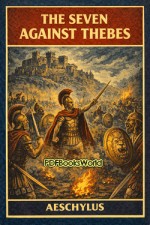
- The Seven Against Thebes – A tragedy depicting the struggle for power and the tragic fate of a royal family.
- The Suppliants – A drama examining mercy, protection, and moral responsibility.
An Enduring Master of Tragedy
Aeschylus remains one of the most influential figures in world literature because of his remarkable ability to combine poetic beauty with profound ideas about justice, fate, and human character. His tragedies continue to inspire readers, performers, and scholars through their emotional depth and timeless relevance. His lasting contribution to theatre ensures that his voice continues to be heard more than two thousand years after his plays were first performed.
Readers interested in classical literature and ancient Greek drama can explore The Seven Against Thebes and other works by Aeschylus at PDF Books World. The carefully prepared editions offer modern readers an opportunity to experience the enduring brilliance of one of history's greatest playwrights.