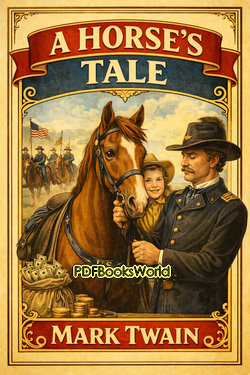
A Horse's Tale
by Mark Twain
A Loyal Horse Reveals the Kindness and Cruelty Hidden in Human Nature
A Horse’s Tale by Mark Twain tells an emotional and thoughtful story through the perspective of a horse observing the human world. Much like Twain’s A Dog’s Tale, the novella uses an animal narrator to expose both compassion and cruelty within society.
The story follows a horse named Katerina whose life becomes shaped by changing owners, public admiration, hardship, and human selfishness. Through her innocent observations, Twain quietly criticizes vanity, exploitation, and the careless treatment of animals while also highlighting moments of loyalty and affection.
The narrative balances humor, sadness, and social commentary in a way that feels simple on the surface but emotionally powerful underneath.
The Horse Narrator Sees Humans With Innocent Honesty
Katerina describes events with sincerity and trust, often failing to fully understand the selfish motives or cruelty surrounding her. This innocent perspective gives the story much of its emotional force.
The horse’s narration emphasizes:
- Loyalty and devotion toward humans
- Confusion about unfair treatment
- The emotional bond between animals and people
- The vulnerability of creatures dependent on human care
Because the narrator speaks without bitterness, the painful moments become even more affecting.
Fame and Success Bring Unexpected Consequences
As the story develops, Katerina gains attention and admiration for her abilities. Public praise and popularity seem positive at first, but Twain gradually reveals the darker side of fame and human ambition.
Public Admiration
People celebrate success while often ignoring the emotional cost behind it.
Exploitation
Animals become valued mainly for usefulness, entertainment, or status.
Changing Fortune
Affection and loyalty from humans can disappear quickly when circumstances change.
These ideas give the story emotional complexity beneath its simple style.
Twain Criticizes Human Vanity and Cruelty
Throughout the novella, Twain questions how society treats vulnerable creatures and how easily people justify selfish behavior.
The story quietly explores:
- The mistreatment of animals
- The emotional blindness created by greed and vanity
- The difference between genuine kindness and public performance
- The moral responsibility humans carry toward weaker beings
Twain’s criticism feels especially effective because it emerges through the innocent voice of the horse rather than direct anger.
The Writing Style Feels Clear and Emotional
Twain keeps the prose accessible and emotionally direct. The simplicity of the narration allows readers to focus on the emotional experiences and moral questions at the center of the story.
Gentle Storytelling Voice
The horse’s perspective creates warmth and emotional sincerity.
Gradual Emotional Development
The sadness increases slowly as the realities of human behavior become clearer.
Moments of Humor and Affection
Lighter scenes balance the more painful emotional themes.
This restrained style strengthens the novella’s impact.
The Story Reflects Twain’s Concern for Justice and Compassion
Late in his career, Twain increasingly wrote works criticizing cruelty, hypocrisy, and human selfishness. A Horse’s Tale continues these concerns while focusing especially on empathy and humane treatment.
The novella suggests:
- Animals experience loyalty, fear, and suffering deeply
- Human beings often misuse power over vulnerable lives
- True kindness requires responsibility and empathy
- Society frequently values appearance over compassion
These themes remain emotionally relevant today.
A Moving Twain Story About Loyalty and Human Responsibility
A Horse’s Tale remains memorable because it combines emotional storytelling with thoughtful social criticism. Mark Twain uses the voice of a loyal horse to reveal uncomfortable truths about fame, cruelty, selfishness, and the human tendency to overlook suffering.
Readers interested in animal-centered fiction and emotionally reflective storytelling may especially appreciate the novella’s sincerity and moral depth. Beneath its gentle narration lies a powerful appeal for compassion, responsibility, and respect toward vulnerable lives.
Similar Genres
About the Author
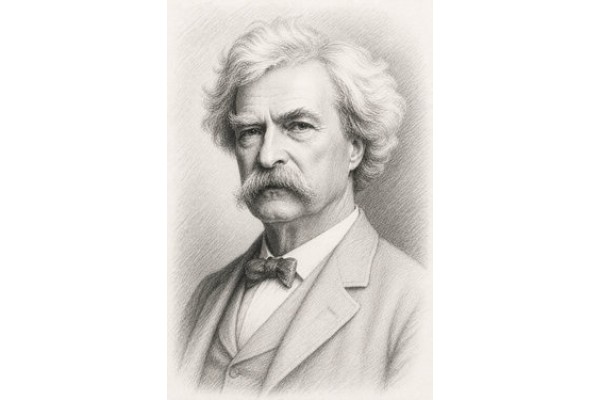
Mark Twain, the pen name of Samuel Langhorne Clemens, remains one of America's most beloved authors and humorists. Born in Missouri in 1835, he drew inspiration from his experiences along the Mississippi River, transforming everyday life into unforgettable stories filled with wit, adventure, and social insight. Explore Mark Twain books to discover the author's life, literary career, and access notable works, including Adventures of Huckleberry Finn, The Adventures of Tom Sawyer, Life on the Mississippi, Roughing It , and more.