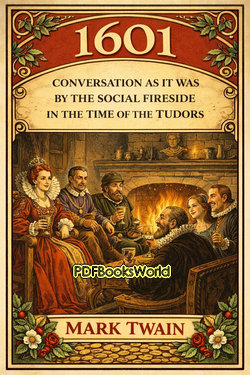
1601 - Conversation as it was by the Social Fireside in the Time of the Tudors
by Mark Twain
A Wildly Irreverent Comedy Hidden Behind Elizabethan Language
1601: Conversation as it was by the Social Fireside in the Time of the Tudors by Mark Twain is one of the author’s most unusual and controversial comic works. Written as a parody of Elizabethan conversation, the piece imagines a lively gathering in the court of Queen Elizabeth I where historical figures engage in shockingly informal, crude, and exaggerated discussion.
Twain deliberately imitates old English speech patterns and dramatic historical style while filling the dialogue with humor, satire, and outrageous social behavior. The contrast between elegant Tudor language and vulgar conversation creates much of the comedy.
The work was considered highly scandalous during its time because of its open humor and playful attack on social respectability.
The Story Takes Place in a Fictional Tudor Conversation
The narrative presents itself as though readers are secretly listening to an evening conversation among famous historical personalities from Elizabethan England.
Figures appearing in the dialogue include:
- Queen Elizabeth I
- William Shakespeare
- Sir Walter Raleigh
- Ben Jonson
- Other notable Tudor-era personalities
Rather than behaving with royal dignity or literary seriousness, these figures joke, gossip, tease one another, and engage in deliberately improper conversation.
Twain Uses Historical Style for Comic Effect
One of the piece’s most distinctive qualities is its imitation of Elizabethan English. Twain carefully copies the rhythm and vocabulary associated with Shakespearean drama and Tudor writing.
Mock Historical Authenticity
The language sounds formal and old-fashioned even while discussing ridiculous subjects.
Comic Contrast
Elegant phrasing is constantly paired with crude humor and playful absurdity.
Literary Parody
Twain gently mocks historical romanticism and exaggerated respect for the past.
This stylistic imitation gives the work much of its originality and humor.
The Humor Depends on Shock and Exaggeration
Twain intentionally pushes social boundaries throughout the piece. The comedy comes from hearing famous historical figures behave in ways completely opposite from their formal public image.
The work relies heavily on:
- Bold irreverence
- Exaggerated social informality
- Crude jokes and comic embarrassment
- Satire of respectability and politeness
- The unexpected collision between high culture and low humor
This approach made the work controversial but also memorable.
The Piece Quietly Criticizes Social Pretension
Beneath the outrageous humor lies Twain’s skepticism toward artificial respectability and historical idealization. By presenting legendary cultural figures behaving like ordinary people, he challenges the tendency to treat historical icons as untouchable symbols.
The story suggests:
Great Figures Are Still Human
Even famous intellectuals and rulers may possess ordinary flaws and crude humor.
Politeness Can Be Artificial
Social manners often hide natural human behavior and emotion.
History Is Frequently Romanticized
People tend to imagine the past as more dignified and refined than reality.
These satirical ideas strengthen the work beyond simple shock comedy.
The Writing Feels Theatrical and Performative
The entire piece reads almost like a stage performance or dramatic sketch. Characters interrupt one another, react dramatically, and exchange rapid dialogue filled with comic timing.
The energetic conversation creates a lively atmosphere where the humor depends heavily on rhythm, exaggeration, and verbal performance rather than plot.
This theatrical quality reflects Twain’s strong understanding of comic storytelling and spoken humor.
An Unusual and Bold Example of Twain’s Comic Satire
1601 remains fascinating because it combines historical parody, social satire, and outrageous humor in a way few nineteenth-century writers would have attempted openly. Mark Twain uses Tudor-style language not to celebrate historical greatness, but to humorously expose the gap between public dignity and ordinary human behavior.
Readers interested in literary parody, historical satire, and Twain’s more rebellious comic writing may find the piece especially entertaining. Beneath the playful scandal and exaggerated dialogue lies a clever critique of social pretension and historical idealization.
Similar Genres
About the Author
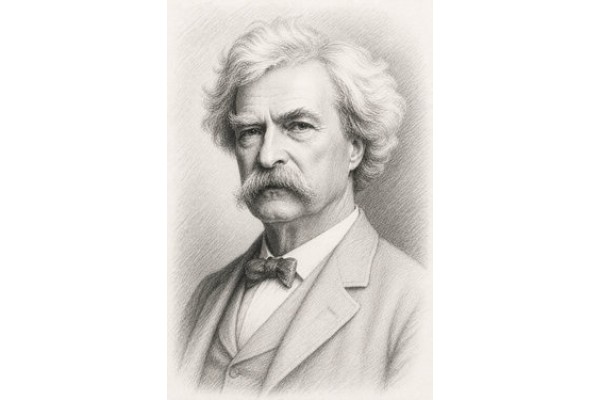
Mark Twain, the pen name of Samuel Langhorne Clemens, remains one of America's most beloved authors and humorists. Born in Missouri in 1835, he drew inspiration from his experiences along the Mississippi River, transforming everyday life into unforgettable stories filled with wit, adventure, and social insight. Explore Mark Twain books to discover the author's life, literary career, and access notable works, including Adventures of Huckleberry Finn, The Adventures of Tom Sawyer, Life on the Mississippi, Roughing It , and more.