
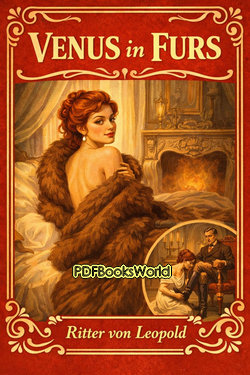
Venus in Furs
by Ritter von Leopold
A Psychological Novel Exploring Desire, Power, and Obsession
Venus in Furs by Leopold von Sacher-Masoch is a controversial and psychologically complex nineteenth century novel that examines love, obsession, fantasy, and emotional power within romantic relationships. Blending philosophical reflection with intense emotional drama, the novel became historically significant for its exploration of domination, submission, and human desire.
The book remains widely discussed not only because of its provocative themes but also because of its influence on psychology, literature, and cultural discussions surrounding relationships and personal identity.
A Man Fascinated by Fantasy and Emotional Control
The story centers on Severin von Kusiemski, an intellectual and emotionally intense man who becomes fascinated by the idea of surrendering power within a romantic relationship. His idealized fantasies focus on Wanda von Dunajew, a beautiful and intelligent woman whose personality gradually becomes more complex and dominant as their relationship develops.
What begins as romantic fascination slowly transforms into a psychologically charged struggle involving emotional dependence, humiliation, and control.
The Relationship Between Desire and Power
One of the novel’s central concerns is the connection between emotional desire and power dynamics. Severin willingly seeks situations that place him in emotionally vulnerable positions, believing suffering and submission are connected to love and devotion.
As the relationship deepens, however, fantasy begins colliding with reality, leading to emotional conflict and personal disillusionment.
Characters
- Severin von Kusiemski – An intellectual man driven by romantic obsession and emotional fantasy
- Wanda von Dunajew – A strong and intelligent woman whose role within the relationship becomes increasingly dominant
- Social acquaintances and observers reflecting nineteenth century attitudes toward love and gender
- Characters shaped by desire, pride, emotional dependence, and psychological conflict
The emotional tension between Severin and Wanda forms the heart of the novel’s psychological exploration.
Themes
- The relationship between desire and emotional power
- Fantasy versus reality within romantic relationships
- Obsession, dependence, and personal identity
- The complexity of gender roles and emotional control
- The psychological consequences of idealized love
These themes helped make the novel influential within literary and psychological discussions.
Leopold von Sacher-Masoch’s Reflective and Psychological Style
The novel combines emotional introspection with philosophical conversation and psychological observation. Much of the narrative focuses on inner thought, emotional conflict, and the changing balance of control between the characters.
The intense personal perspective gives the story an atmosphere that feels emotionally intimate and psychologically revealing.
A Historically Influential Literary Work
Venus in Furs became historically important because its themes influenced later psychological and cultural discussions. The term “masochism” itself was later derived from the author’s name because of the novel’s exploration of emotional submission and suffering.
Beyond controversy, the work is often studied as an examination of psychology, fantasy, and the emotional complexities of human relationships.
Why the Novel Continues to Be Studied
Venus in Furs remains significant because of its psychological depth, literary influence, and challenging exploration of emotional power and desire. The novel raises complicated questions about love, identity, fantasy, and control that continue to attract scholarly and cultural attention.
For readers interested in psychological fiction, controversial literary classics, and nineteenth century philosophy of relationships, the novel offers an intense and thought-provoking reading experience.
Similar Genres
About the Author
Leopold von Sacher-Masoch was an Austrian novelist, journalist, and thinker whose works explored human emotions, social customs, power, and relationships. Writing during the nineteenth century, he became known for creating stories that examined the complexities of love, personal identity, and the influence of society on individual behavior. Explore Ritter von Leopold books to discover the author's life, literary career, and access notable works.