
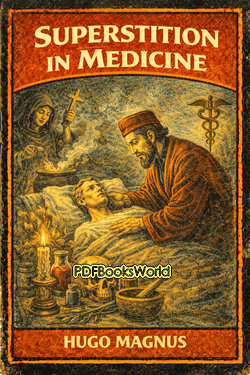
Superstition in Medicine
by Hugo Magnus
When Fear and Belief Influenced the History of Healing
Superstition in Medicine by Hugo Magnus explores the powerful role that myths, magical beliefs, and cultural fears played in the development of medical practices throughout history. The book examines how people once explained illness through superstition long before scientific medicine became widely understood.
Magnus presents a fascinating study of how ancient societies connected disease with curses, spirits, astrology, and supernatural forces. At the same time, the book shows how medicine gradually moved toward observation, research, and scientific reasoning.
The Origins of Medical Superstition
In earlier centuries, people had limited knowledge about the causes of illness. Without scientific explanations for infection or disease, many communities turned to religious rituals, magical remedies, and folk traditions.
Illness was sometimes believed to be punishment from supernatural powers or the result of evil influences. These beliefs shaped healthcare practices across many cultures for hundreds of years.
Strange Remedies and Historical Beliefs
The book discusses a variety of unusual treatments and medical customs once considered effective. Some remedies involved charms, symbolic objects, prayers, or rituals rather than physical medicine.
Magnus explains how these practices reflected the fears and limited scientific understanding of earlier societies. Although many methods now seem irrational, they reveal how strongly people desired protection from disease and suffering.
Important Ideas Explored in the Book
- The connection between religion and early medicine
- Ancient beliefs about disease and supernatural forces
- Magical cures and symbolic healing practices
- The gradual rise of scientific medical thinking
- The influence of fear and tradition on healthcare
These themes help readers understand how medical knowledge evolved over time.
The Conflict Between Science and Superstition
One of the book’s central ideas is the struggle between scientific progress and deeply rooted belief systems. Even as medical science improved, many superstitions continued to influence public behavior and treatment choices.
Magnus shows how education, experimentation, and scientific observation slowly challenged older traditions. This transition played a major role in shaping modern medicine.
A Historical Study With Psychological Insight
Superstition in Medicine is not only about strange historical practices. The book also examines human psychology and the ways fear can shape behavior. People often trusted magical remedies because they offered emotional comfort during times of uncertainty.
This broader perspective makes the work both historically informative and socially insightful.
Why the Book Remains Relevant Today
Although modern medicine is based on science, the book reminds readers that misinformation and irrational beliefs can still influence healthcare decisions. The themes explored by Hugo Magnus continue to feel surprisingly modern in discussions about public trust, alternative remedies, and medical myths.
For readers interested in medical history, psychology, or cultural studies, Superstition in Medicine offers an engaging exploration of humanity’s long struggle to separate scientific truth from fear and superstition.
Similar Genres
About the Author
Hugo Magnus was a German physician, medical historian, and author whose writings explored the fascinating relationship between medicine, science, and human belief. Alongside his medical practice, he developed a strong interest in the history of healthcare and the ways in which ancient customs, myths, and superstitions influenced medical treatment over the centuries. Explore Hugo Magnus books to discover the author's life, literary career, and access notable works.