
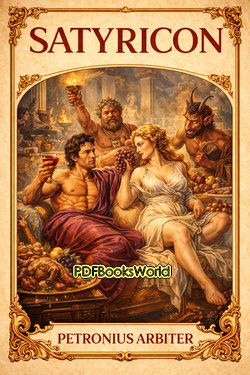
Satyricon
by Petronius Arbiter
A Wild and Satirical Journey Through the Excesses of Ancient Rome
Satyricon by Petronius Arbiter is one of the most unusual and influential surviving works from ancient Roman literature. Combining satire, adventure, comedy, and social criticism, the fragmented novel presents a vivid and often chaotic portrait of Roman society filled with extravagance, deception, ambition, pleasure, and moral decay.
Written during the Roman Empire, the work stands apart because of its lively realism and sharp observations about wealth, vanity, and human behavior. Through wandering adventures and outrageous encounters, Petronius exposes the absurdities and excesses of elite Roman culture.
A Wandering Narrative Filled With Chaos and Misadventure
The story follows Encolpius and his companions as they travel through cities and social gatherings while becoming involved in strange situations, arguments, romantic complications, and comic disasters.
Unlike traditional heroic epics, the narrative focuses on flawed and often selfish individuals struggling through unpredictable events. The fragmented structure adds to the feeling of confusion and instability within the world of the story.
A Sharp Portrait of Roman Society
One of the most famous sections of the work is the extravagant banquet hosted by Trimalchio, a wealthy and vulgar former slave obsessed with displaying luxury and social importance.
Through scenes like this, Petronius satirizes greed, vanity, pretension, and the obsession with wealth that shaped parts of Roman society.
Characters
- Encolpius – The wandering narrator caught in a series of chaotic adventures
- Giton – A young companion whose relationships create emotional and comic tension
- Ascyltos – A rival and traveling companion often involved in conflict and competition
- Trimalchio – A wealthy host symbolizing excess, vanity, and social ambition
- Merchants, entertainers, nobles, and travelers reflecting the diversity and corruption of Roman life
The colorful personalities help create the work’s lively and unpredictable atmosphere.
Themes
- The corruption and excess of wealth and luxury
- The instability of identity and social status
- The absurdity and unpredictability of human behavior
- The contrast between appearance and reality
- The moral decline and vanity of society
These themes give the work both comic energy and social significance.
Petronius’s Realistic and Satirical Writing Style
Petronius writes with wit, irony, and vivid realism. His dialogue captures the voices of different social classes while his descriptions of feasts, streets, and gatherings create a lively picture of Roman daily life.
The mixture of humor, vulgarity, and social observation makes the work feel surprisingly modern in tone.
A Unique Survival From Ancient Literature
Satyricon survives only in incomplete form, which adds mystery and fascination to the work. Despite its fragmented condition, it remains one of the most important literary portrayals of everyday Roman society outside formal historical writing.
The novel’s unconventional style influenced later satire, picaresque fiction, and realistic storytelling across European literature.
Why Satyricon Continues to Be Studied
Satyricon remains significant because of its vivid social satire, lively realism, and historical importance within classical literature. Petronius offers a fascinating view of Roman culture that combines humor, criticism, and dramatic storytelling.
For readers interested in ancient history, satire, and classical literature, the work provides a bold and entertaining journey through the extravagant and chaotic world of imperial Rome.
Similar Genres
About the Author
Petronius Arbiter was a Roman author and satirist best known for creating one of the most distinctive works of classical Latin literature. Believed to have lived during the reign of Emperor Nero, he was admired for his wit, refined taste, and sharp observations of Roman society. Explore Petronius Arbiter books to discover the author's life, literary career, and access notable works.