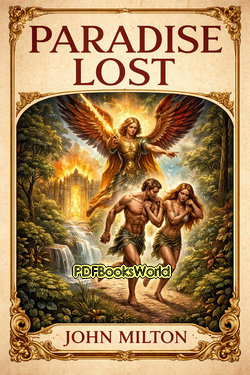
Paradise Lost
by John Milton
An Epic Poem About Rebellion, Temptation, and Human Destiny
Paradise Lost by John Milton is one of the greatest achievements in English literature and one of the most influential epic poems ever written. Combining religious themes, philosophical reflection, dramatic conflict, and poetic grandeur, the work retells the biblical story of humanity’s fall from innocence through the rebellion of Satan and the temptation of Adam and Eve.
Written in majestic blank verse, the poem explores profound questions about freedom, obedience, pride, justice, temptation, and redemption while presenting a vast cosmic vision that stretches from Heaven to Hell and Earth.
The Fall of Satan and the War in Heaven
The poem begins after Satan and his followers have been cast out of Heaven following their rebellion against God. Refusing to accept defeat, Satan resolves to continue opposing divine authority by corrupting God’s newest creation: humanity.
Milton portrays Satan as a powerful and complex figure whose pride, ambition, and determination drive much of the poem’s dramatic energy.
Adam, Eve, and the Loss of Innocence
At the center of the story are Adam and Eve living peacefully in the Garden of Eden. Their innocence, love, and harmony represent humanity before corruption and suffering entered the world.
Through temptation and disobedience, however, they eventually fall from grace, bringing pain, mortality, and moral struggle into human existence.
Characters
- Satan – The proud and rebellious fallen angel opposing divine authority
- Adam – The first man, struggling with obedience and human weakness
- Eve – The first woman whose curiosity and emotional vulnerability influence the fall
- God – The divine ruler representing justice, authority, and creation
- Raphael and other angels guiding and warning humanity
The interactions between these figures create the poem’s emotional, philosophical, and spiritual depth.
Themes
- The conflict between obedience and rebellion
- Pride, ambition, and the desire for power
- Free will and moral responsibility
- Temptation, innocence, and the fall of humanity
- The possibility of redemption and hope after suffering
These themes have made the poem central to literary, philosophical, and religious discussion for centuries.
John Milton’s Majestic Poetic Style
Milton writes with extraordinary poetic richness and intellectual complexity. His long, flowing sentences, vivid imagery, and elevated language create a sense of grandeur appropriate to the poem’s cosmic scale.
The epic style draws inspiration from classical writers such as Homer and Virgil while also addressing deeply Christian themes and philosophy.
A Work of Immense Literary Influence
Paradise Lost influenced countless writers, poets, philosophers, and artists. Its portrayal of Satan, in particular, became one of literature’s most debated and fascinating characterizations.
The poem’s exploration of freedom, authority, and human suffering continues to inspire interpretation and discussion across many fields of study.
Why Paradise Lost Continues to Be Studied
Paradise Lost remains important because of its poetic brilliance, philosophical depth, and emotional power. Milton transforms a biblical narrative into a vast exploration of human nature, moral choice, and spiritual struggle.
For readers interested in epic poetry, classical literature, philosophy, and religious themes, the poem offers a monumental and intellectually rewarding literary experience.
Similar Genres
About the Author
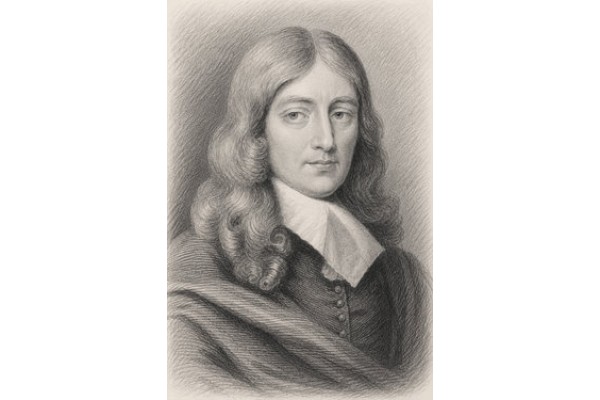
John Milton was one of England's greatest poets, scholars, and political thinkers, whose monumental works transformed English literature and continue to inspire readers across the world. Born in London in 1608, Milton received a classical education at Cambridge before dedicating his life to poetry, public service, and intellectual inquiry. Explore John Milton books to discover the author's life, literary career, and access notable works, including The Poetical Works of John Milton , and more.