
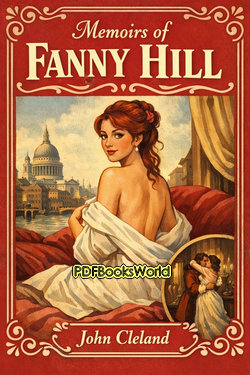
Memoirs Of Fanny Hill
by John Cleland
A Controversial Classic of Eighteenth Century Literature
Memoirs Of Fanny Hill by John Cleland, also known as Fanny Hill: Memoirs of a Woman of Pleasure, is one of the most debated and historically controversial novels in English literature. First published during the eighteenth century, the book became famous for its candid treatment of relationships, desire, morality, and social life in London.
Beyond its controversial reputation, the novel also serves as a portrait of survival, social ambition, and emotional experience within a society shaped heavily by class, wealth, and gender expectations. Cleland combines personal narration with detailed observations of urban life, creating a work that attracted both criticism and literary curiosity for centuries.
A Young Woman’s Journey Through London Society
The story follows Frances “Fanny” Hill, a young woman who arrives in London with little money and limited protection. Alone in an unfamiliar city, she becomes exposed to the dangers and temptations of urban life while attempting to secure stability and independence.
As Fanny moves through different social circles and relationships, she gains experience, confidence, and understanding about the world around her. Her story reflects both vulnerability and adaptability within a society offering few opportunities for women without wealth or family support.
A Reflection of Eighteenth Century Society
The novel provides insight into the social atmosphere of eighteenth century England, especially attitudes toward morality, gender, reputation, and class. London appears as a city filled with opportunity, luxury, inequality, and hidden dangers.
Cleland portrays a world where appearance, social influence, and financial survival often shape personal relationships and life choices.
Characters
- Fanny Hill – A young woman navigating independence, survival, and emotional experience in London society
- Companions and acquaintances influencing Fanny’s understanding of society and relationships
- Wealthy figures representing power, privilege, and social influence
- Individuals reflecting both kindness and exploitation within urban life
- Characters shaped by ambition, desire, loneliness, and economic pressure
The variety of personalities surrounding Fanny helps create the novel’s emotional and social complexity.
Themes
- The struggle for survival and independence
- The influence of class and wealth on personal opportunity
- The contrast between public morality and private behavior
- The vulnerability of women within restrictive social systems
- The relationship between freedom, reputation, and social judgment
These themes help explain why the novel continues to attract literary and historical discussion.
John Cleland’s Narrative Style
Cleland uses a first-person narrative style that allows readers to experience events through Fanny’s personal reflections and observations. The writing combines emotional commentary, social description, and detailed storytelling in a conversational manner.
The novel’s direct and personal narrative voice contributed greatly to its fame and controversy during its time.
A Novel Surrounded by Literary Controversy
Memoirs Of Fanny Hill became one of the most frequently banned and censored books in English literary history. Debates surrounding the novel often focused on questions of morality, artistic freedom, and the limits of acceptable literature.
Over time, however, scholars and historians also began examining the work as an important historical document reflecting social attitudes and literary culture of the eighteenth century.
Why the Novel Continues to Be Studied
Memoirs Of Fanny Hill remains historically significant because of its influence on literary censorship debates and its portrayal of social life during its era. While controversial, the novel offers insight into issues of gender, class, survival, and public morality in eighteenth century society.
For readers interested in literary history, social commentary, and controversial classics, the book remains an important and widely discussed work within the development of English literature.
Similar Genres
About the Author
John Cleland (1709–1789) was an English novelist, translator, editor, and civil servant whose literary career was marked by both creativity and controversy. Although he wrote on a variety of subjects, he is chiefly remembered for a single novel that became one of the most discussed works in English literary history. Explore John Cleland books to discover the author's life, literary career, and access notable works.