
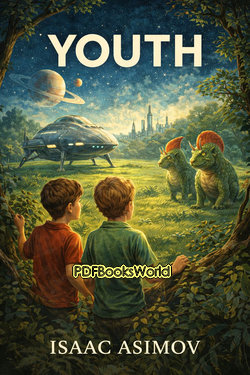
Youth
by Isaac Asimov
A Thought-Provoking Science Fiction Story About Curiosity, Growth, and Understanding the Unknown
Youth by Isaac Asimov is a memorable science fiction short story exploring themes of curiosity, friendship, communication, and the misunderstandings that can arise between different forms of intelligent life. First published in 1952, the story reflects Asimov’s fascination with science, human behavior, and the challenges of understanding unfamiliar perspectives.
The narrative became admired for its emotional subtlety and imaginative approach to alien contact. Through suspenseful storytelling and shifting perspectives, Asimov created an important work in science fiction and speculative storytelling.
About the Author
Isaac Asimov was an American writer and biochemist widely regarded as one of the greatest science fiction authors of the twentieth century. He wrote hundreds of books covering science fiction, popular science, history, and philosophy.
Asimov became famous for combining scientific imagination with thoughtful exploration of ethics, communication, and human society.
Main Themes of the Story
The story focuses on young beings from different species who attempt to understand each other despite fear, misunderstanding, and cultural differences.
Important Themes Discussed
- Curiosity and youthful exploration
- Communication across differences
- Fear of the unknown
- Empathy and understanding
The narrative also explores how assumptions and limited perspectives can lead to conflict and confusion.
The Mystery of Alien Encounter
As the story develops, readers gradually realize that the events are being viewed from an unexpected perspective. What initially appears familiar becomes increasingly strange and surprising.
The emotional impact of the story comes from the contrast between innocence and misunderstanding, revealing how easily intelligent beings can misinterpret one another.
What Makes the Story Unique
- Clever shifting perspective and narrative surprise
- Emotional exploration of first contact
- Blend of science fiction and human psychology
Writing Style
Asimov’s writing style is clear, concise, and imaginative. He presents complex ideas through accessible language while building suspense and emotional depth gradually.
The understated storytelling allows readers to discover the story’s deeper meaning through careful observation and reflection.
Historical Importance
Youth became part of the rich tradition of mid-twentieth-century science fiction and speculative thought. The story reflected growing cultural interest in space exploration, alien life, and communication beyond human experience.
Historical Features
- Exploration of alien contact and misunderstanding
- Influence on later science fiction themes
- Reflection of postwar scientific imagination
The story also demonstrated Asimov’s skill in using science fiction to examine empathy, perception, and human behavior.
Lessons for Modern Readers
Modern readers continue to appreciate the story because its themes of misunderstanding, empathy, and communication remain deeply relevant in diverse societies.
The narrative encourages readers to approach unfamiliar people and ideas with curiosity rather than fear or prejudice.
Conclusion
Youth by Isaac Asimov remains a thoughtful and emotionally engaging science fiction story. Through imaginative storytelling and subtle philosophical insight, Asimov created a timeless exploration of curiosity, misunderstanding, and the importance of empathy in encounters with the unknown.
Similar Genres
About the Author
Isaac Asimov (1920–1992) was an American author, biochemist, and science communicator who became one of the most influential science fiction writers of the twentieth century. Over a career spanning more than five decades, he wrote hundreds of books covering science fiction, popular science, history, and many other subjects. Explore Isaac Asimov books to discover the author's life, literary career, and access notable works.