
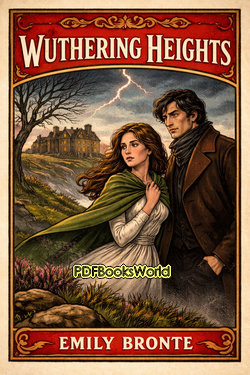
Emily Brontë’s Dark and Unforgettable Gothic Masterpiece
Wuthering Heights is one of the most famous and emotionally intense novels in English literature. Written by Emily Brontë and first published in 1847, the novel combines Gothic atmosphere, psychological conflict, revenge, obsession, and tragic love within the isolated Yorkshire moors of England. Through its powerful characters and haunting storytelling, the novel continues to captivate readers with its exploration of passion, cruelty, and emotional destruction.
A Story of Love, Revenge, and Obsession
The novel follows the turbulent relationship between Heathcliff and Catherine Earnshaw, whose emotional bond shapes the lives of multiple generations. Heathcliff arrives at Wuthering Heights as an orphan brought home by Mr. Earnshaw and grows up facing cruelty, humiliation, and social rejection. Despite their deep connection, Catherine eventually chooses to marry the wealthy Edgar Linton rather than Heathcliff, a decision that triggers years of bitterness and revenge.
After disappearing for several years, Heathcliff returns unexpectedly with wealth and determination, using manipulation and cruelty to destroy those he believes wronged him. His obsessive desire for revenge creates emotional suffering for nearly everyone connected to Wuthering Heights and Thrushcross Grange.
The Powerful Character of Heathcliff
Heathcliff remains one of literature’s most complex and controversial characters. At different moments he appears vulnerable, passionate, violent, and emotionally tormented. Emily Brontë presents him not as a traditional hero or villain, but as a deeply damaged individual consumed by love, anger, and revenge.
His intense relationship with Catherine became one of the defining examples of destructive and obsessive love in literature. Their emotional connection feels powerful and unforgettable, yet it also brings suffering and chaos to the people around them.
Gothic Atmosphere and Emotional Darkness
One reason Wuthering Heights remains so memorable is its haunting Gothic atmosphere. Emily Brontë uses storms, isolated landscapes, supernatural suggestions, and emotional tension to create a world filled with loneliness, mystery, and psychological intensity.
The Yorkshire moors themselves become an important symbol within the novel, reflecting both freedom and emotional wildness. The harsh natural environment mirrors the passionate and destructive emotions experienced by the characters throughout the story.
Themes of Passion, Class, and Human Nature
The novel explores themes including love, revenge, social class, cruelty, isolation, inheritance, and emotional obsession. Emily Brontë also examines how trauma and mistreatment can shape human behavior across generations.
Unlike many romantic novels of its era, Wuthering Heights refuses to present love as purely beautiful or comforting. Instead, Brontë portrays love as something capable of both emotional connection and devastating destruction.
Why Readers Continue To Be Fascinated
Modern readers continue to admire Wuthering Heights because of its emotional intensity and psychological depth. The novel challenges readers with morally complex characters whose emotions feel raw, unpredictable, and deeply human.
Its unconventional storytelling structure, layered narration, and haunting atmosphere also give the novel a unique literary style that continues to inspire discussion and interpretation across generations.
The Lasting Legacy of Wuthering Heights
The influence of Wuthering Heights extends far beyond literature. The novel inspired numerous films, television adaptations, theatre productions, music, and modern reinterpretations that continue to introduce new audiences to Emily Brontë’s work.
Although the novel initially shocked many readers and critics because of its emotional violence and unconventional characters, it is now widely regarded as one of the greatest works of Gothic and Romantic literature ever written.
Final Thoughts
Wuthering Heights remains one of the defining masterpieces of English literature. Through haunting atmosphere, unforgettable characters, and emotionally powerful storytelling, Emily Brontë created a novel that continues to challenge, disturb, and inspire readers around the world.
For readers interested in Gothic fiction, psychological drama, and classic literature filled with emotional intensity and complex relationships, this novel remains an unforgettable reading experience.