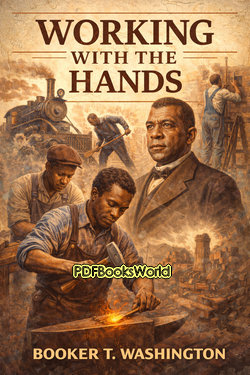
Working With the Hands
by Booker T. Washington
A Practical and Inspirational Reflection on Labor, Education, and Self-Improvement
Working With the Hands by Booker T. Washington is an influential work exploring the value of practical labor, industrial education, discipline, and self-reliance. Drawing upon his experiences as an educator and leader at Tuskegee Institute, Washington argues that skilled work and vocational training can provide economic opportunity, personal dignity, and social advancement.
The book reflects Washington’s educational philosophy during the late nineteenth and early twentieth centuries, a period when debates about education, labor, and racial progress held major importance in American society. Through examples, reflection, and practical discussion, Washington emphasizes the connection between productive work and character development.
The work combines educational guidance with social commentary and personal conviction.
The Importance of Industrial and Practical Education
Washington discusses the role of vocational training in helping individuals develop useful skills, financial independence, and confidence. Agriculture, craftsmanship, construction, and mechanical trades are presented as important foundations for economic progress and community development.
The book also describes the educational methods and values associated with Tuskegee Institute, where students combined academic learning with practical labor. Washington believed that discipline, responsibility, and productive work helped strengthen both individual character and broader social stability.
His arguments reflect a strong belief in education connected directly to practical achievement and economic opportunity.
The Clear and Motivational Style of Booker T. Washington
Booker T. Washington writes in a direct, accessible, and encouraging style emphasizing personal responsibility and perseverance. His language remains practical and instructional while carrying strong moral and social purpose.
The work frequently uses examples from real life to illustrate broader lessons about labor, education, and self-improvement.
Washington’s calm and persuasive tone helped make his educational philosophy highly influential during his lifetime.
Main Themes and Educational Ideas
The book explores themes of vocational education, labor, discipline, economic independence, and social advancement through practical skill. It also reflects Washington’s belief that productive work and education should function together to improve both individual lives and communities.
Through its emphasis on effort and responsibility, the work promotes self-development grounded in practical achievement.
Why the Book Still Holds Importance
Working With the Hands remains historically important because it provides insight into Booker T. Washington’s educational philosophy and the development of vocational education in the United States. Readers interested in educational history and African American history often study the work to understand debates surrounding labor, opportunity, and social progress during the early twentieth century.
The book also reflects broader discussions about the relationship between education and economic advancement.
Its emphasis on discipline and practical skill continues to resonate with many readers.
The Lasting Influence of Booker T. Washington
Booker T. Washington became one of the most influential African American educators and public figures of his era. Through Tuskegee Institute and his writings, he promoted industrial education, economic self-sufficiency, and community development.
His ideas generated both admiration and debate, shaping discussions about race, education, and opportunity in American history.
The continuing study of educational reform and African American leadership helps preserve the significance of his work.
Final Thoughts
Working With the Hands by Booker T. Washington is a practical and historically significant work exploring labor, vocational education, and personal development through discipline and skilled work. Through clear guidance and social reflection, Washington presents a vision of education closely connected to economic independence and community progress.
For readers interested in educational history, social reform, African American leadership, and vocational philosophy, this work remains both informative and influential.
Similar Genres
About the Author
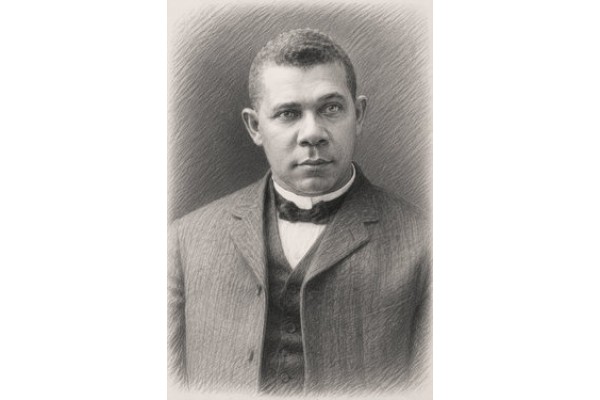
Booker T. Washington was an American educator, author, orator, and reformer whose leadership transformed educational opportunities for African Americans in the decades following the Civil War. Born into slavery in Virginia around 1856, Washington rose through determination and hard work to become one of the most influential figures in American education. Explore Booker T. Washington books to discover the author's life, literary career, and access notable works, including Up from Slavery - An Autobiography , and more.