William Gemmell
William Gemmell was a Scottish missionary, translator, and scholar whose work helped introduce important Chinese religious and philosophical texts to English-speaking readers. Serving for many years in China, Gemmell developed a deep interest in the country's language, literature, and spiritual traditions. His writings and translations reflect a commitment to careful scholarship and cross-cultural understanding, enabling Western audiences to engage with classical Chinese thought through clear and accessible English. His work remains valuable for readers interested in Buddhism, Chinese studies, and the history of translation.
Living and working in China gave Gemmell firsthand experience with its rich intellectual and religious heritage. Rather than viewing ancient texts simply as historical documents, he sought to present them within their cultural and philosophical context. His translations balanced accuracy with readability, making complex ideas more approachable for students, researchers, and general readers alike. Through this work, he contributed to a broader appreciation of Asian religious literature during the early twentieth century.
Bridging Eastern and Western Thought
Gemmell believed that translation was more than converting words from one language into another. It required an understanding of history, philosophy, culture, and religious traditions. His work demonstrated respect for the original texts while helping English-speaking readers appreciate their meaning and significance. This thoughtful approach made his translations useful for both academic study and personal reading.
By presenting classical Chinese writings in clear English, Gemmell helped strengthen cultural exchange between East and West. His efforts encouraged readers to explore ideas that had shaped Asian civilizations for centuries, fostering greater understanding across different intellectual traditions.
A Scholar of Chinese Religious Literature
Much of Gemmell's scholarly work focused on Buddhism and related philosophical traditions. He carefully examined ancient manuscripts, compared existing interpretations, and provided explanatory notes that helped readers understand unfamiliar concepts. His writing avoided unnecessary complexity, allowing those without specialized knowledge to engage with influential religious texts.
His contributions formed part of a wider movement that introduced Eastern philosophy and spirituality to Western audiences, expanding interest in comparative religion and the study of world cultures. His translations continue to serve as useful historical resources for readers interested in the development of Buddhist scholarship.
Presenting a Buddhist Classic
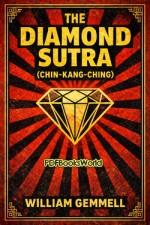
Among Gemmell's most recognized works is The Diamond Sutra (Chin-Kang-Ching) or Prajna-Paramita, an English translation of one of the most important scriptures in Mahayana Buddhism. The work presents teachings on wisdom, compassion, non-attachment, and the nature of reality, helping readers understand the philosophical foundations of Buddhist thought. By combining careful translation with explanatory material, Gemmell made this influential text more accessible to those seeking to explore one of the world's great religious traditions.
An Enduring Contribution to Translation and Religious Studies
William Gemmell is remembered for his dedication to accurate translation and his respect for cultural understanding. His work opened the door for many English-speaking readers to explore classical Chinese Buddhist literature and appreciate its philosophical depth. Although scholarship has continued to evolve, his translations remain important milestones in the history of cross-cultural learning. Through his careful study and clear presentation, Gemmell helped build lasting connections between Eastern and Western intellectual traditions.
Readers visiting PDF Books World can explore the work of William Gemmell and discover an insightful translation that introduces the wisdom of classical Buddhist literature while highlighting the enduring value of thoughtful scholarship and cultural exchange.