
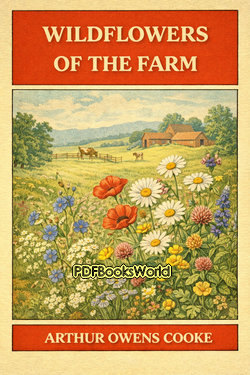
Wildflowers of the Farm
by Arthur Owens Cooke
A Walk Through Fields, Hedgerows, and Country Lanes
Wildflowers of the Farm by Arthur O. Cooke explores the quiet beauty of rural landscapes through the flowers growing naturally among fields, meadows, paths, streams, and farmland. The book combines observation, natural history, and appreciation for the countryside, encouraging readers to notice the small details often overlooked in everyday life.
Rather than treating wildflowers as scientific specimens alone, the work presents them as living parts of the changing farm landscape.
The Beauty Hidden in Ordinary Places
One of the book’s most appealing ideas is that beauty exists everywhere in the countryside, even along roadsides and fences where people may pass without looking carefully.
Cooke draws attention to:
Field blossoms, climbing plants, meadow flowers, streamside growth, woodland edges, and seasonal color spreading quietly across farmland.
The writing encourages readers to slow down and observe the natural world more thoughtfully.
Flowers and Plants Featured in the Book
- Daisies and Buttercups
Familiar meadow flowers associated with open fields and summer landscapes. - Poppies and Cornflowers
Bright blossoms bringing vivid color to farmland and cultivated areas. - Hedgerow Plants
Wild growth appearing beside paths, fences, and country roads. - Seasonal Woodland Flowers
Plants connected to changing weather and rural cycles throughout the year.
Main Themes Throughout the Book
- Appreciation of Nature
The book encourages close observation and enjoyment of ordinary natural beauty. - The Rhythm of the Seasons
Flowering plants reflect the constant cycle of seasonal change. - Connection Between Farming and Nature
Rural landscapes are shown as living environments shaped by both people and natural growth. - Quiet Observation
Careful attention becomes an important part of understanding the countryside.
A Calm and Reflective Writing Style
Cooke writes with patience and descriptive warmth rather than scientific complexity alone.
The language focuses on:
Color, atmosphere, rural scenery, seasonal movement, and the emotional pleasure of observing flowers in their natural setting.
This creates a peaceful reading experience filled with countryside imagery.
The Farm as a Living Environment
Although the title centers on flowers, the book also presents the farm itself as an interconnected natural world.
Readers encounter:
Birdsong, changing weather, insects among blossoms, quiet lanes, hedges, streams, and open fields shaped by both agriculture and nature.
The rural setting becomes as important as the flowers themselves.
Why Nature Writing Continues to Appeal
Books like this remain meaningful because they encourage attentiveness to the natural environment.
Readers continue to enjoy themes involving:
Simplicity, seasonal beauty, rural peace, observation, and the emotional comfort found in landscapes and plant life.
Its quiet atmosphere offers a contrast to hurried modern life.
The Educational Value of the Book
The work also serves as an introduction to countryside plants and natural observation.
Readers are encouraged to notice:
Plant varieties, growing conditions, seasonal appearance, and the relationship between flowers and their environment.
Learning emerges naturally through appreciation rather than formal instruction alone.
Who May Enjoy This Book?
Wildflowers of the Farm may especially appeal to readers interested in:
Nature writing, countryside life, wildflowers, rural landscapes, botanical observation, and peaceful descriptive nonfiction.
Final Thoughts
Wildflowers of the Farm by Arthur O. Cooke celebrates the quiet beauty growing throughout fields, hedgerows, and country paths.
Through careful observation and affectionate description, the book invites readers to rediscover the richness of the natural world hidden within ordinary rural landscapes.
Similar Genres
About the Author
Arthur Owens Cooke was a British botanist, naturalist, and author whose writings encouraged readers to appreciate the rich diversity of Britain's native flora. Active during the early twentieth century, Cooke combined scientific knowledge with an engaging literary style, making botany accessible to both amateur nature lovers and serious students. Explore Arthur Owens Cooke books to discover the author's life, literary career, and access notable works.