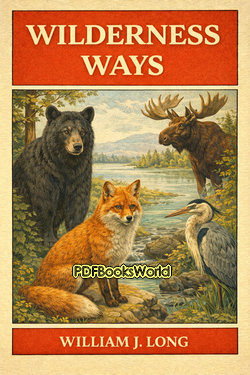
Wilderness Ways
by William J. Long
Into the Silent and Untamed Wilderness
Wilderness Ways by William J. Long is a nature-centered collection that explores the lives, instincts, and behavior of wild animals through patient observation and richly descriptive storytelling. Rather than turning animals into fantasy characters, Long studies them as intelligent living creatures shaped by environment, caution, survival, and instinct.
The book invites readers deep into forests, rivers, snowy landscapes, and remote wilderness regions where animal life unfolds quietly beyond ordinary human attention.
A Different Approach to Nature Writing
Long’s writing stands apart from dramatic hunting stories or heavily fictionalized animal tales. His focus remains on careful observation and respect for the natural habits of wildlife.
The narratives often describe:
Tracking animals through snow, watching hidden movement in forests, listening to distant calls at night, and patiently studying creatures that rarely allow humans near them.
This slow and attentive style creates a strong feeling of realism and immersion.
Wild Creatures Appearing Throughout the Book
- Megaleep the Caribou
A mysterious wanderer whose caution and endurance symbolize the untamed wilderness. - Cloud Wings the Eagle
A powerful bird moving through mountain skies with freedom and precision. - Kagax the Wolverine
Fierce, relentless, and driven by survival instinct. - Other Woodland and River Creatures
Animals observed living according to the rhythms of nature rather than human expectation.
The Main Ideas Running Through the Collection
- Respect for Wild Nature
Animals are portrayed as independent creatures deserving understanding rather than domination. - Observation and Patience
Careful attention becomes essential for understanding wilderness life. - Instinct and Adaptation
Survival depends on intelligence, caution, and deep connection to the environment. - The Mystery of the Natural World
Much of wilderness life remains hidden, unpredictable, and difficult to fully understand.
The Atmosphere of the Wilderness
Nature itself dominates nearly every page of the book.
Readers move through:
Frozen forests, silent lakes, storm-filled skies, remote mountain regions, hidden animal trails, and lonely stretches of wilderness untouched by civilization.
The environment feels vast, beautiful, and sometimes unforgiving.
William J. Long’s Writing Style
Long writes with calm detail and reflective observation rather than constant action or dramatic conflict.
His descriptions emphasize:
Sound, weather, animal movement, changing seasons, and the emotional experience of quietly watching nature.
The result creates a peaceful but deeply immersive reading experience.
Why the Book Continues to Appeal
Modern readers still connect with Wilderness Ways because it encourages a slower and more thoughtful relationship with nature.
The book reflects themes involving:
Environmental awareness, patience, curiosity, solitude, wildlife behavior, and appreciation for the hidden complexity of the natural world.
Its quiet observational tone gives it a timeless quality.
A Book Rooted in Wilderness Experience
Unlike purely scientific manuals, the collection often feels personal and experiential.
The reader senses:
Cold air, distant animal calls, moving shadows in the woods, and the excitement of discovering life hidden within remote landscapes.
This atmosphere makes the wilderness feel vivid and alive.
Who May Enjoy This Book?
Wilderness Ways may especially appeal to readers interested in:
Nature writing, wildlife observation, environmental literature, animal behavior, outdoor adventure, and classic wilderness nonfiction.
Final Thoughts
Wilderness Ways presents the wilderness not as empty scenery, but as a living world filled with intelligence, caution, struggle, and beauty.
Through careful observation and deeply atmospheric storytelling, William J. Long encourages readers to slow down, pay attention, and rediscover the mystery and dignity of wild nature.
Similar Genres
About the Author
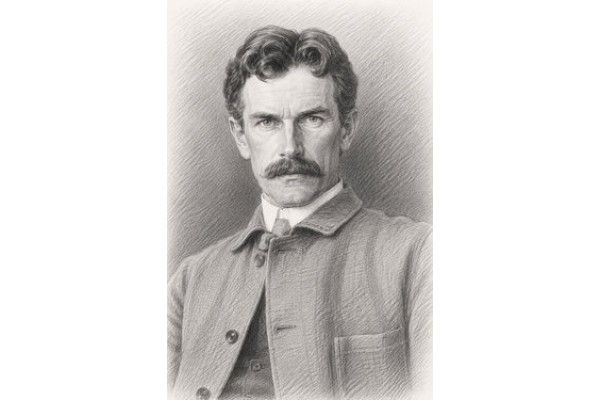
William J. Long was an American naturalist, educator, minister, and author whose engaging writings introduced generations of readers to the wonders of wildlife, literature, and the natural world. Born in Portland, Maine, in 1867, Long became one of the leading popular nature writers of the early twentieth century while also producing widely used works on English literature. Explore William J. Long books to discover the author's life, literary career, and access notable works, including English Literature , and more.